Teach a robot how gently to grip.
Learn a grip that adapts to unfamiliar materials.
Demonstrated in simulation. No real tissue or clinical validation.
Explore the full case study ↗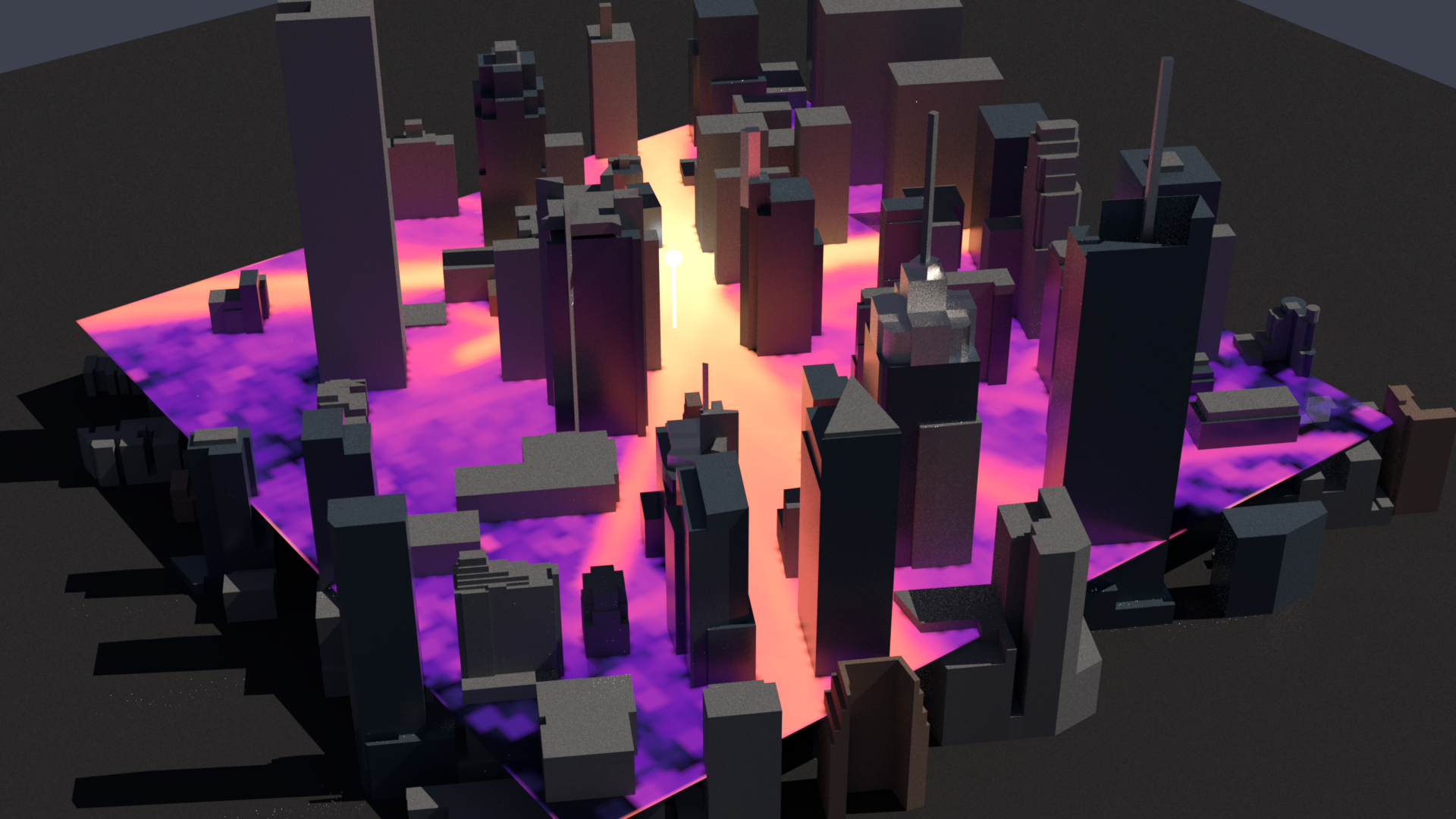
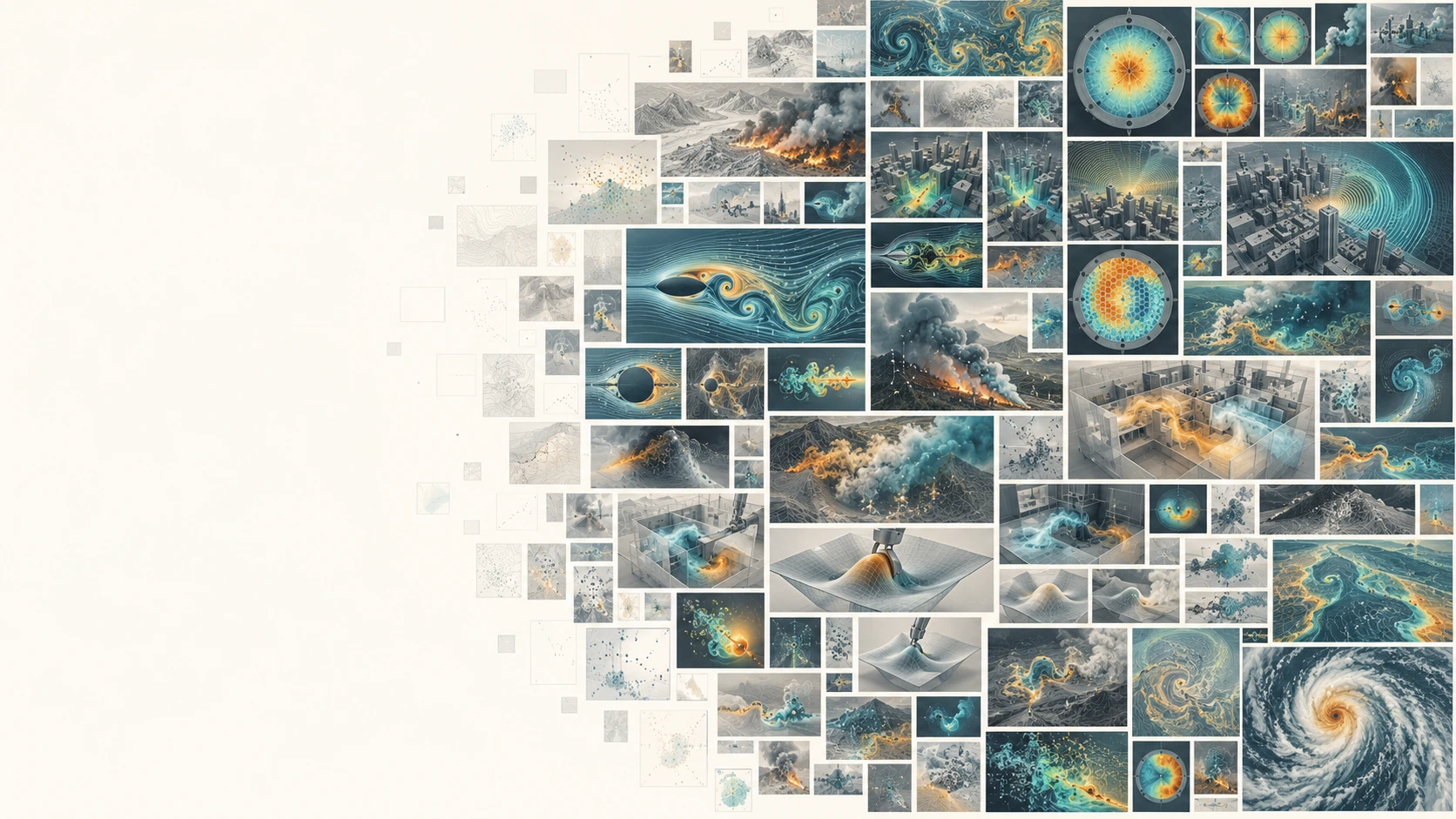
Unlock digital-twin simulations at a scale once reserved for supercomputers and specialist teams, and generate the experiences world models learn from.
Move through a world of conditions.
Loading recorded radio fieldsSimulated experience. Physical intelligence.
Move to exploreChange a condition. See the recorded result.
RAY-TRACED RADIO · TIMES SQUARE
Jammer signal · weaker to stronger
Recorded ray-traced fields. Each cursor position selects the nearest saved jammer configuration.
Laplace simulates how the world responds to changing conditions and actions, generating experience for training world models and testing their decisions.
Configure geometry, materials and physical dynamics using established simulators.
Vary environments, inputs and actions. Run scenarios in parallel to capture how the physical state evolves, including what sensors cannot see.
Generate training data for world models and simulated outcomes for evaluating planners.
Choose a simulation.
Recorded simulation
Compare a fixed grip with the learned controller on the same virtual tissue.
Recorded outputs, replayed in your browser. No new simulation is running.
Train a gripper on different virtual tissues, then test it on unfamiliar materials.
Edited demonstration briefThe result
Learn a grip that adapts to unfamiliar materials.
Demonstrated in simulation. No real tissue or clinical validation.
Explore the full case study ↗Recorded simulation
Compare the shortest route with a route chosen using predicted radio coverage.
Recorded outputs, replayed in your browser. No new simulation is running.
Simulate how buildings block radio signals, then compare routes through the city.
Edited demonstration briefThe result
Use predicted coverage to guide route planning.
Demonstrated in a simulated city. No real flight validation.
Explore the full case study ↗Recorded simulation
Move through the recorded fire. Switch between heat and visibility.
Recorded outputs, replayed in your browser. No new simulation is running.
Vary fires in a virtual office and train a model to estimate hazards beyond nearby sensors.
Edited demonstration briefThe result
Predict heat and smoke beyond the next room.
A simulated planning comparison, with tradeoffs in rescue coverage.
Explore the full case study ↗Recorded simulation
Move through the recorded fire. Compare the physics model with the learned forecast.
Recorded outputs, replayed in your browser. No new simulation is running.
Generate fires under different conditions and train a model to forecast their spread.
Edited demonstration briefThe result
Test fire forecasts against changing winds and terrain.
Synthetic fires on real terrain. Operational validation is still needed.
Explore the full case study ↗Recorded simulation
Reveal the plume and its true source behind the sensor readings.
Recorded outputs, replayed in your browser. No new simulation is running.
Simulate leaks and changing winds, then test whether sparse sensors can locate the source.
Edited demonstration briefThe result
Test source estimates against the known simulated leak.
The featured case exposes a localization failure.
Explore the full case study ↗Recorded simulation
Watch the internal temperature change as the reactor develops a fault.
Recorded outputs, replayed in your browser. No new simulation is running.
Vary reactor faults and pair wall-sensor readings with the hidden conditions inside.
Edited demonstration briefThe result
Create training data for future warning and control models.
Data generation demonstrated. Learned sensing and control remain pending.
Explore the full case study ↗Recorded simulation
Choose a recorded wind condition. Compare the model's prediction with the power computed by the physics solver.
Recorded outputs, replayed in your browser. No new simulation is running.
Simulate a wind farm under changing wind and turbine settings. Train a model to predict power, use it to choose how the turbines should turn, then check those choices in the physics solver.
Edited demonstration briefThe result
Test model-selected turbine settings against the physics.
Some settings improve simulated output; others reduce it. No operating-farm control validation.
Explore the full case study ↗Recorded simulation
Compare recorded drone and bird signals, and follow the classifier's changing assessment.
Recorded outputs, replayed in your browser. No new simulation is running.
Simulate radar echoes from drones and birds as their blades and wings move. Train a model to distinguish them, then test its predictions on separate synthetic examples with noise and clutter.
Edited demonstration briefThe result
Train radar perception from simulated signals.
Synthetic tests only. Simplified bird motion makes recognition easier; no real-target validation.
Explore the full case study ↗Teach a robot how gently to grip.
Learn a grip that adapts to unfamiliar materials.
Demonstrated in simulation. No real tissue or clinical validation.
Explore the full case study ↗Find flight paths with fewer signal gaps.
Use predicted coverage to guide route planning.
Demonstrated in a simulated city. No real flight validation.
Explore the full case study ↗Test a rescue planner against changing fires.
Predict heat and smoke beyond the next room.
A simulated planning comparison, with tradeoffs in rescue coverage.
Explore the full case study ↗Forecast where a fire could spread next.
Test fire forecasts against changing winds and terrain.
Synthetic fires on real terrain. Operational validation is still needed.
Explore the full case study ↗Trace a leak from sparse sensor readings.
Test source estimates against the known simulated leak.
The featured case exposes a localization failure.
Explore the full case study ↗Generate data for early warning systems.
Create training data for future warning and control models.
Data generation demonstrated. Learned sensing and control remain pending.
Explore the full case study ↗Help turbines share the wind.
Test model-selected turbine settings against the physics.
Some settings improve simulated output; others reduce it. No operating-farm control validation.
Explore the full case study ↗Teach radar to distinguish a drone from a bird.
Train radar perception from simulated signals.
Synthetic tests only. Simplified bird motion makes recognition easier; no real-target validation.
Explore the full case study ↗Vary the conditions. Generate training data. Test on unseen cases.
Give a controller varied materials to learn from, then challenge it with unfamiliar ones.
Change how fires start and spread. Keep the hazard fields that real sensors cannot fully observe.
Pair sensor readings with the state inside a virtual reactor.
Research Hub
From a difficult question to a simulated world, a comparison and a result worth questioning.
Robotics · touch and control
Simulate robotic fingers before fabrication. Compare skins, touch sensors and controllers across manipulation tasks.
Explore the simulation ↗Energy · connected-system resilience
Simulate cyber disruption and physical failures at a fictional energy company. Compare how defensive responses affect electricity delivery and business operations.
Explore the simulation ↗Energy · finding the cause of a fault
Create hidden reactor faults with similar readings, then test whether an intervention, a longer wait or another measurement reveals the cause.
Explore the simulation ↗Energy · testing diagnostic reliability
Stress-test reactor diagnosis across concurrent faults, uncertain plant conditions and different physical models.
Explore the simulation ↗Research Hub
Chemistry, materials, weather and more. The complete Research Hub, with every original figure, film and result.
Early access to Laplace
Join early access and tell us about the physical system, scenario or research question you want to explore.
From a physical question to simulations you can inspect. Explore the demonstrated capabilities ↗
You’re on the list
Thanks for sharing yours. We’ll contact you about early access as places become available.
Keep exploring the studies ↗