Explore the possibilities
Robotic finger design simulation
Simulate robotic fingers before fabrication. Compare skins, touch sensors and controllers across manipulation tasks.
Explore the simulation ↗Research Hub
Compare experiments, inspect recorded results and open the original methods and artifacts.
Explore the capabilities below.
Explore the possibilities
Simulate robotic fingers before fabrication. Compare skins, touch sensors and controllers across manipulation tasks.
Explore the simulation ↗Vary the conditions
Simulate cyber disruption and physical failures at a fictional energy company. Compare how defensive responses affect electricity delivery and business operations.
Explore the simulation ↗Create observations
Create hidden reactor faults with similar readings, then test whether an intervention, a longer wait or another measurement reveals the cause.
Explore the simulation ↗Vary the conditions
Stress-test reactor diagnosis across concurrent faults, uncertain plant conditions and different physical models.
Explore the simulation ↗Create observations
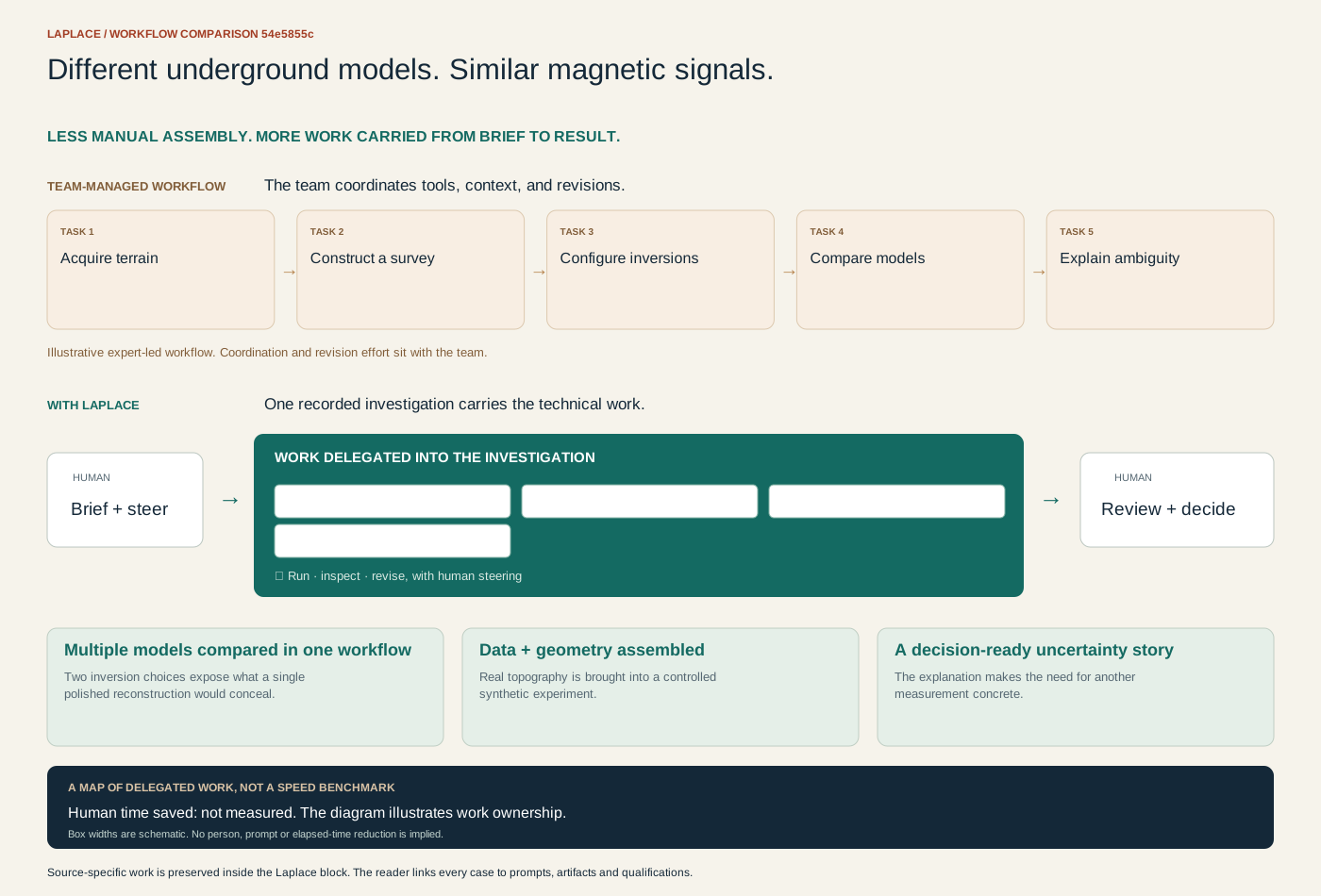
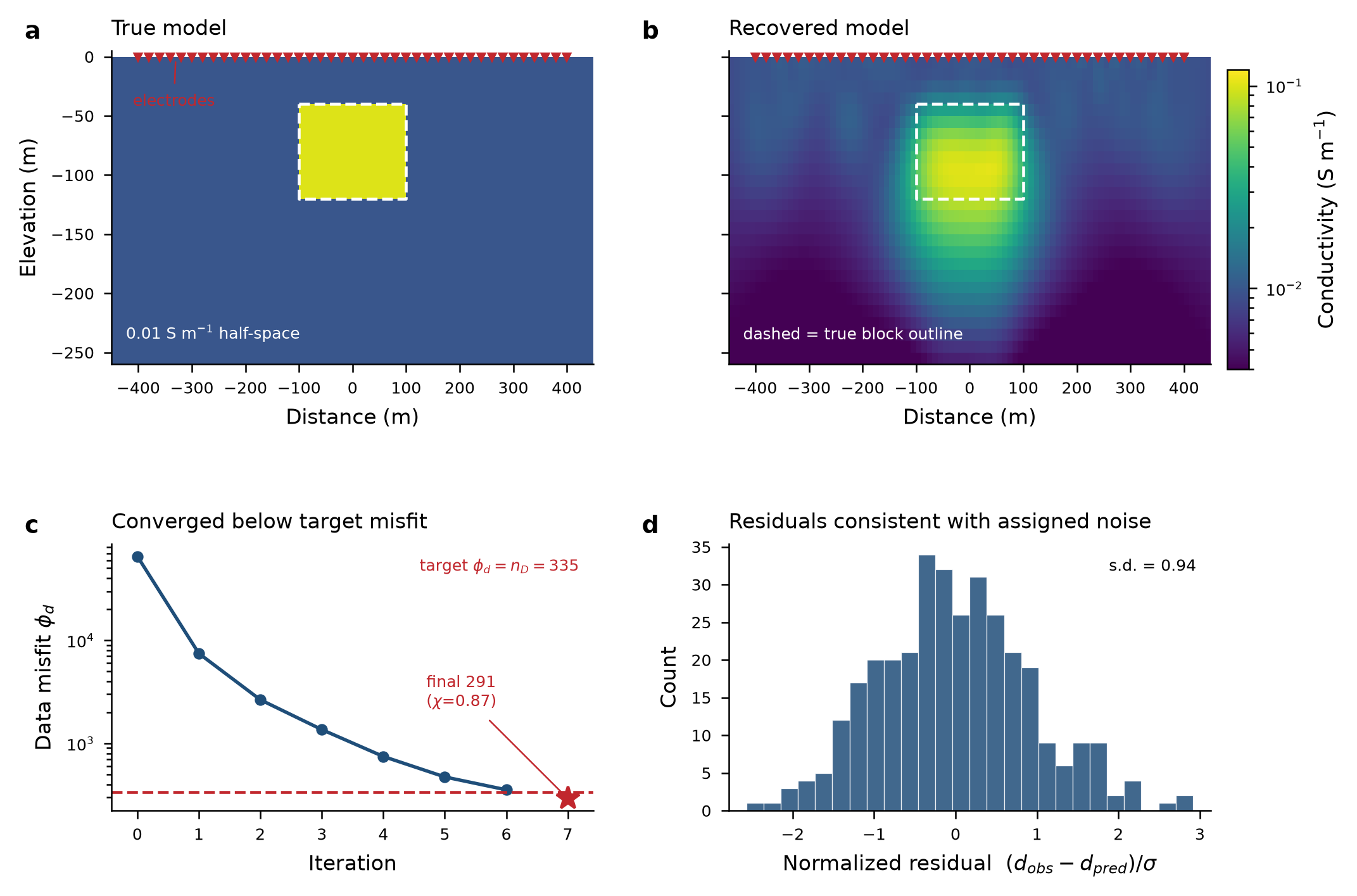
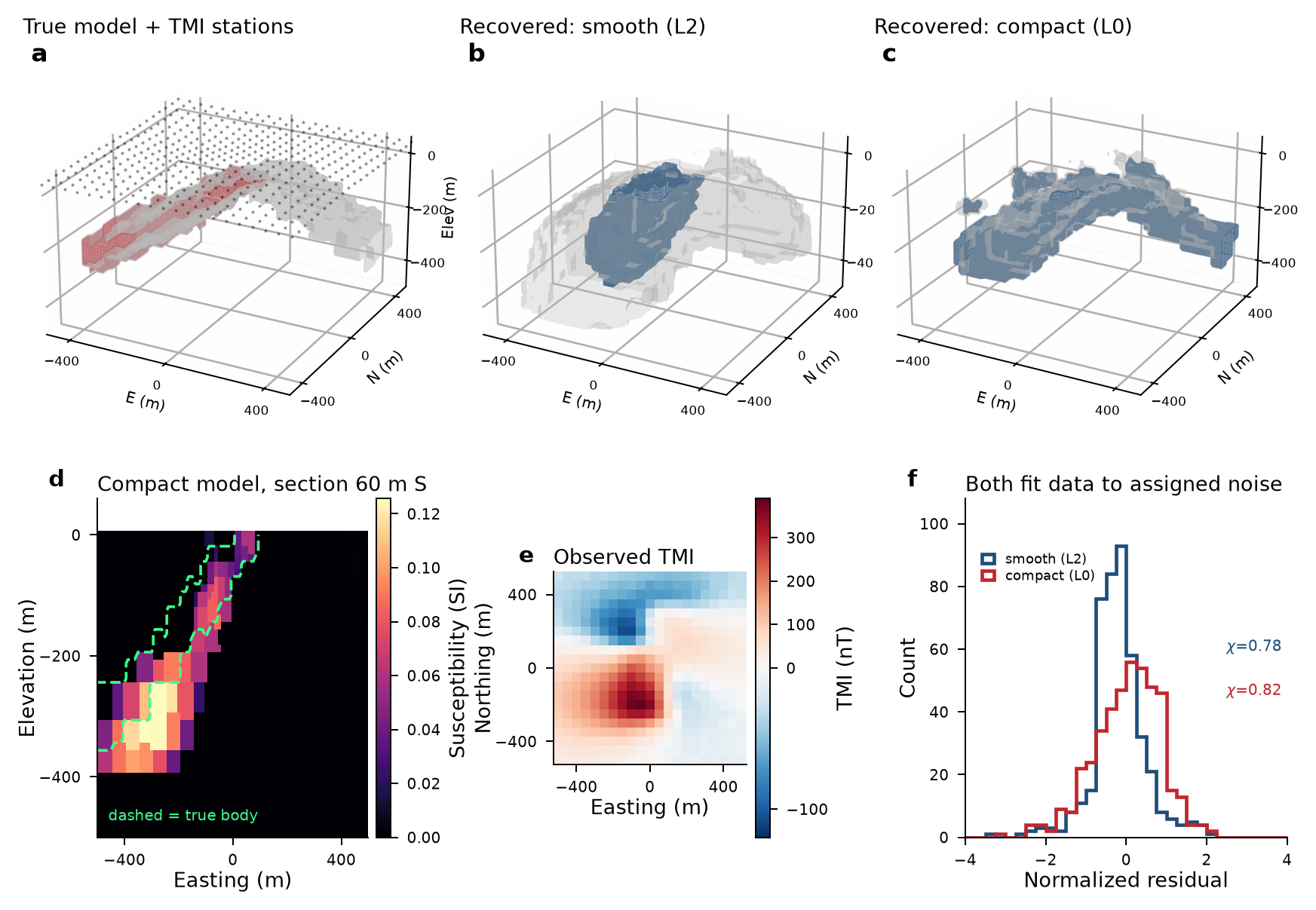
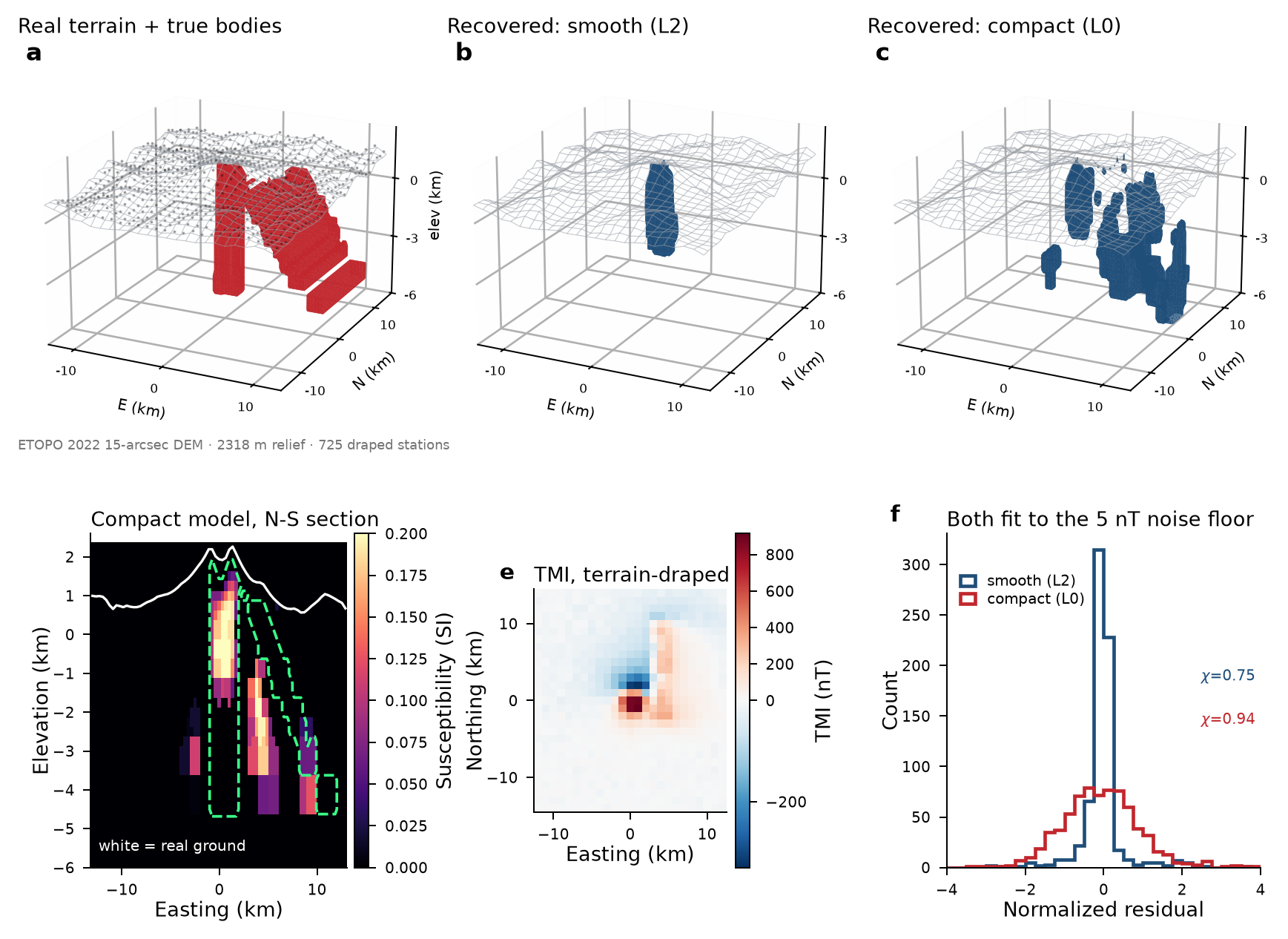
Smooth and compact inversions fit the signal but place magnetic susceptibility differently, leaving the underground structure unresolved.
Explore the simulation ↗Vary the conditions
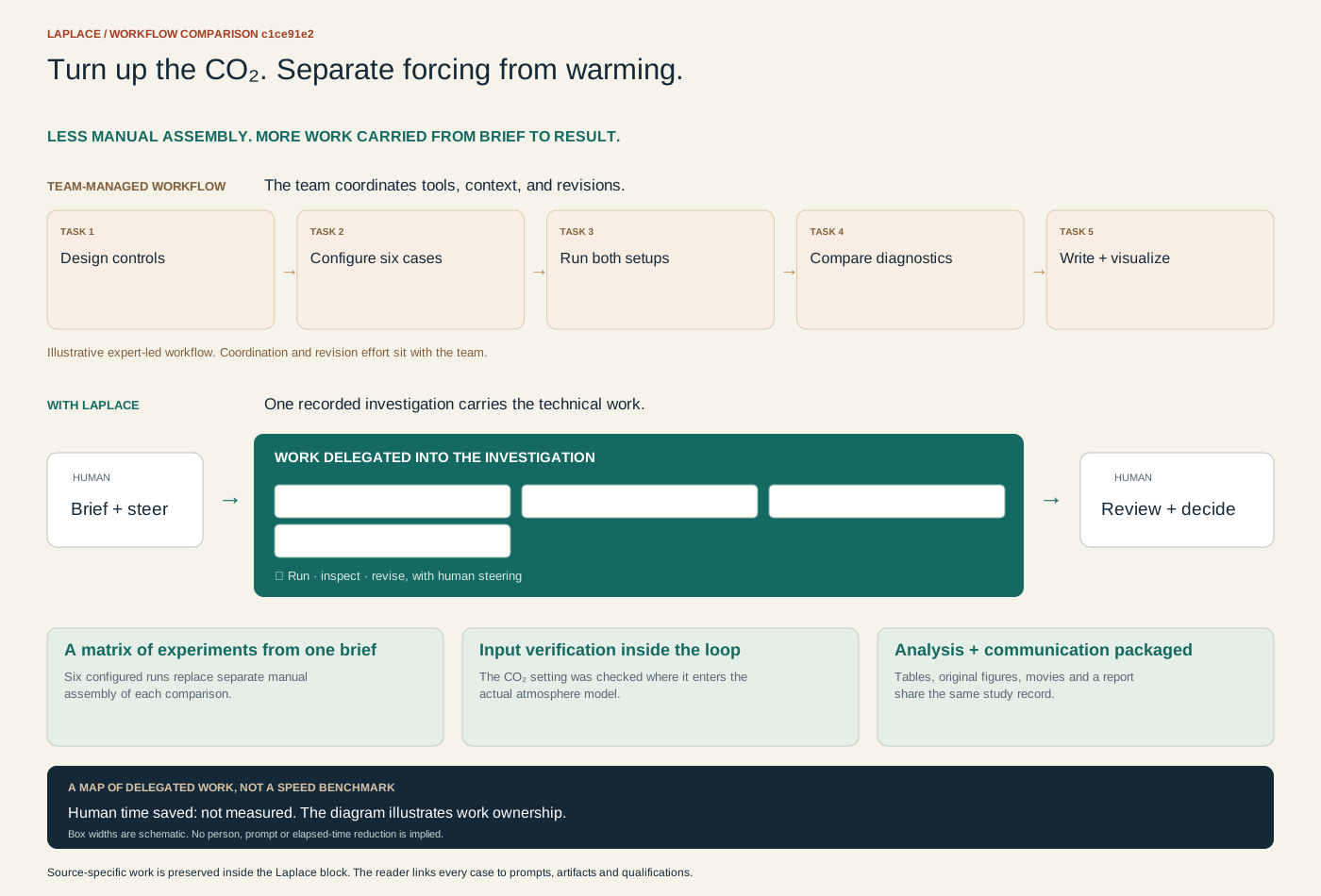
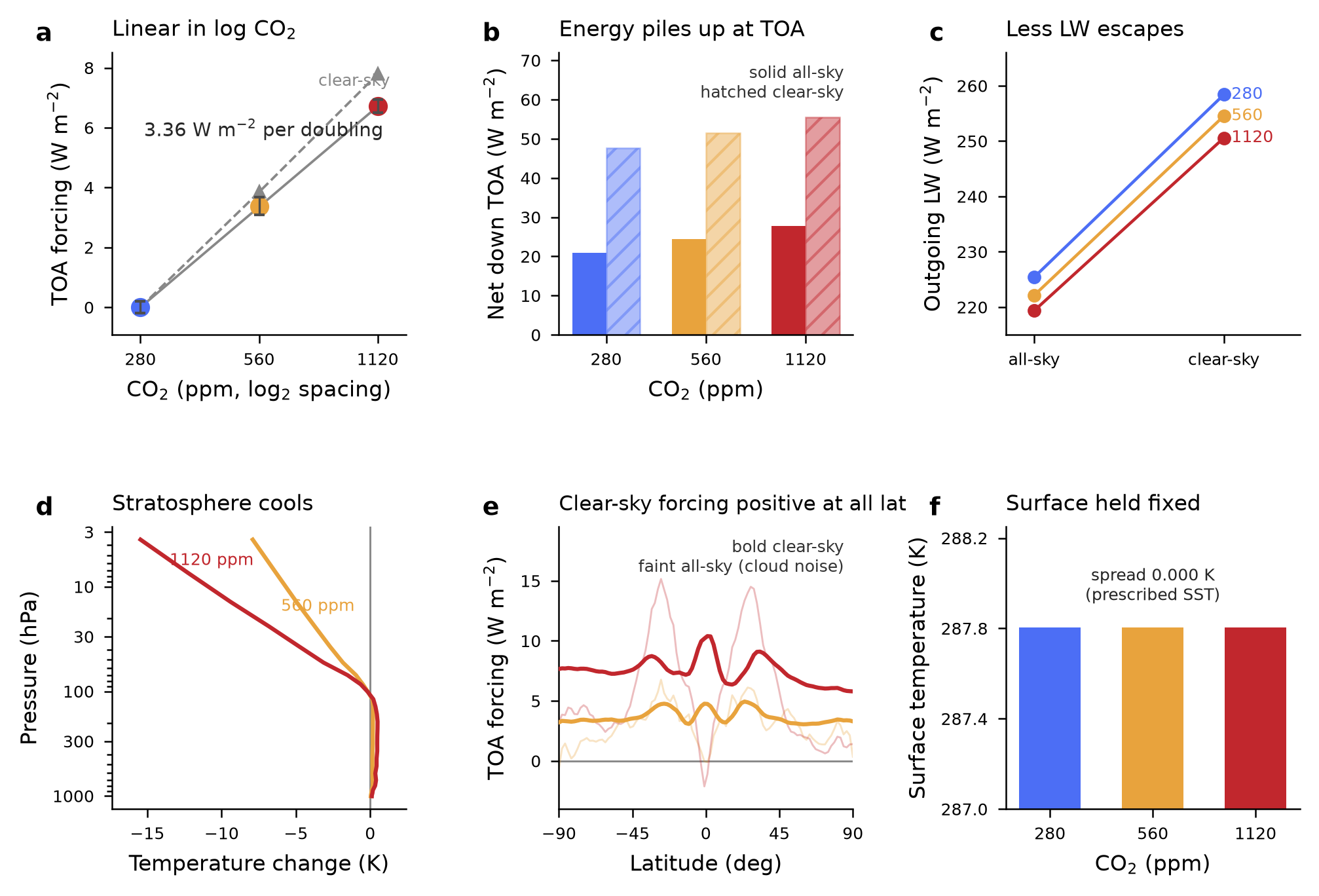
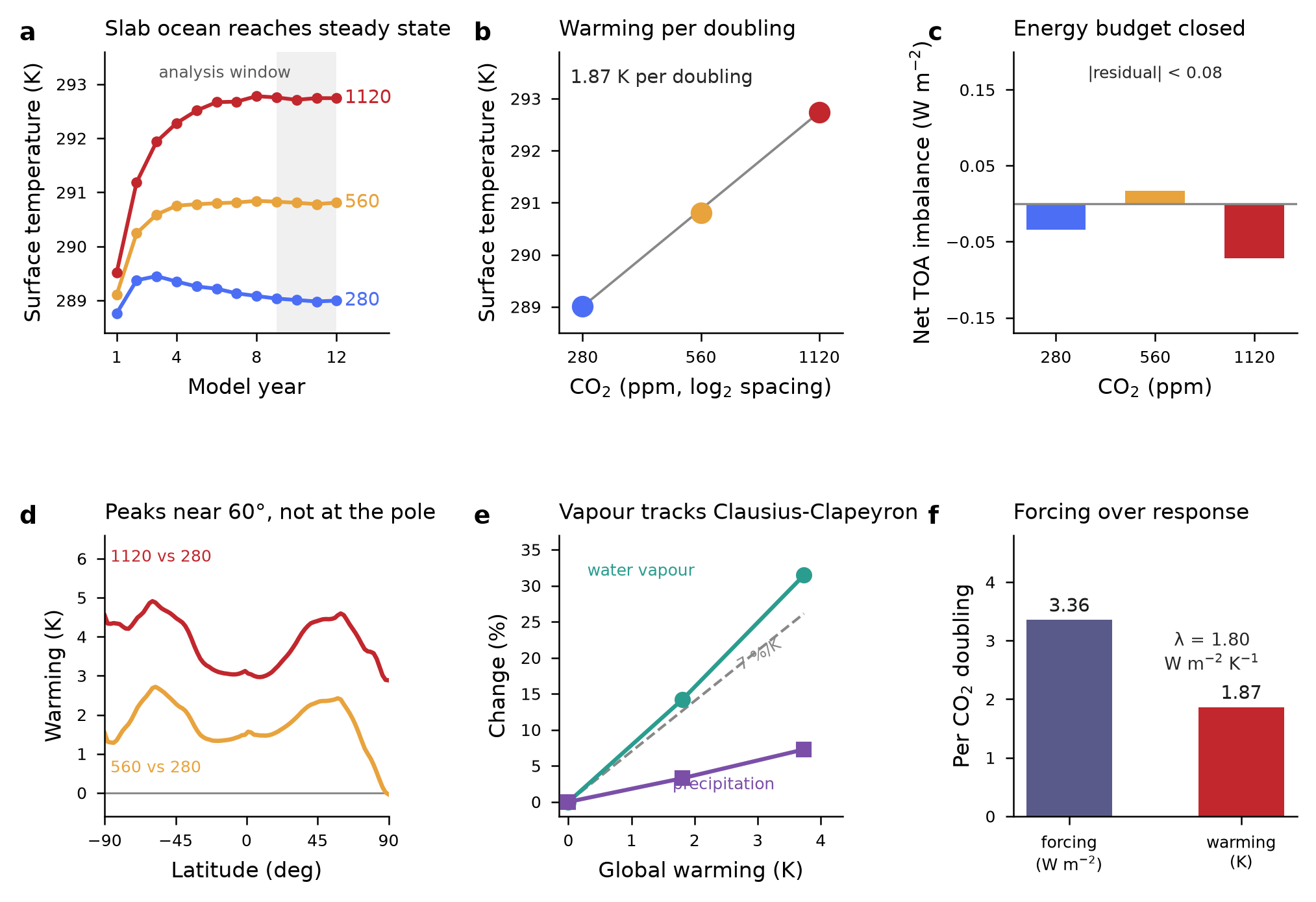
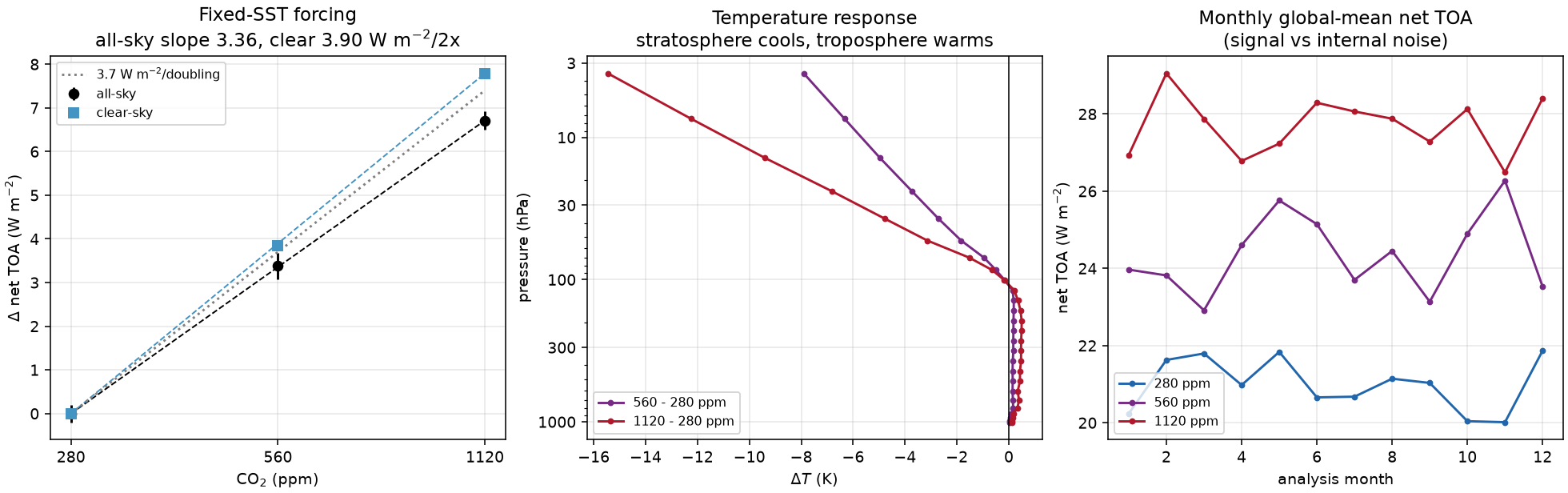
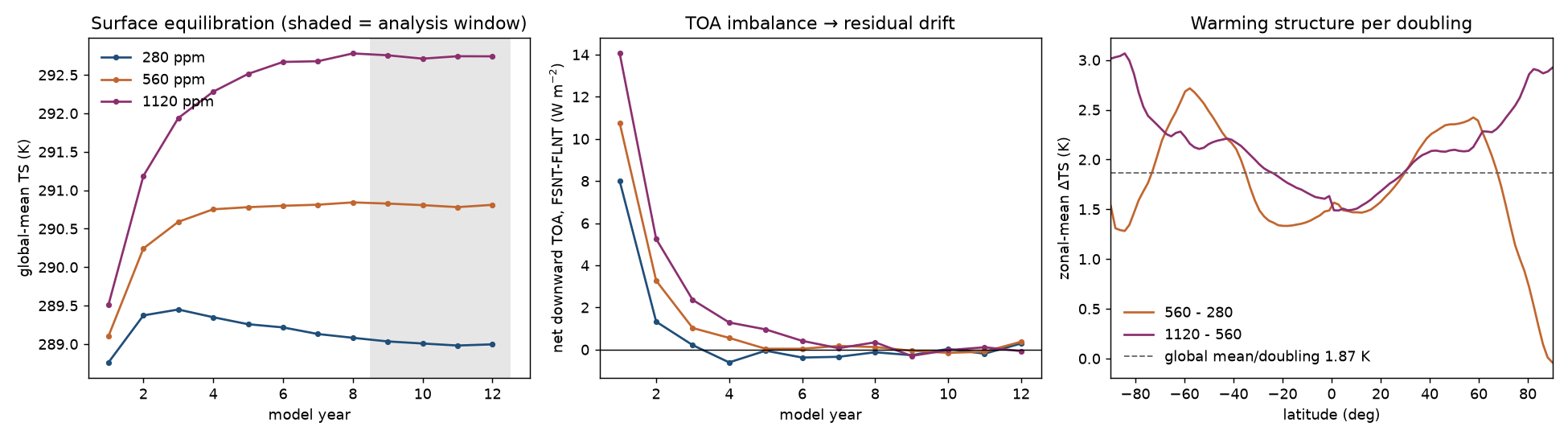
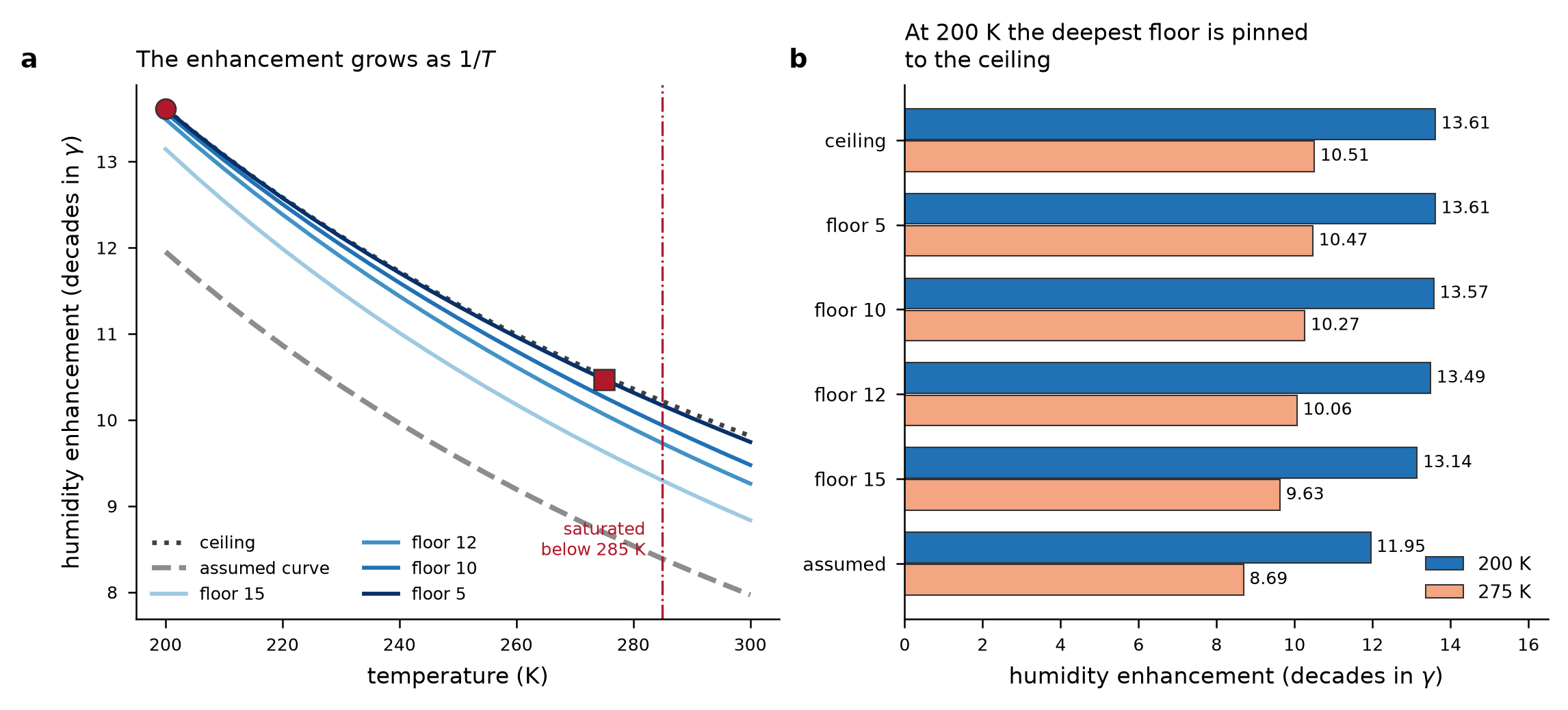
Comparing carbon-dioxide changes with fixed and warming oceans separates the energy and temperature responses within an idealized model.
Explore the simulation ↗Vary the conditions
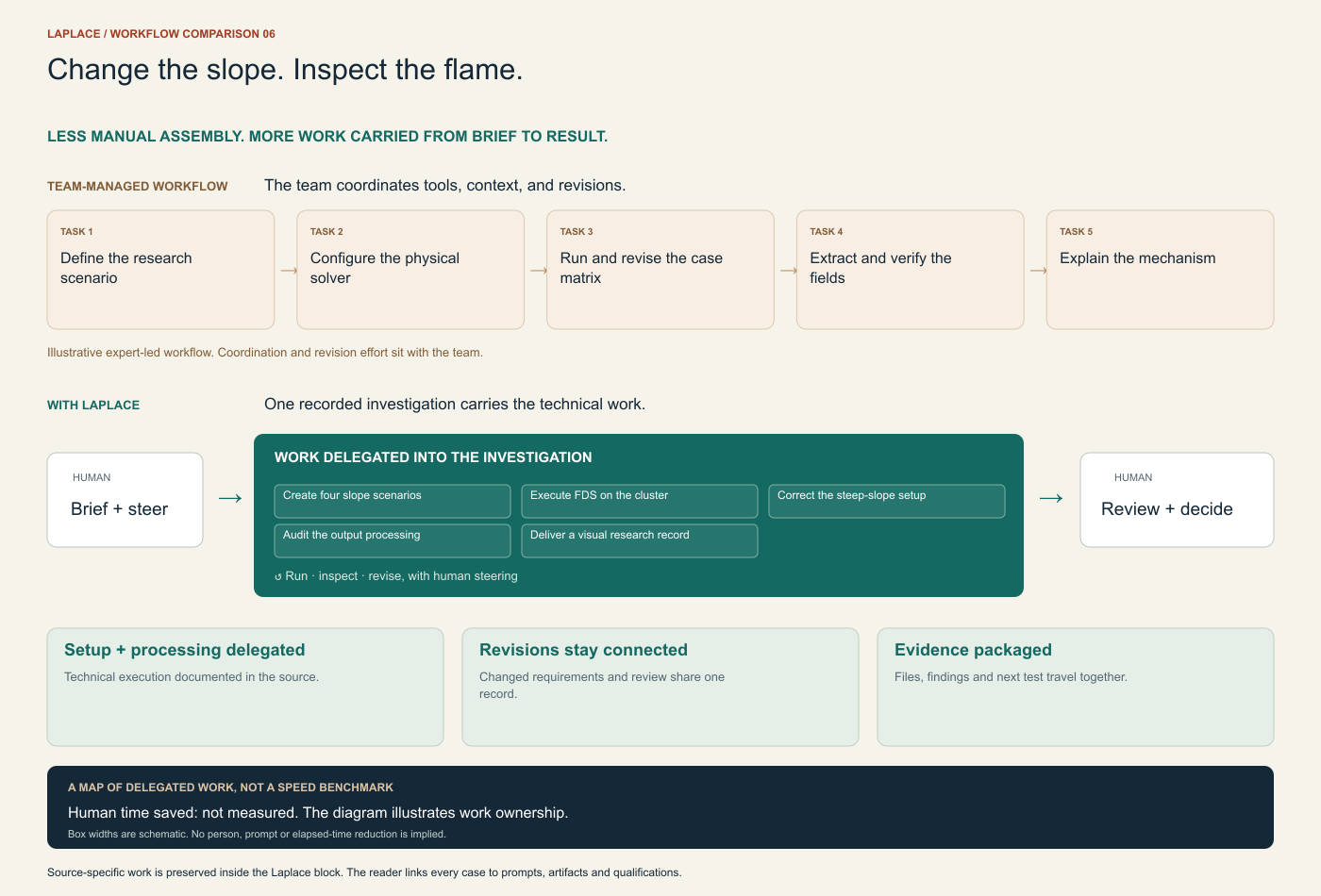
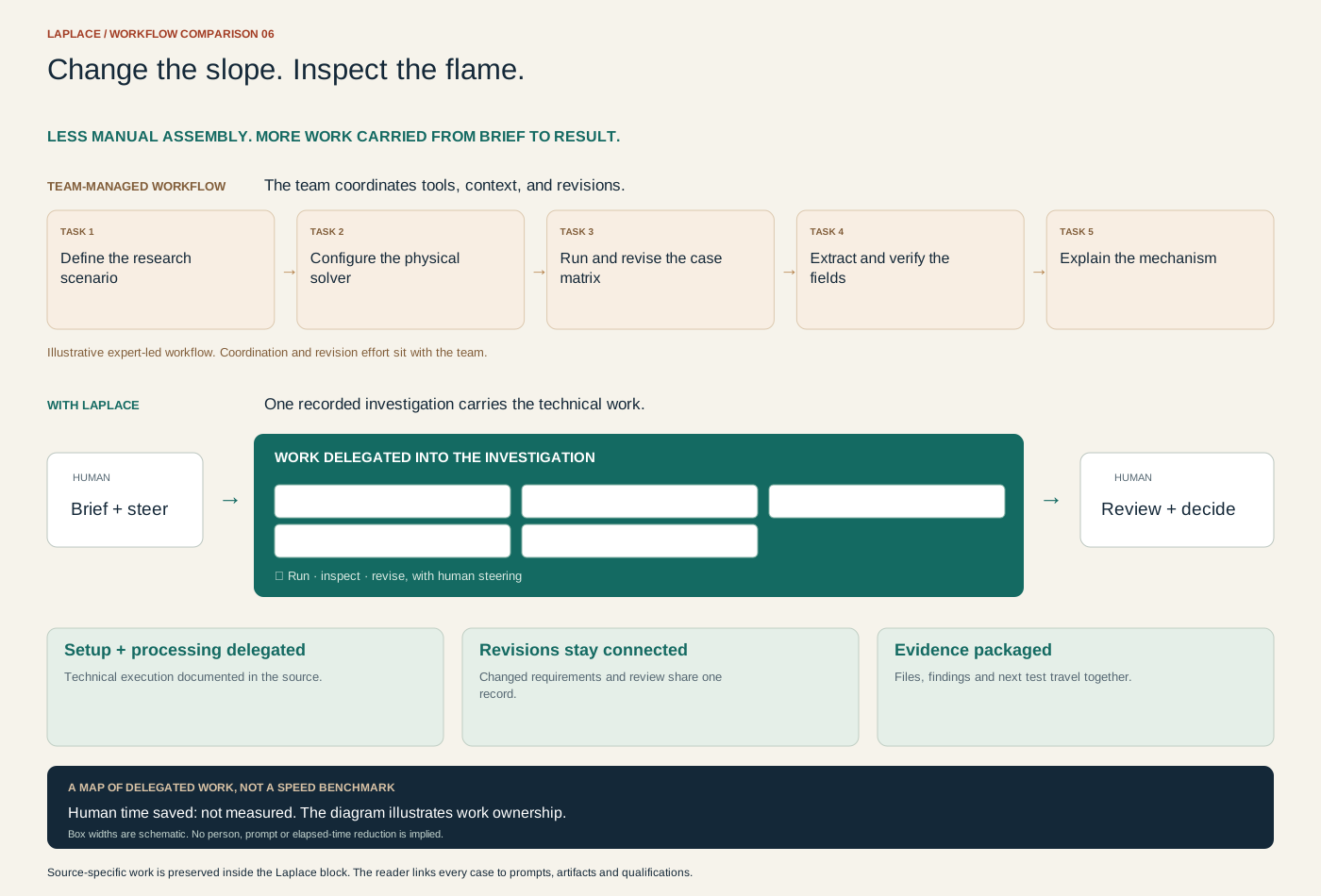
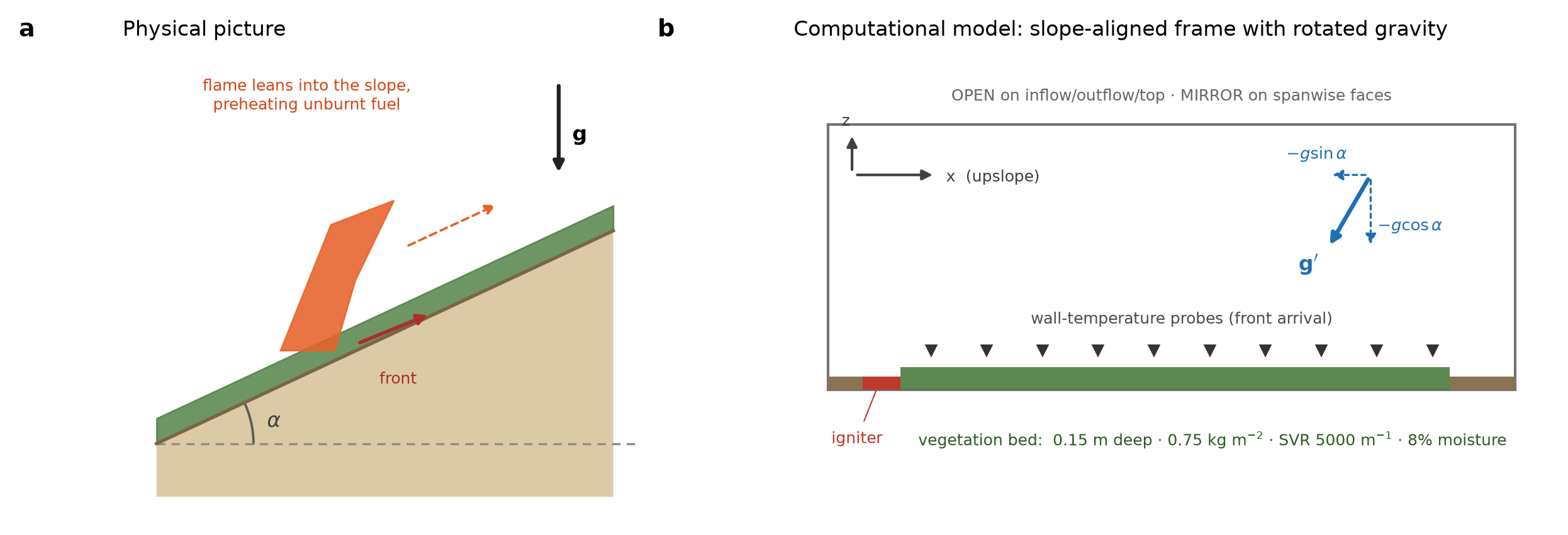
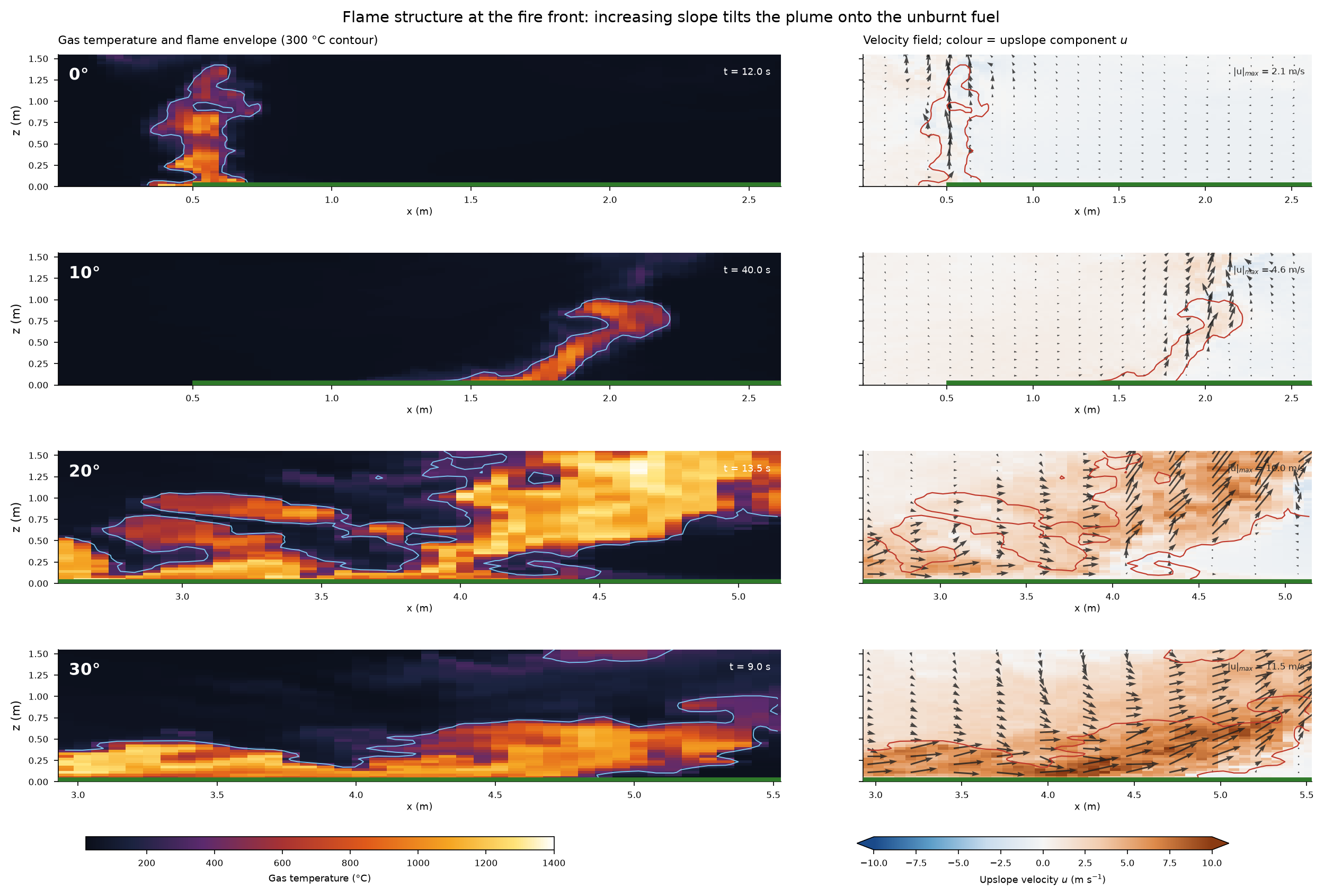
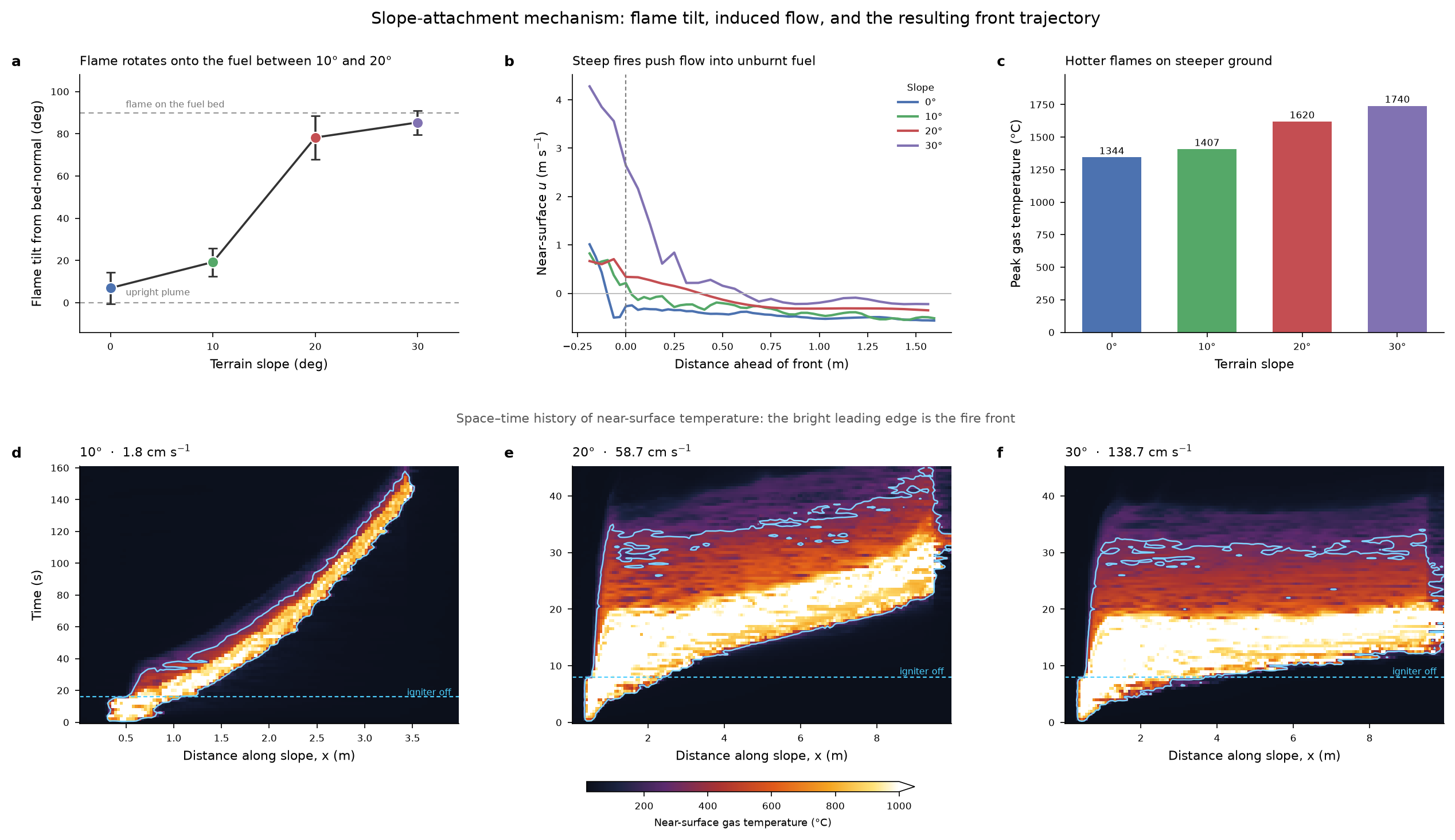
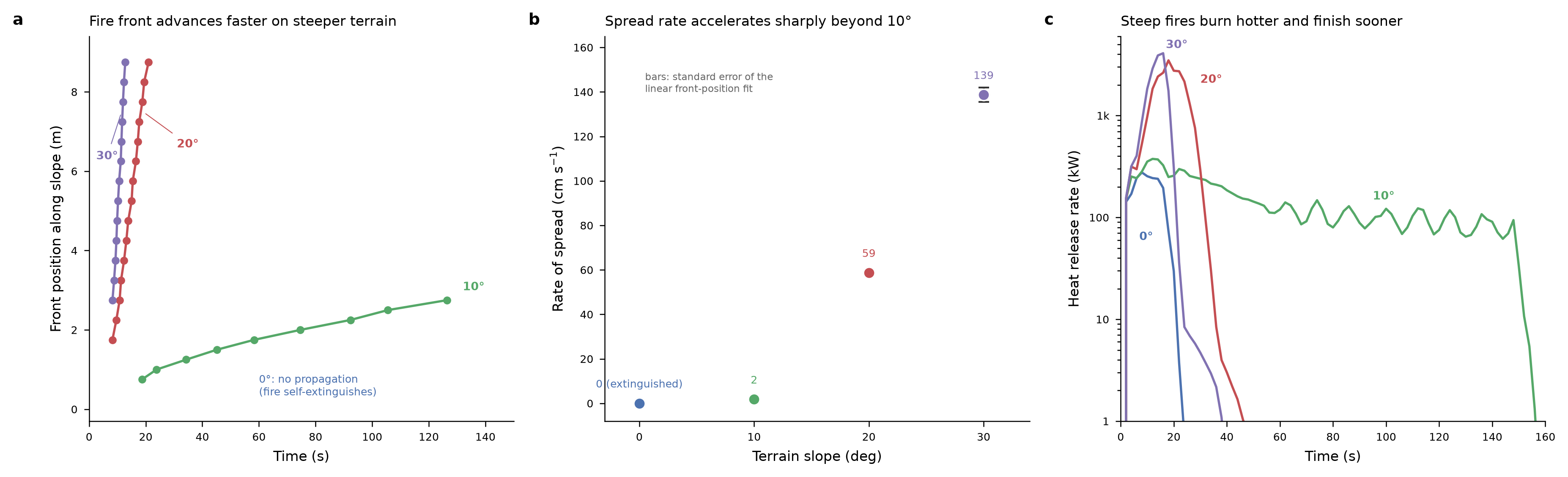
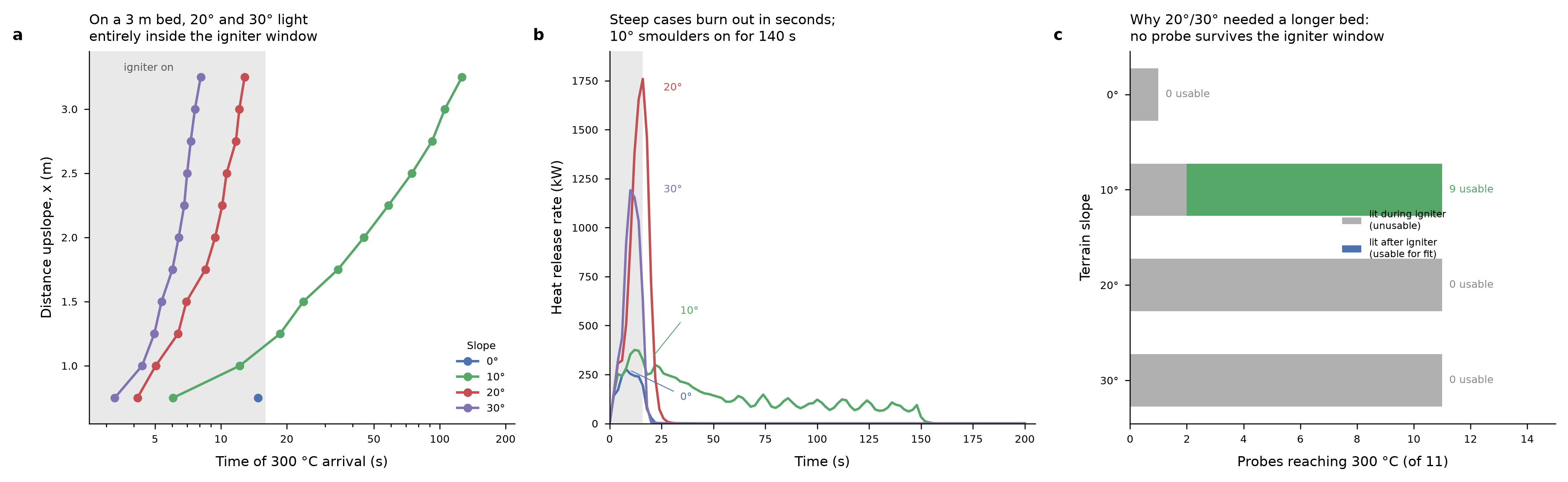
Saved temperature and flow fields reveal a change in flame shape, while fuel-bed and ignition changes prevent a slope-only conclusion.
Explore the simulation ↗Carry the computation
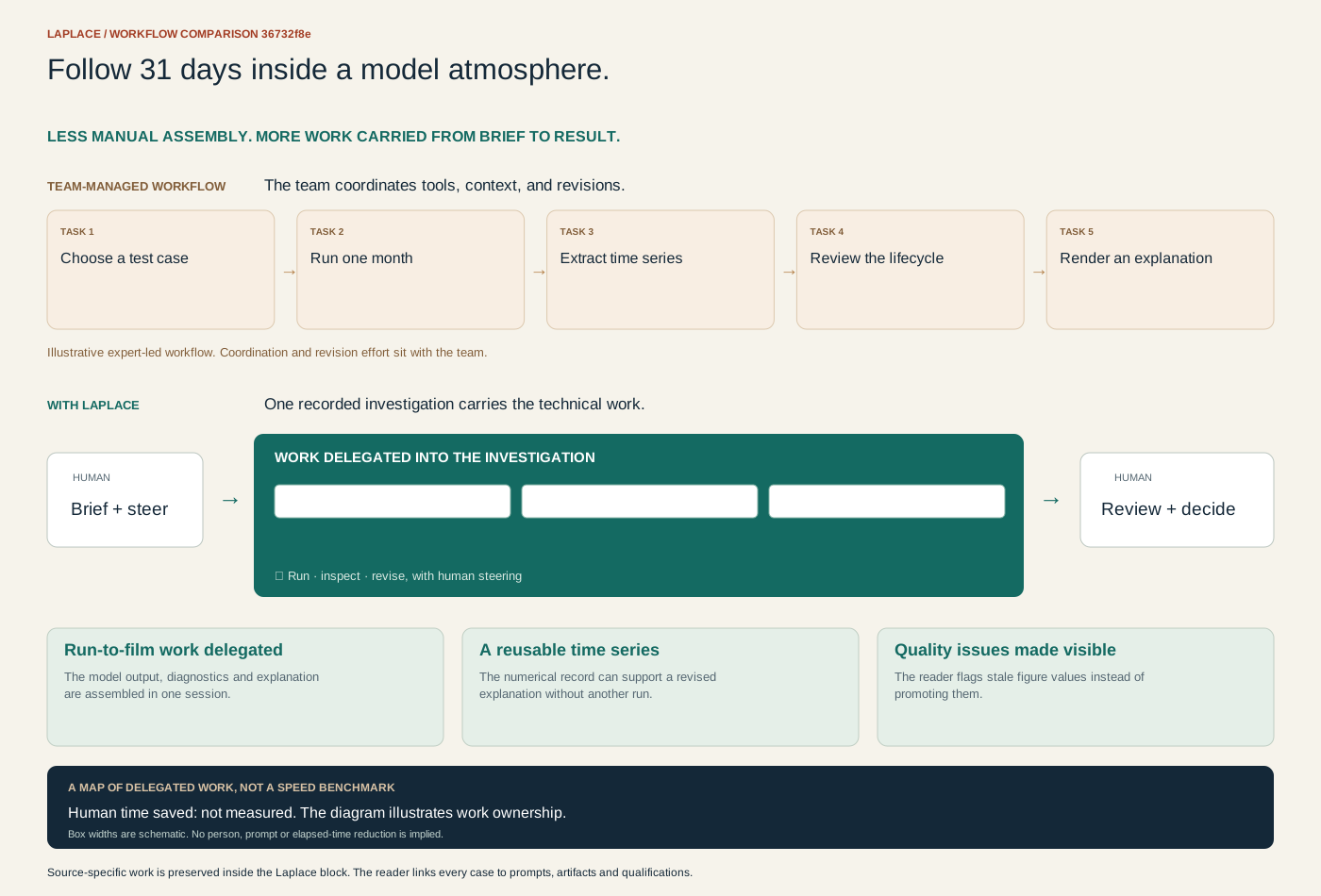
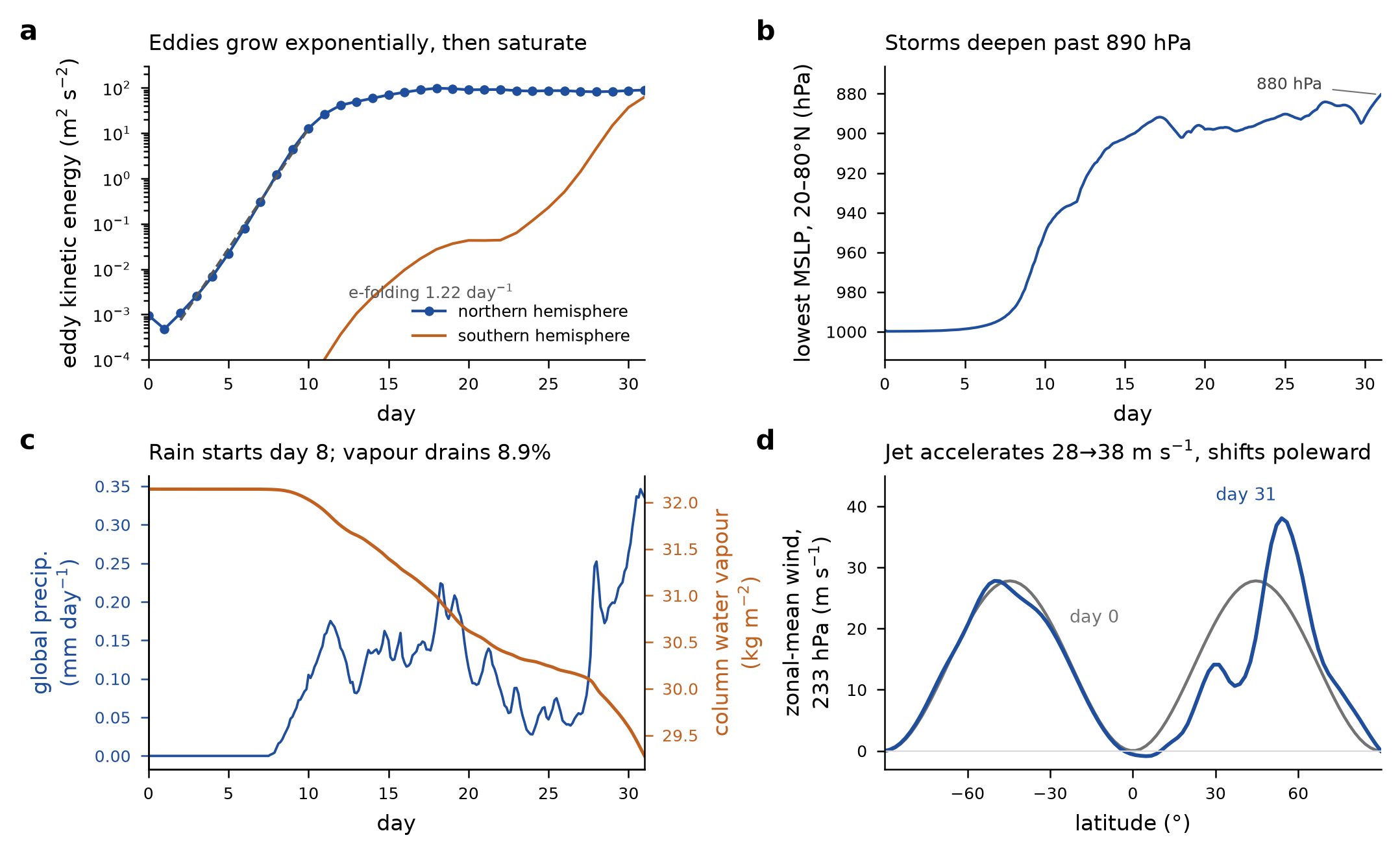
Saved time series and jet diagnostics preserve the atmospheric evolution for checks beyond the finished film.
Explore the simulation ↗Explore the possibilities
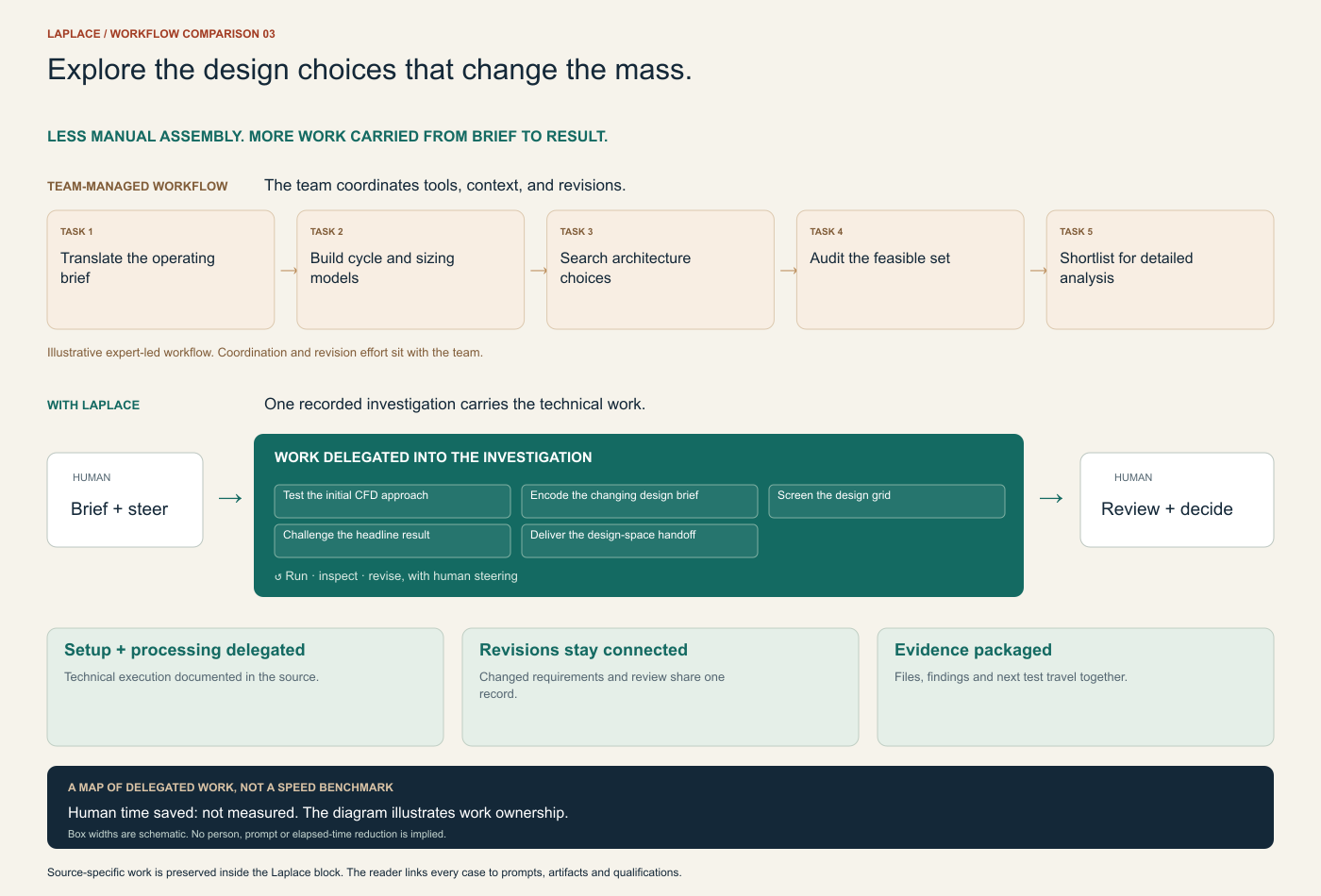
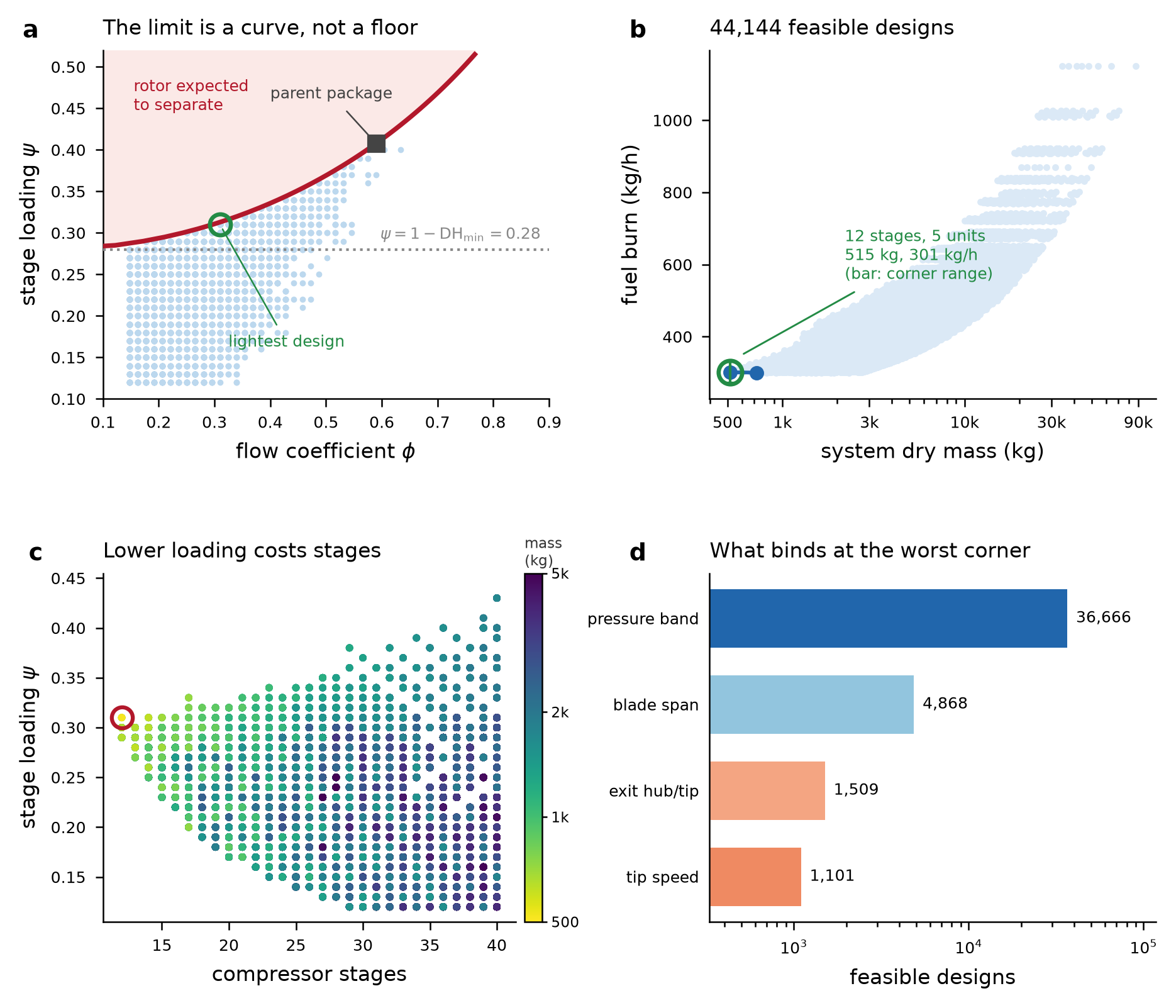
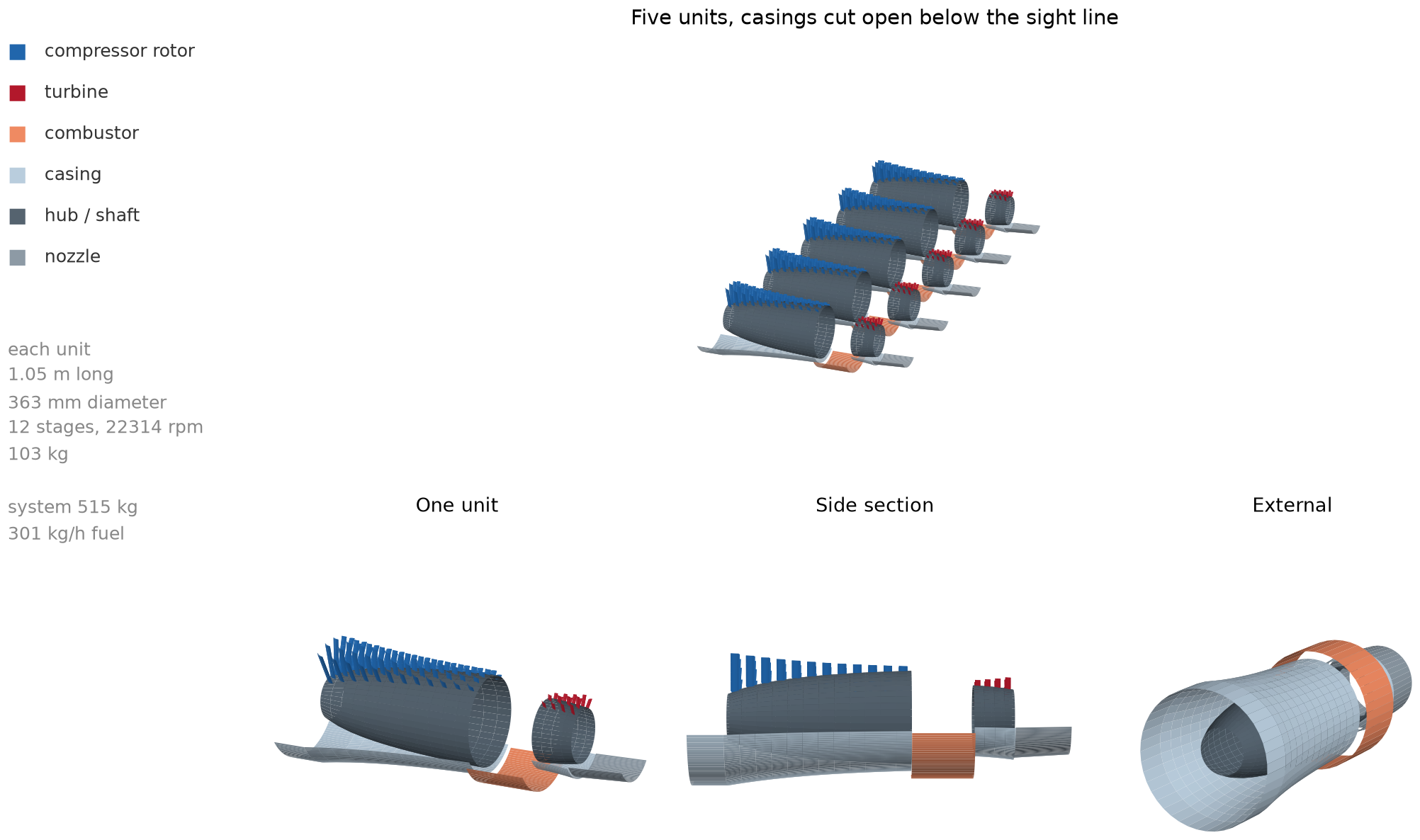
Allowing stage loading to vary produces a lower minimum mass proxy within the reduced model.
Explore the simulation ↗Carry the computation
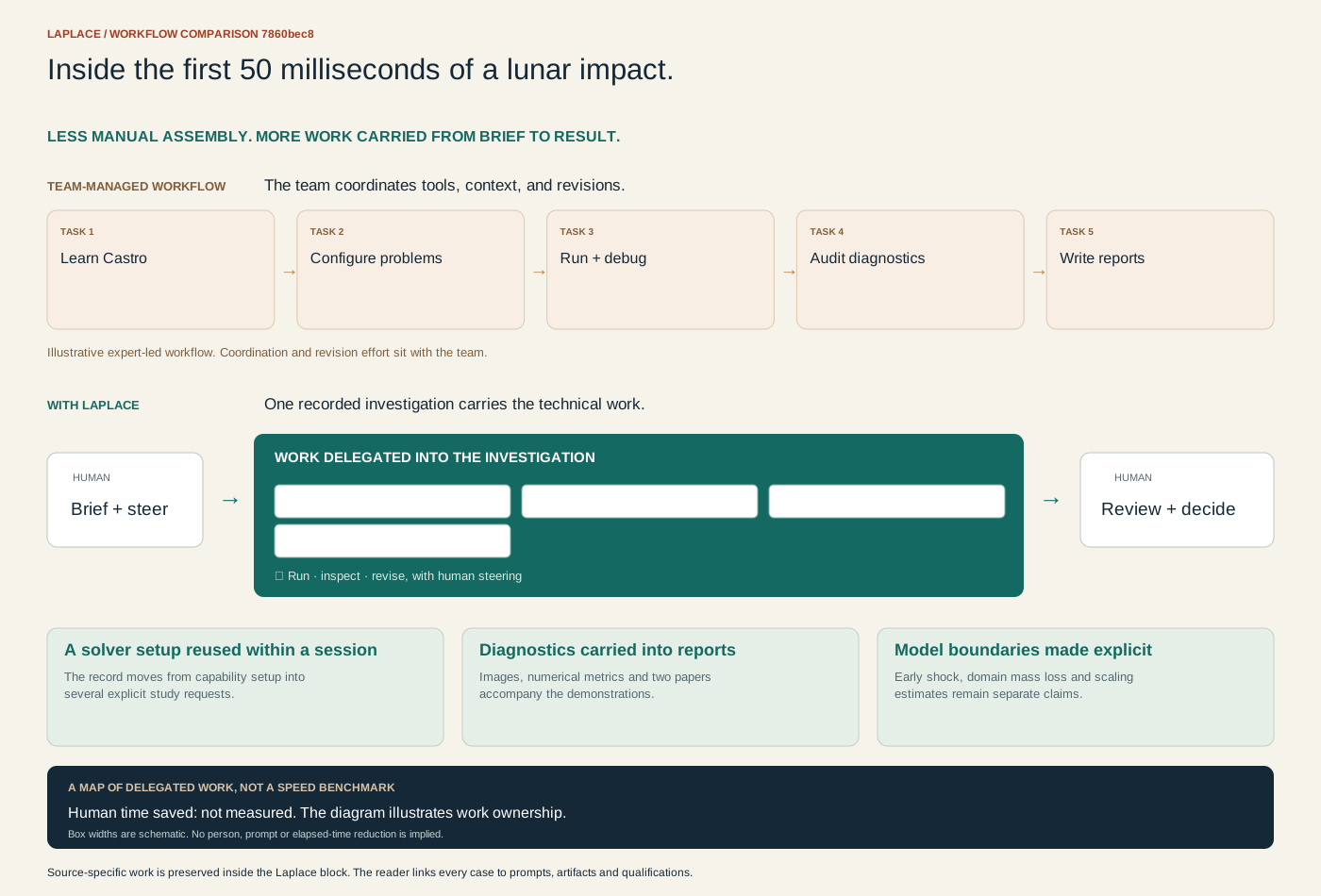
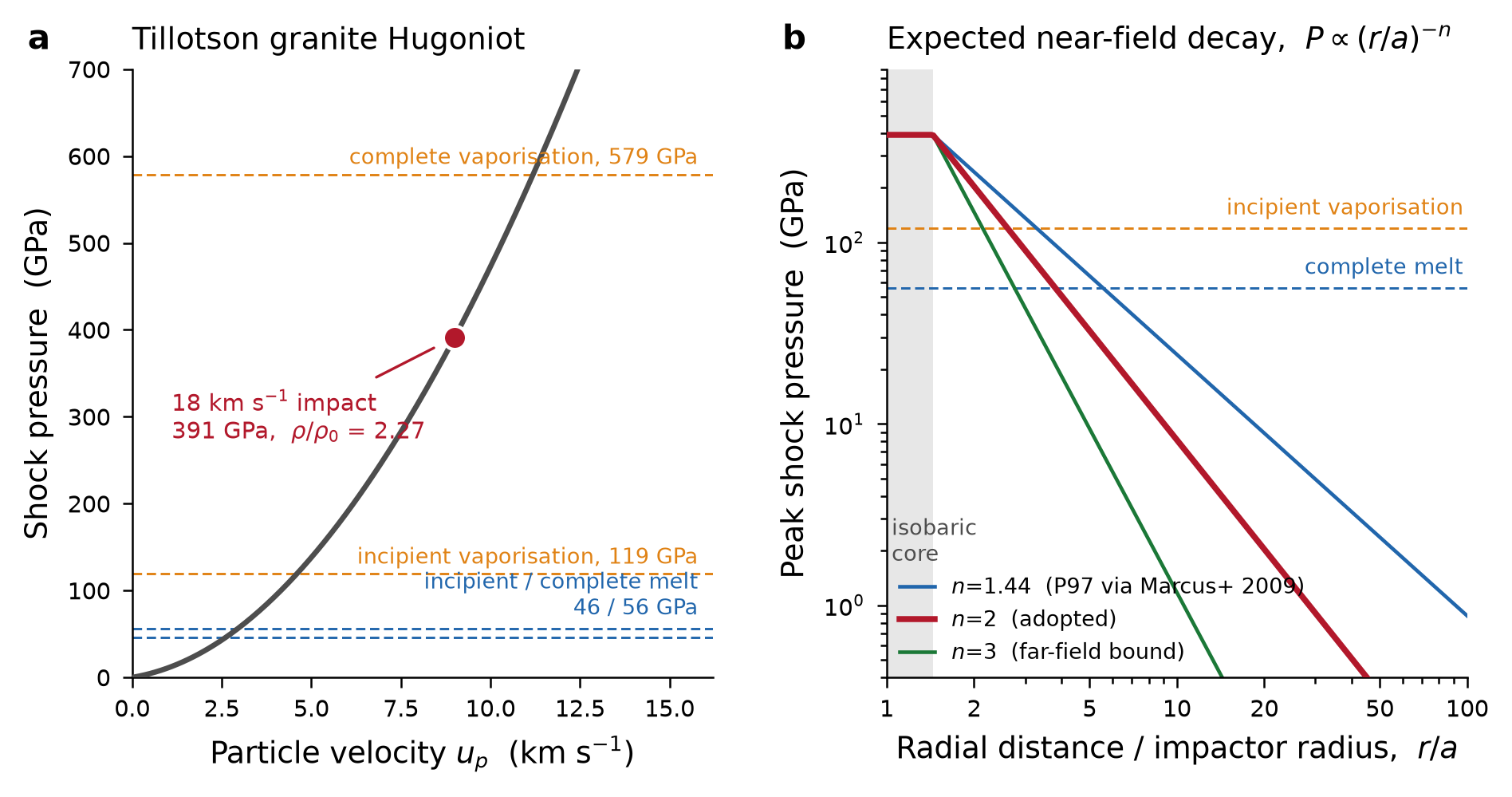
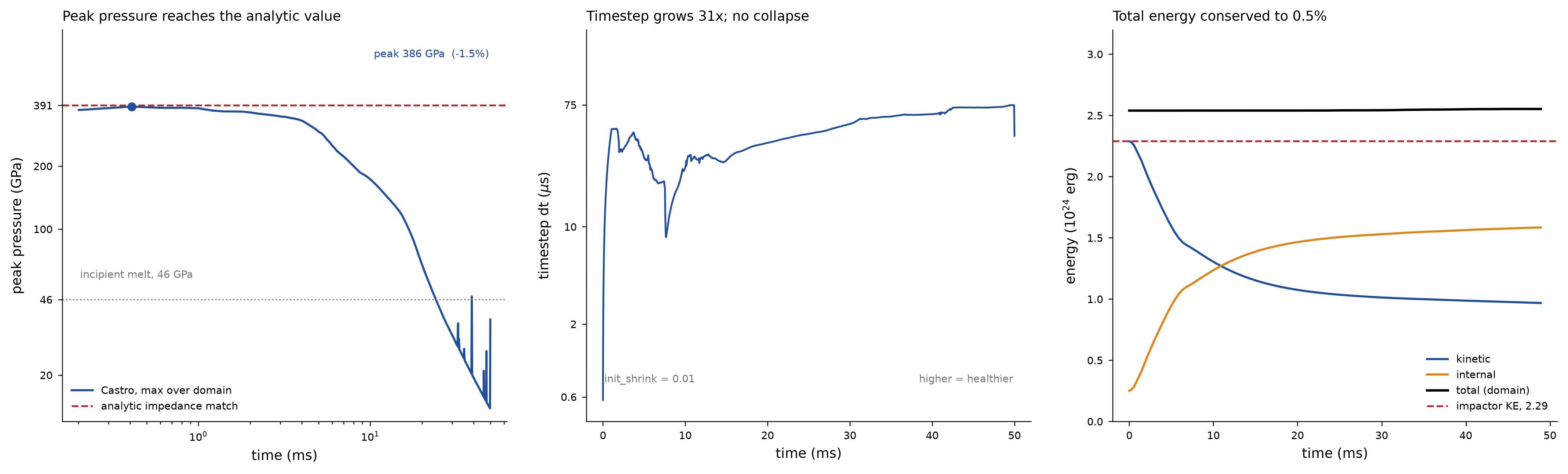
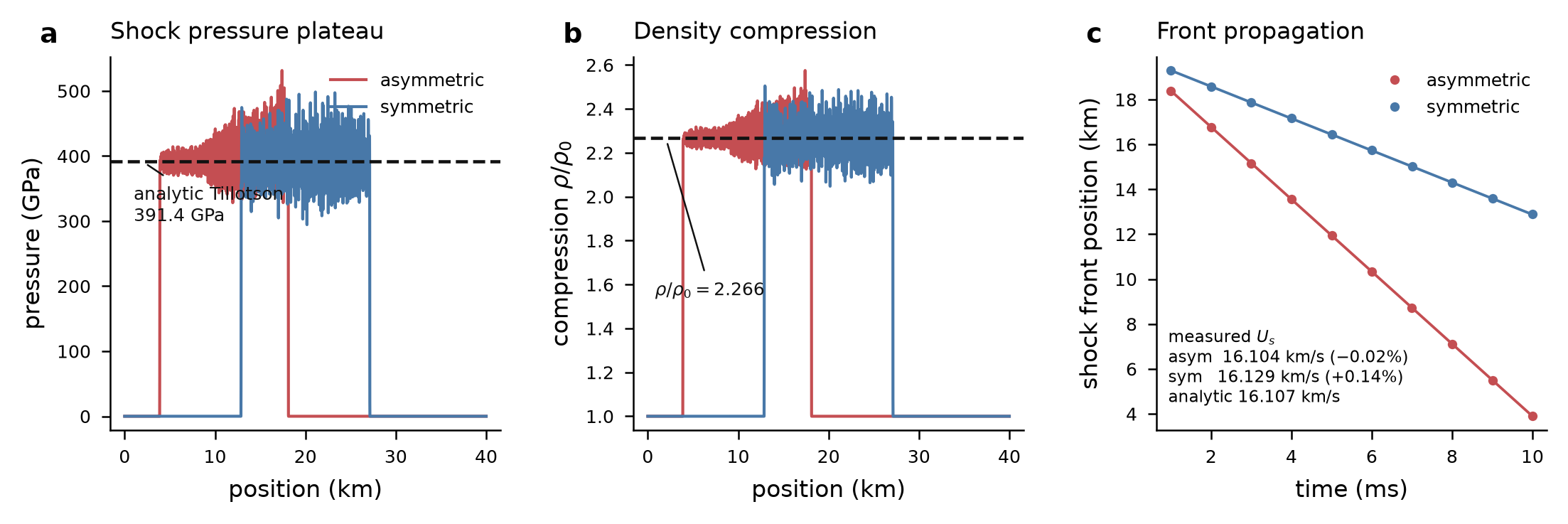
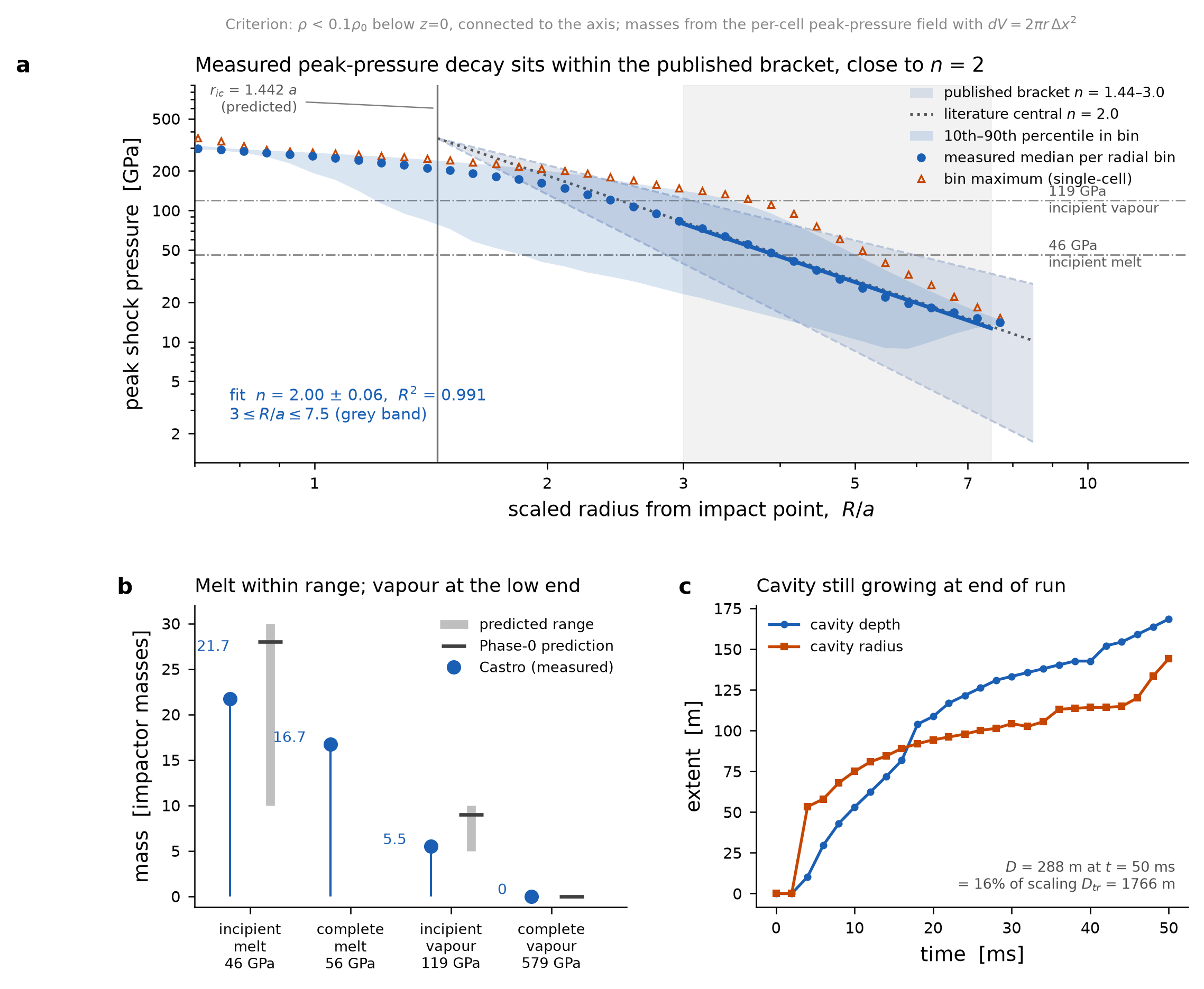
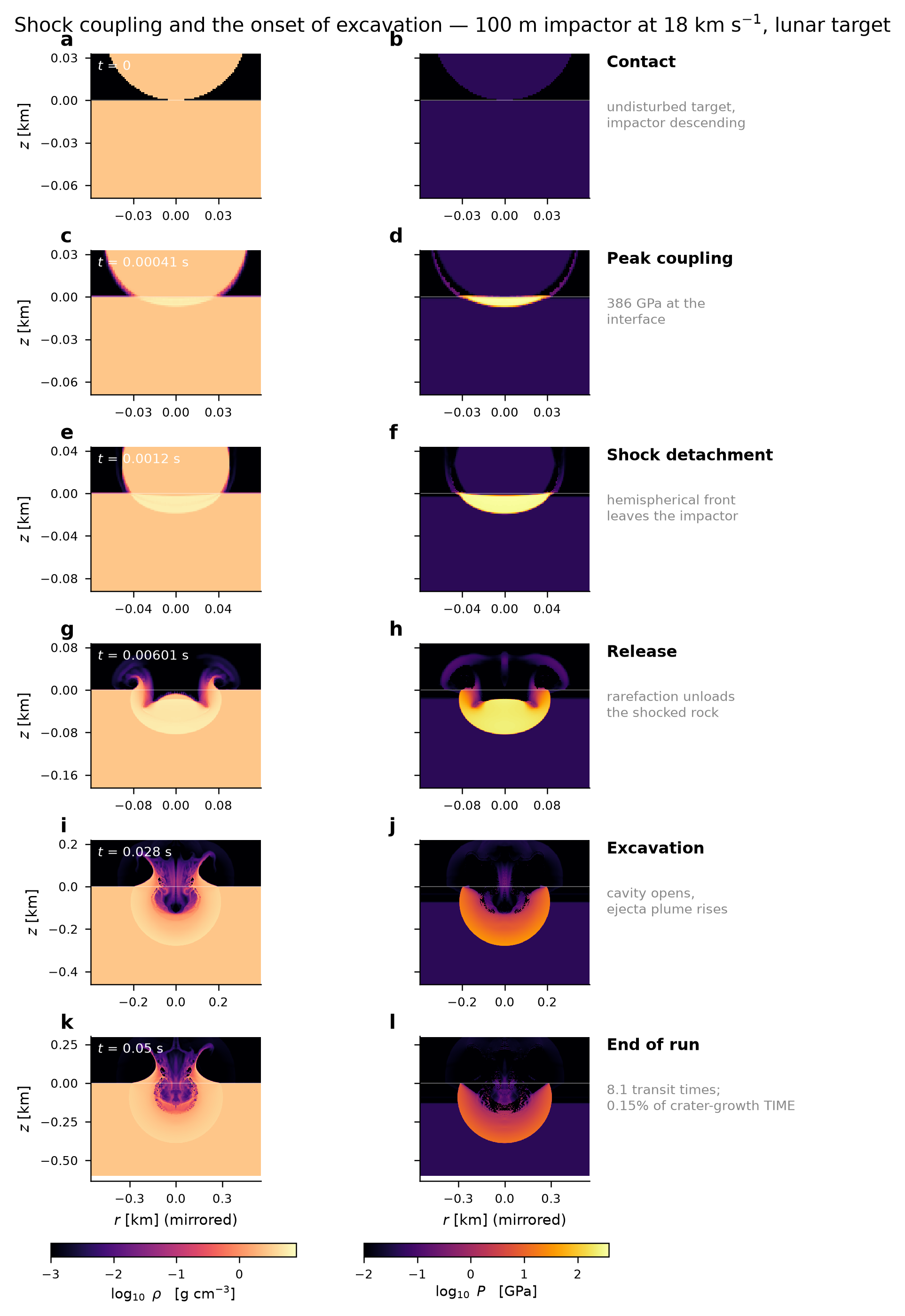
The early-impact model produces a peak shock pressure close to the analytical reference, while the final crater remains outside the calculation.
Explore the simulation ↗Understand the physics
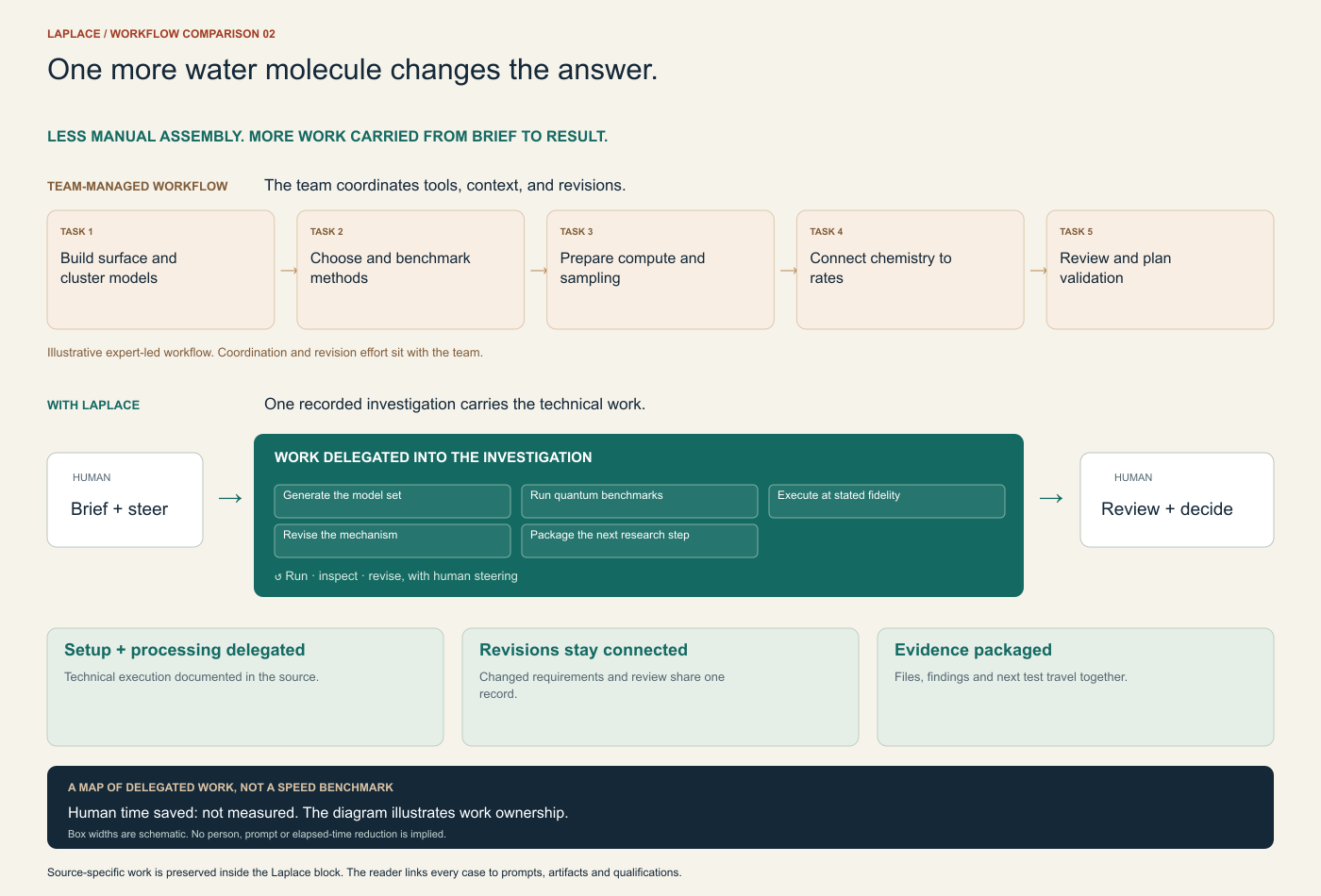
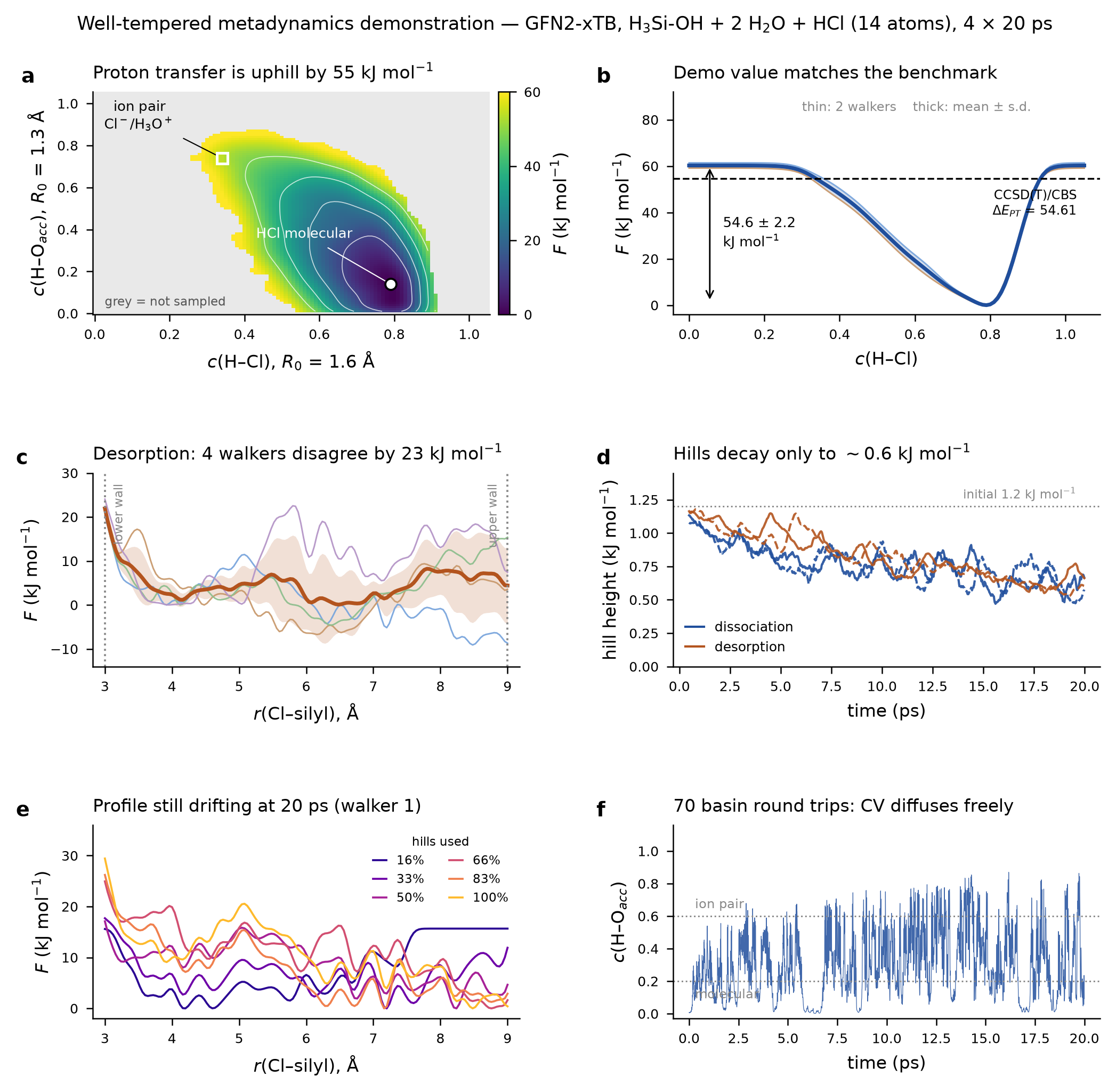
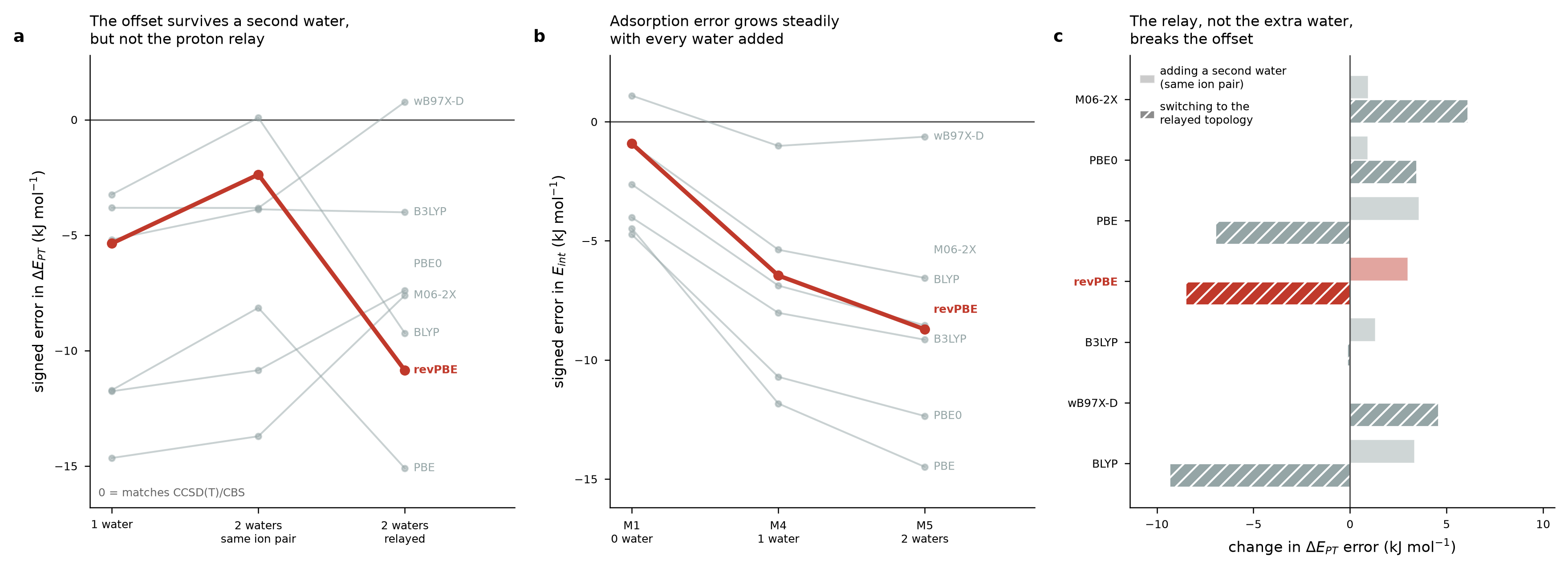
Small molecular models reveal a water-assisted proton-transfer route with a lower calculated energy cost.
Explore the simulation ↗Understand the physics
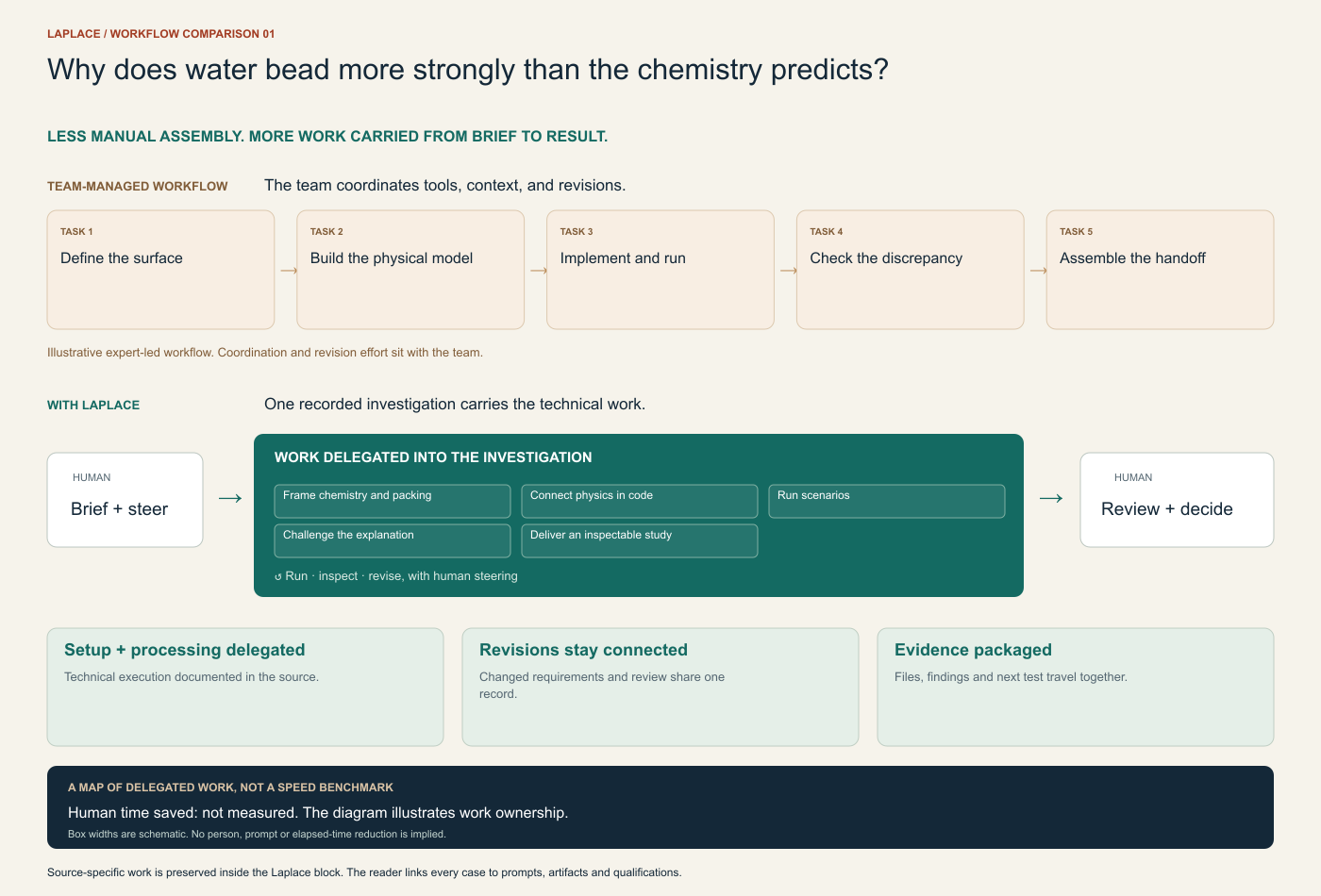
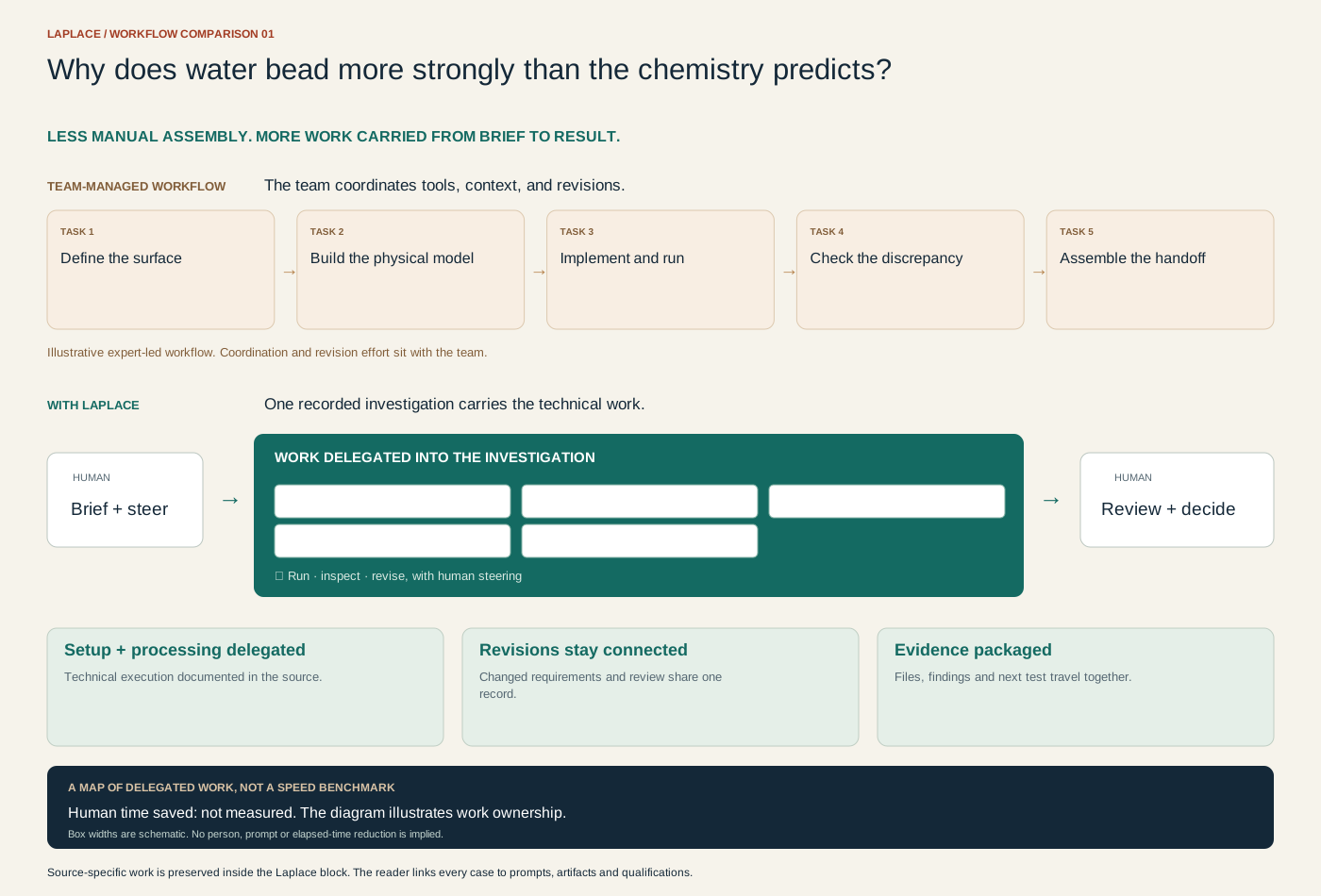
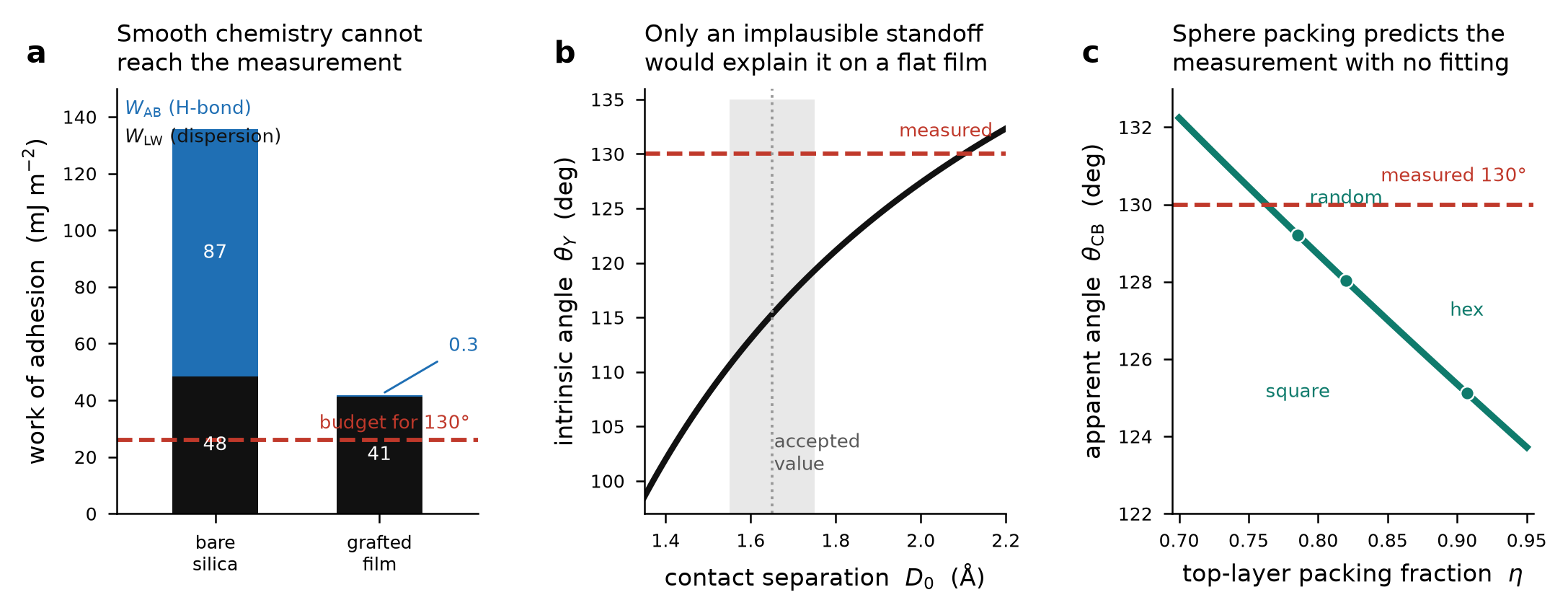
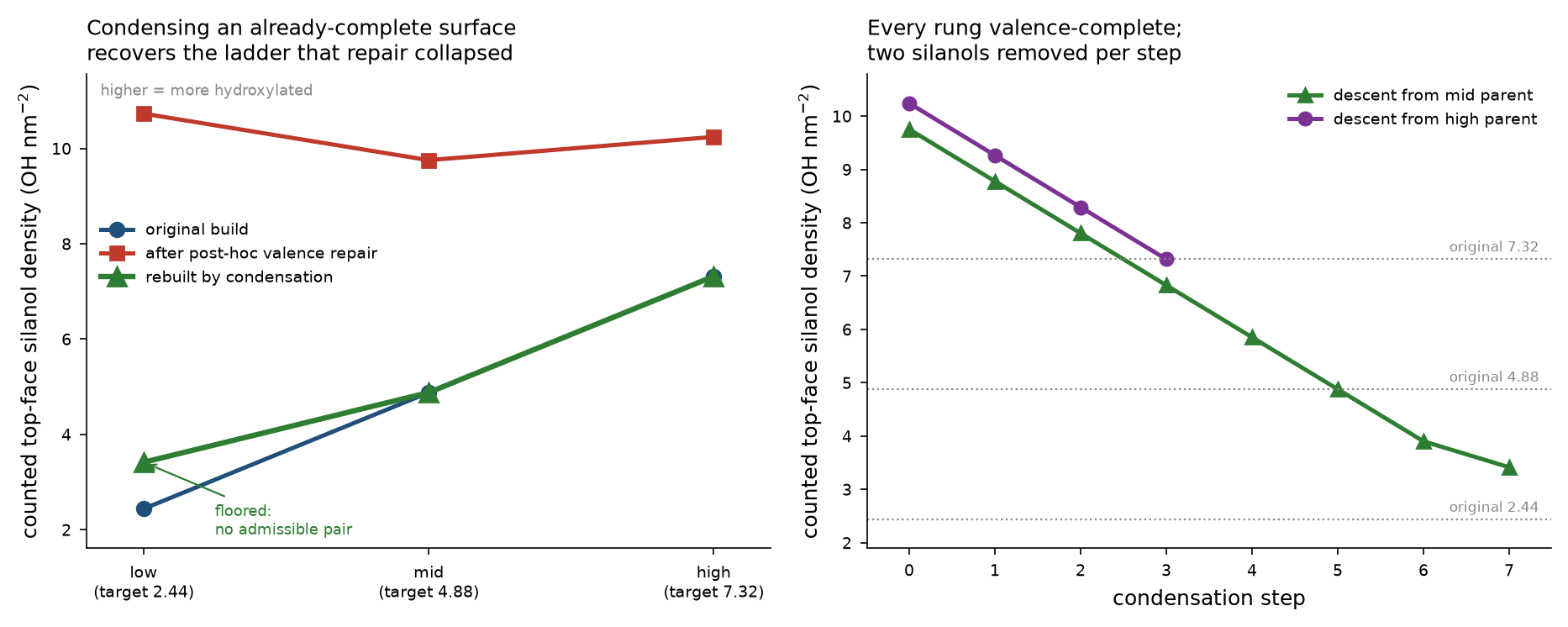
The texture model approaches the disclosed contact angle, but the wetting state remains unobserved.
Explore the simulation ↗Understand the physics
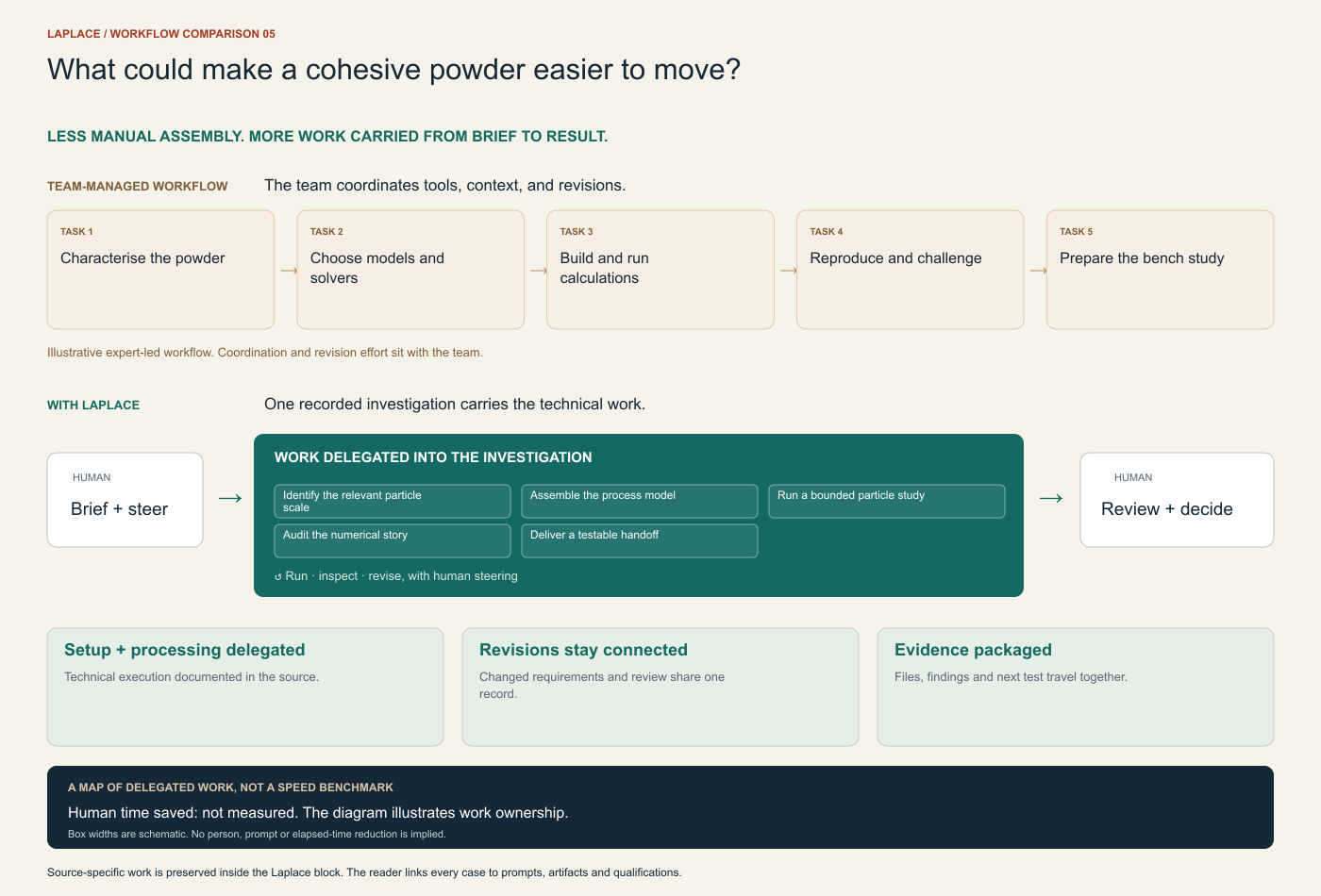
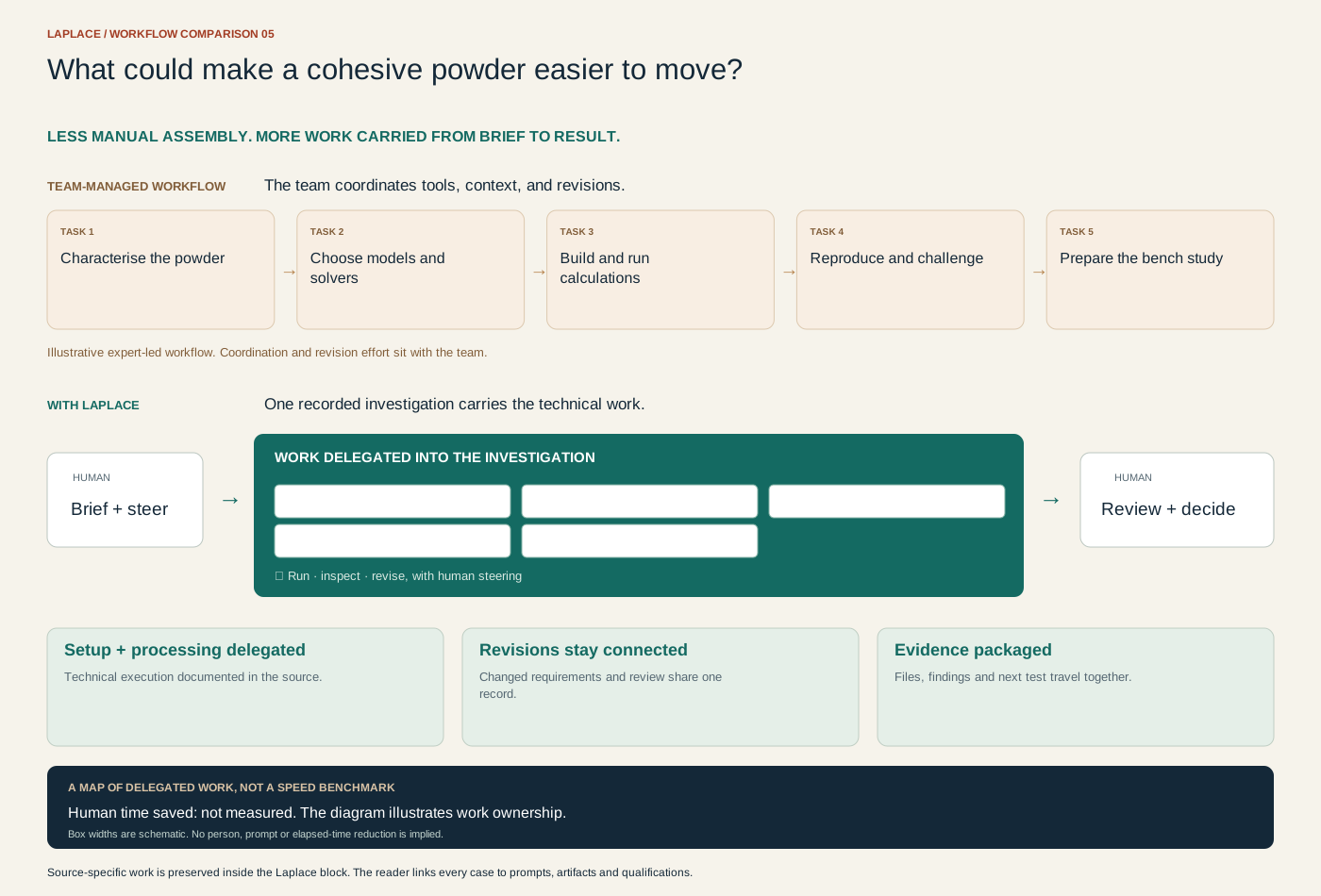
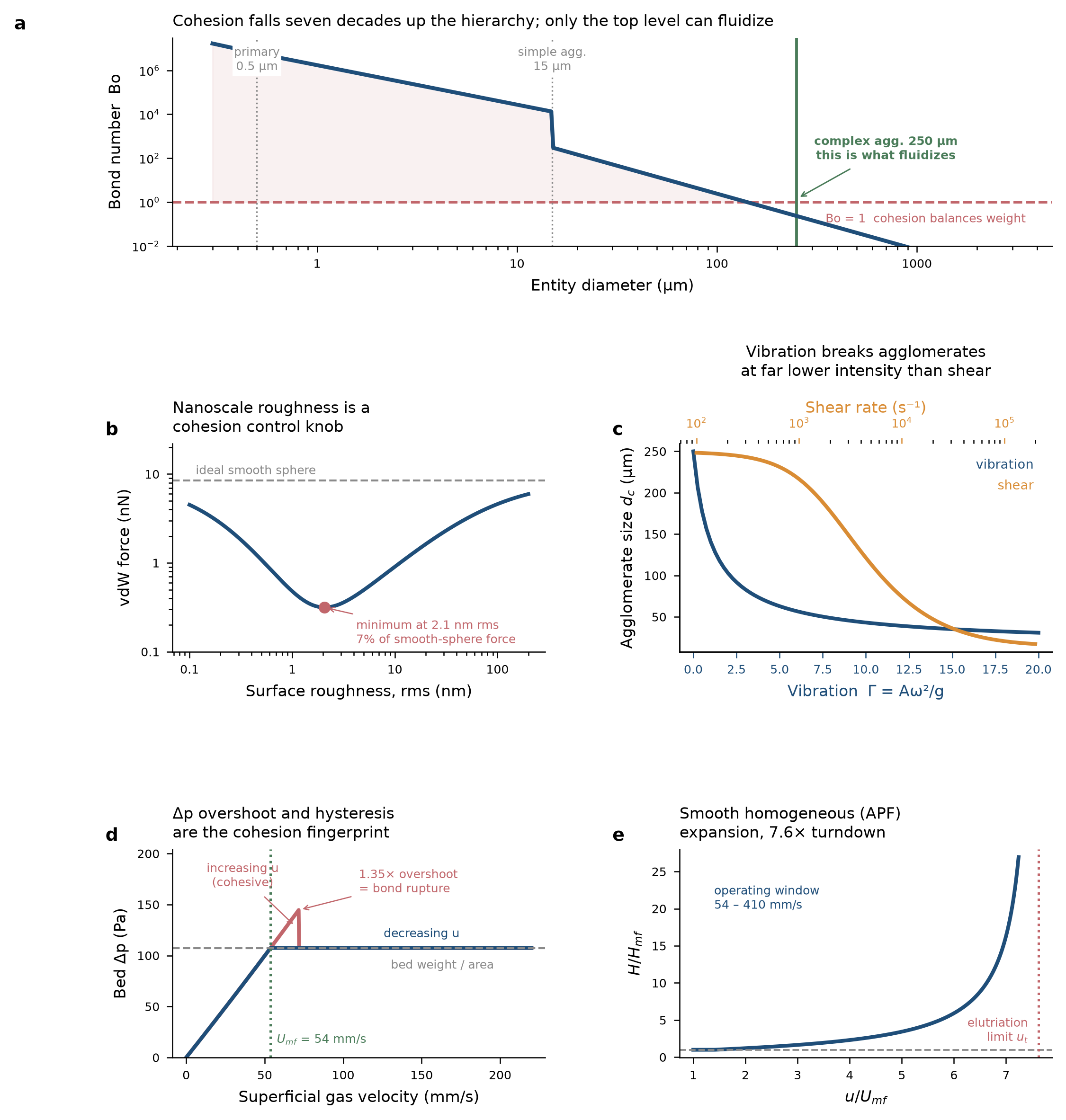
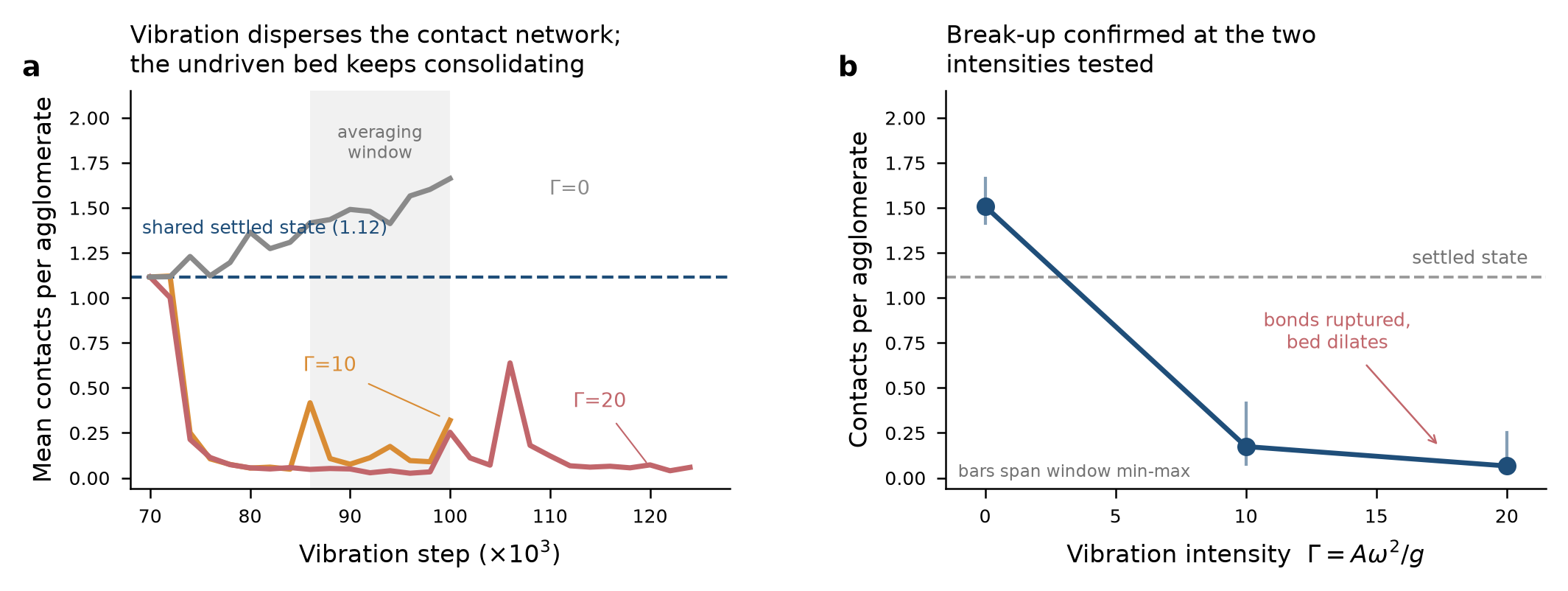
Gas-free particle runs show fewer contacts under vibration; a stable control is needed to interpret the difference.
Explore the simulation ↗Understand the physics
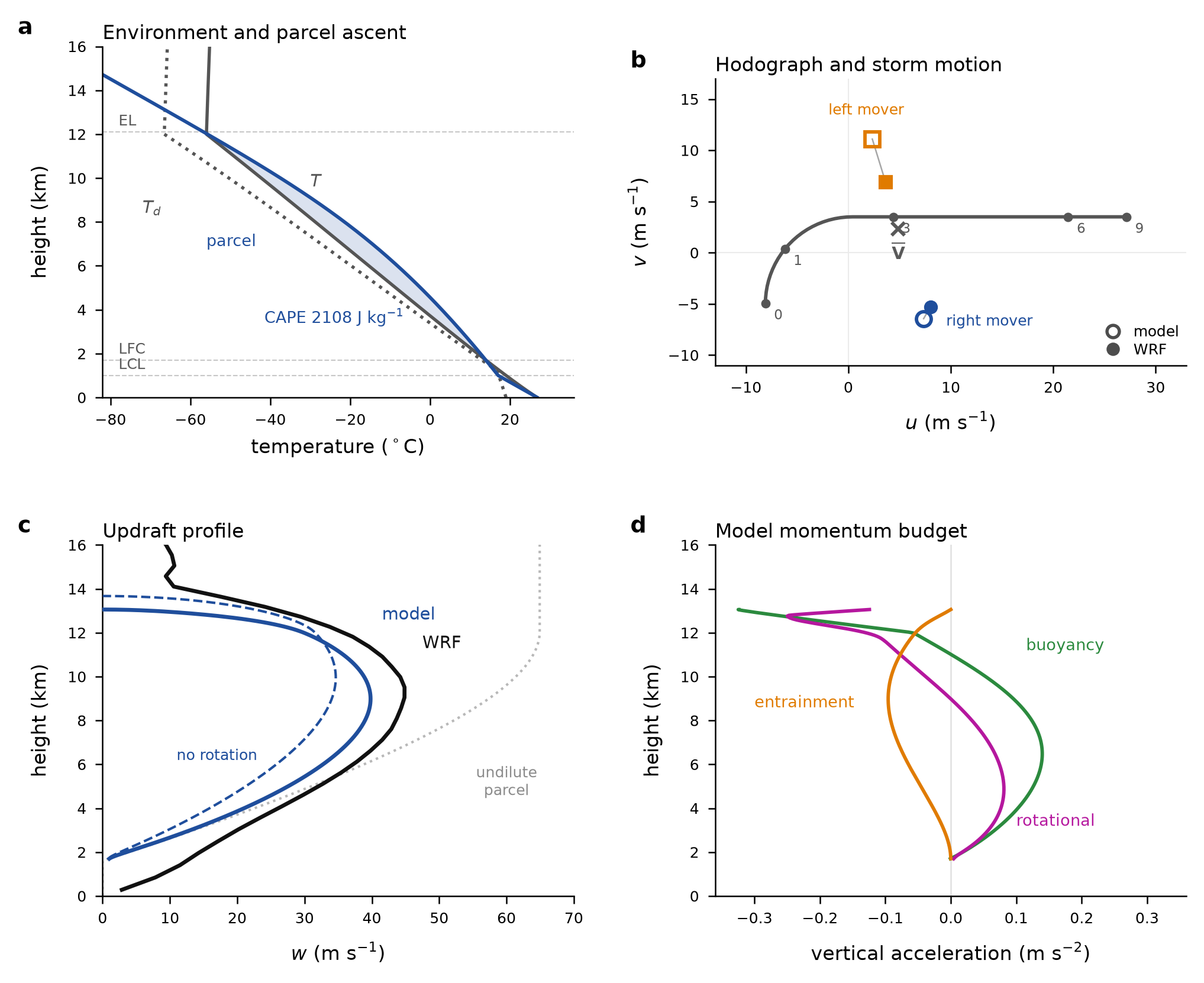
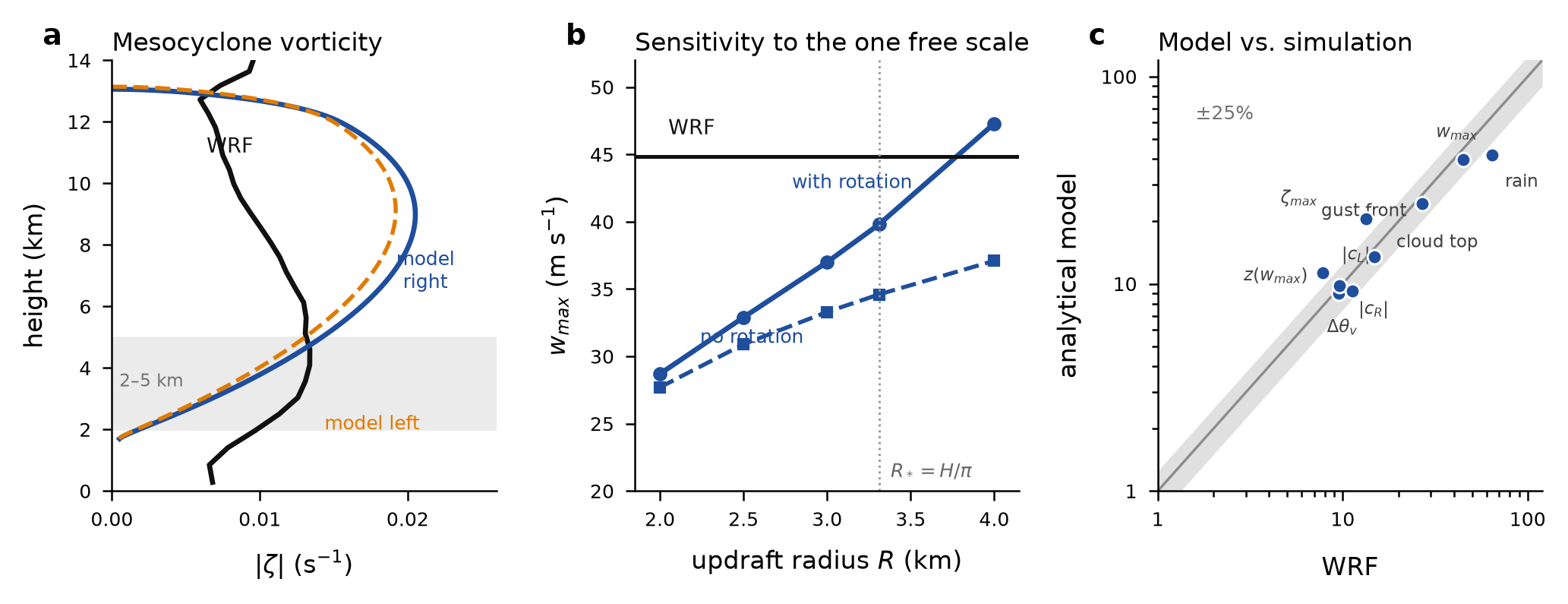
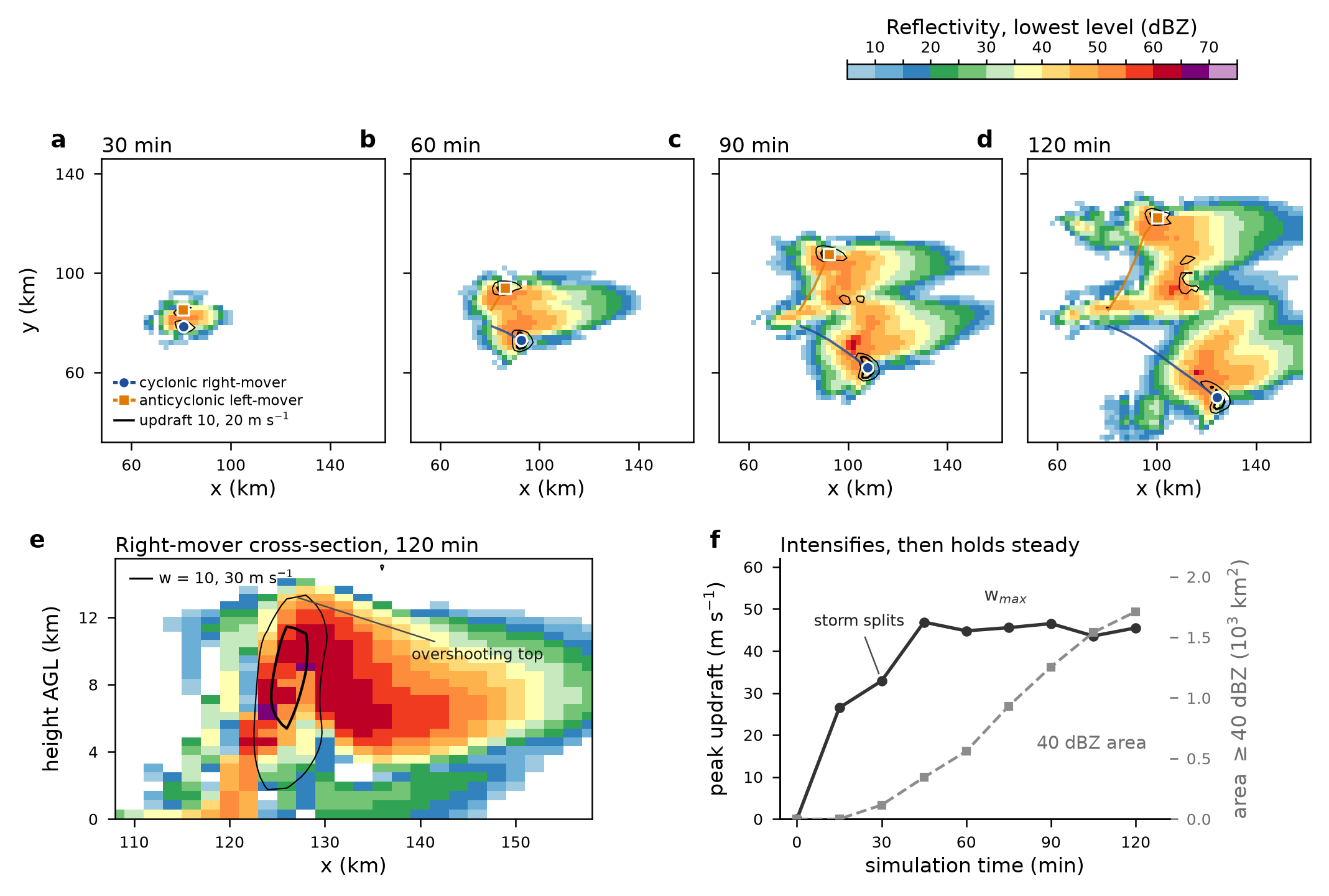
The simpler model produces a similar peak updraft, while other storm properties disagree substantially with the detailed model.
Explore the simulation ↗Understand the physics
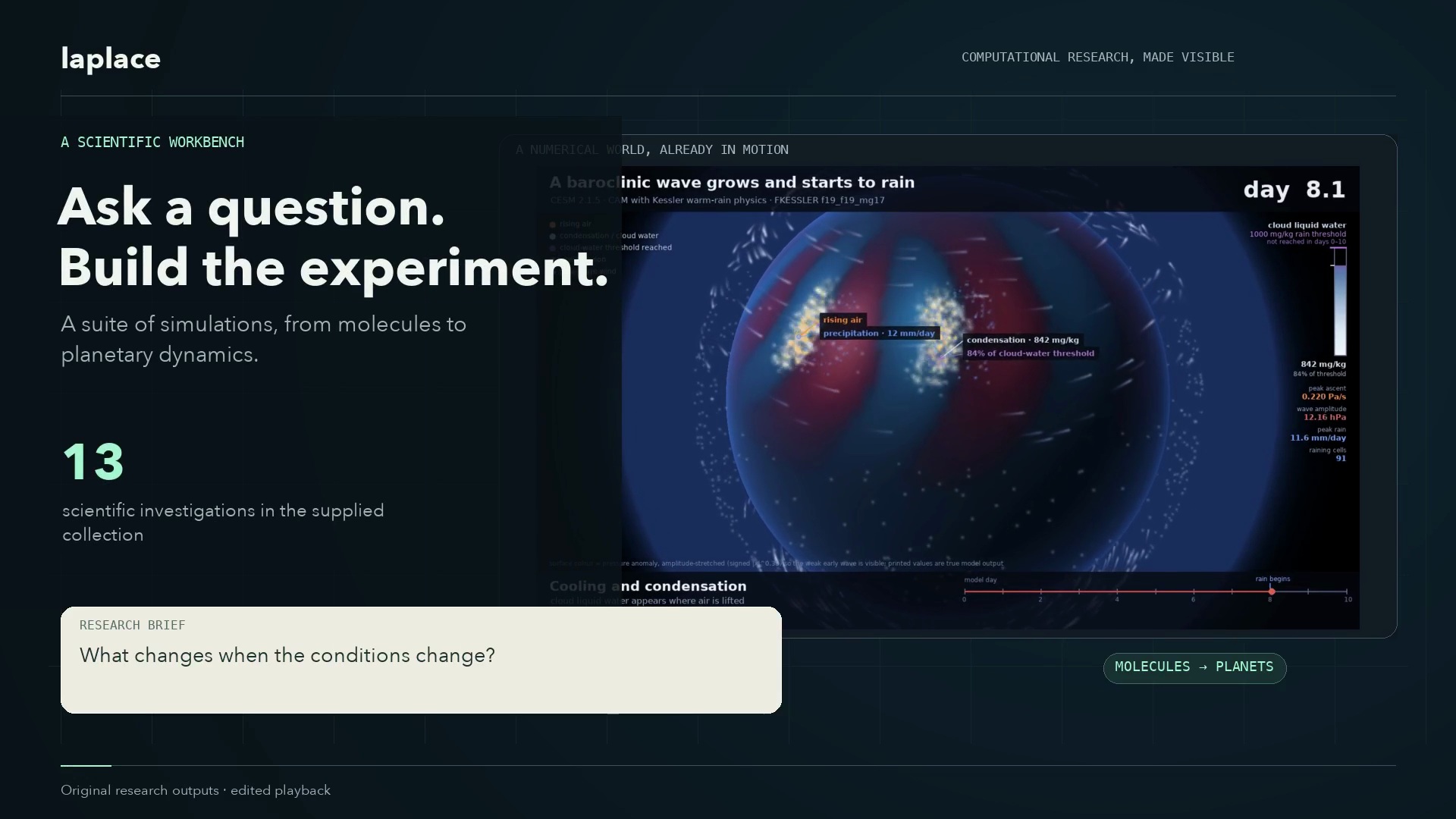
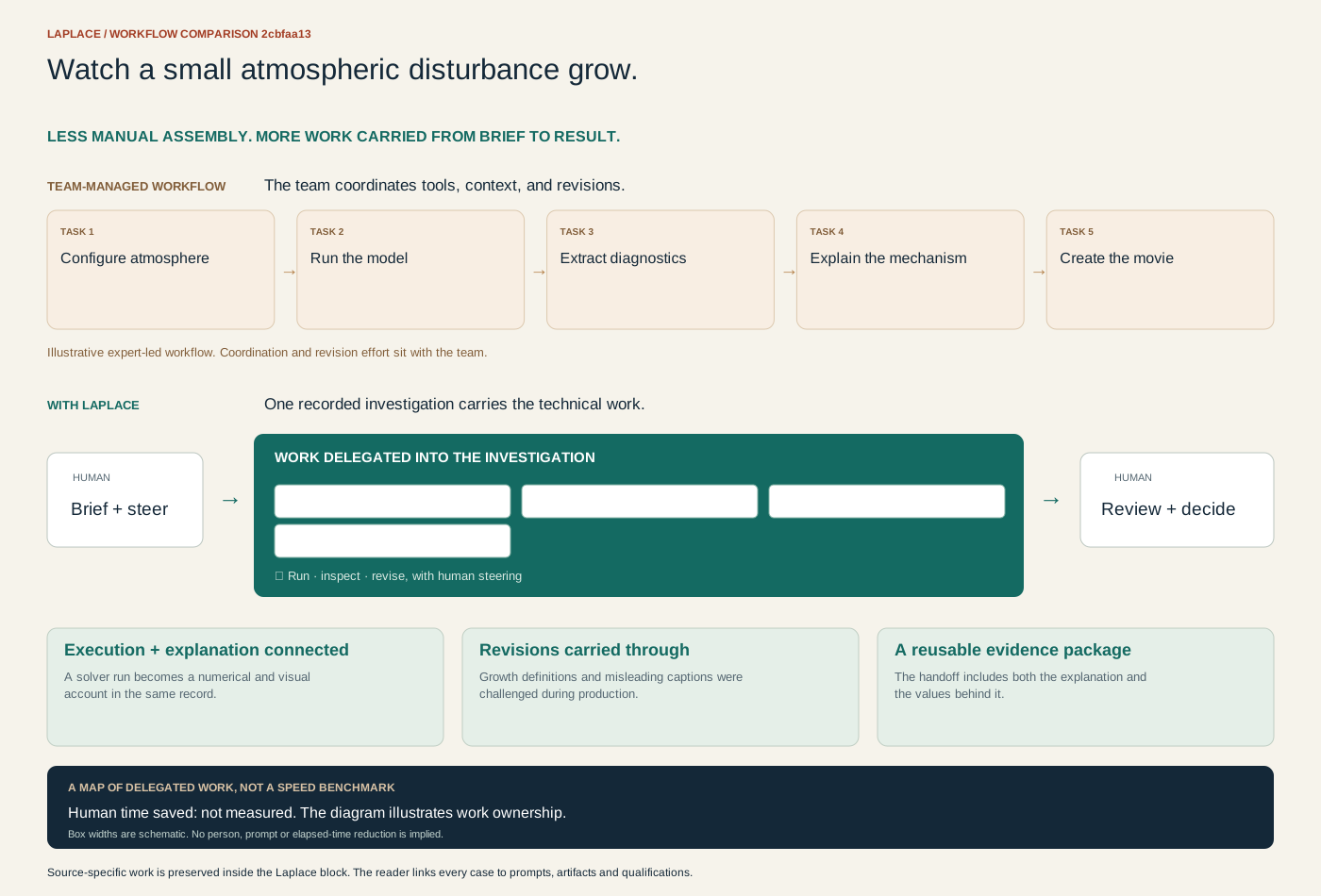
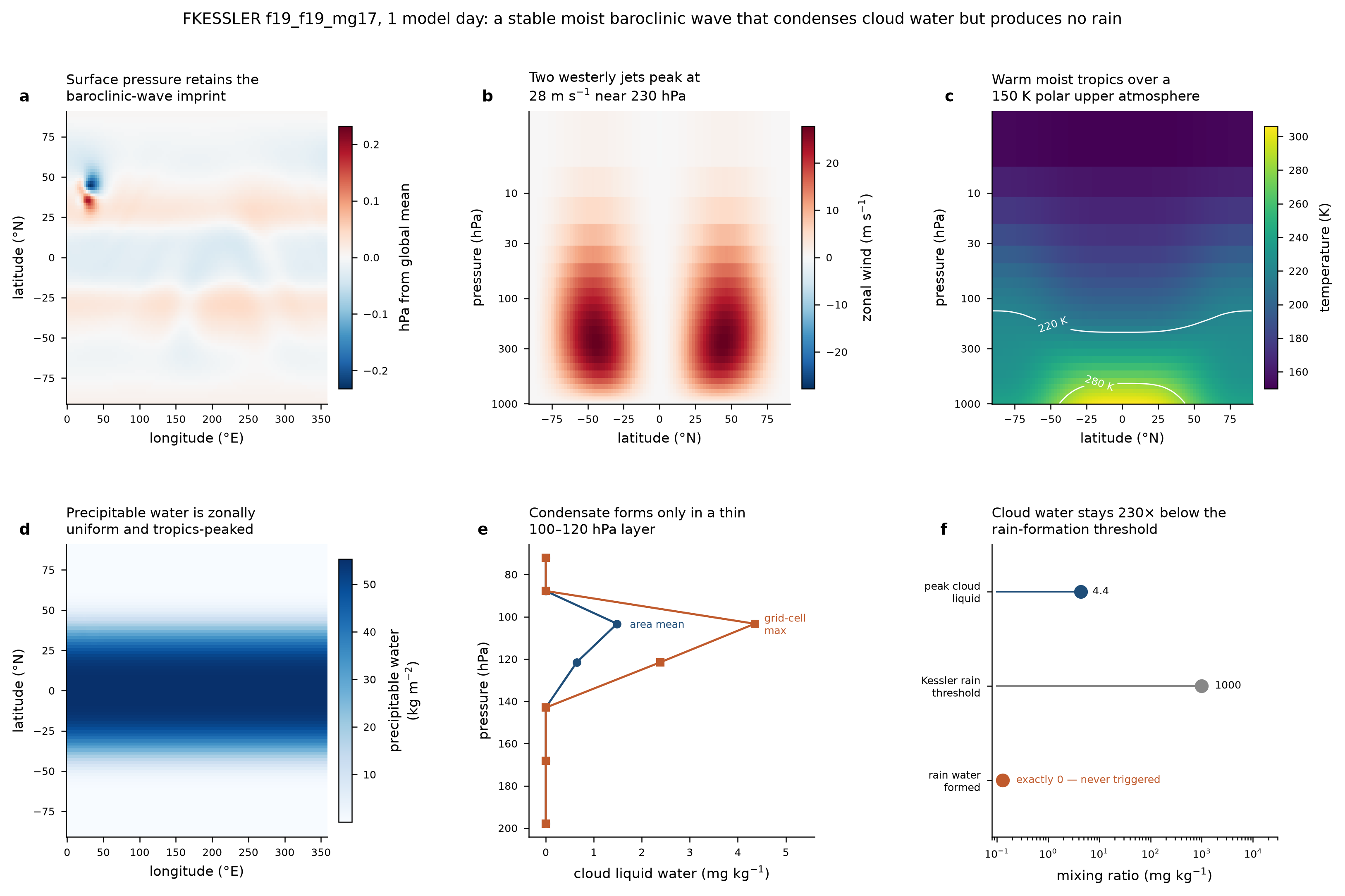
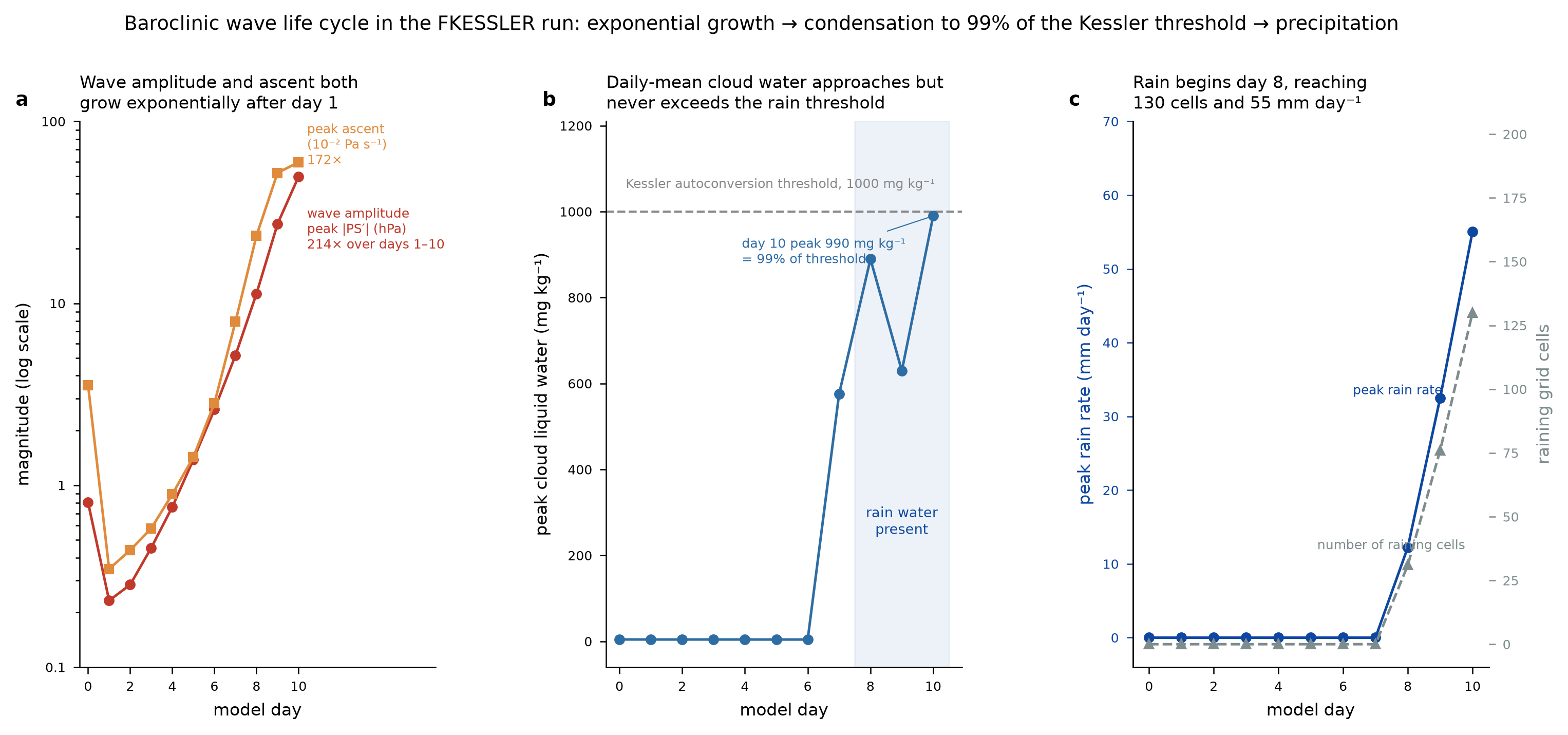
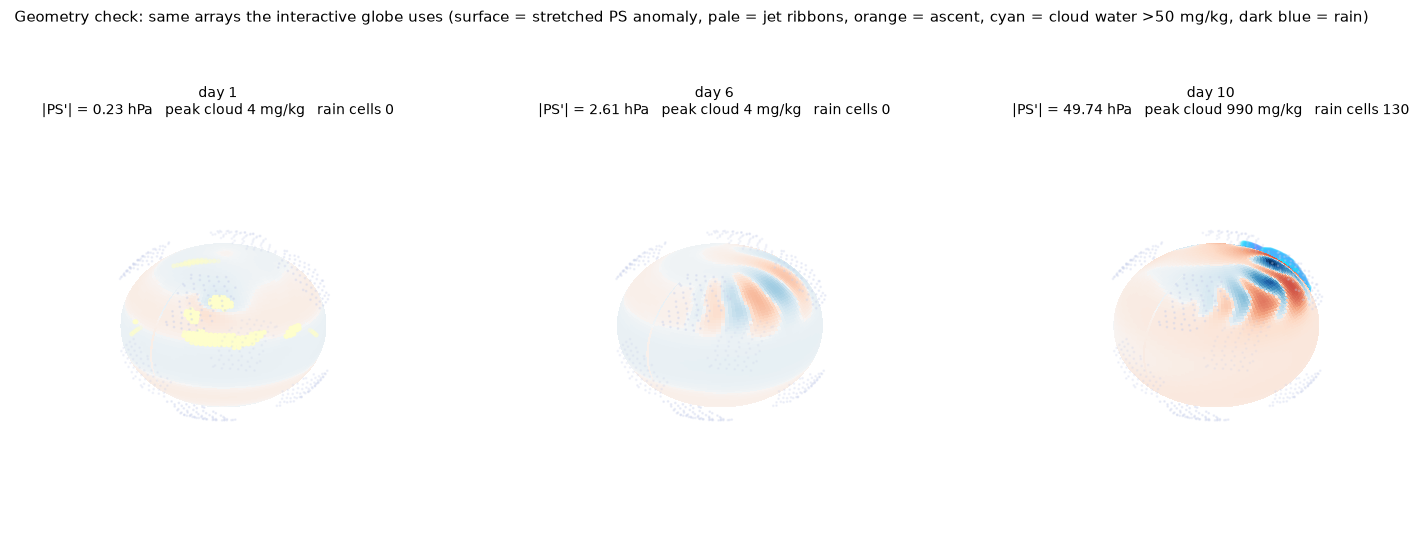
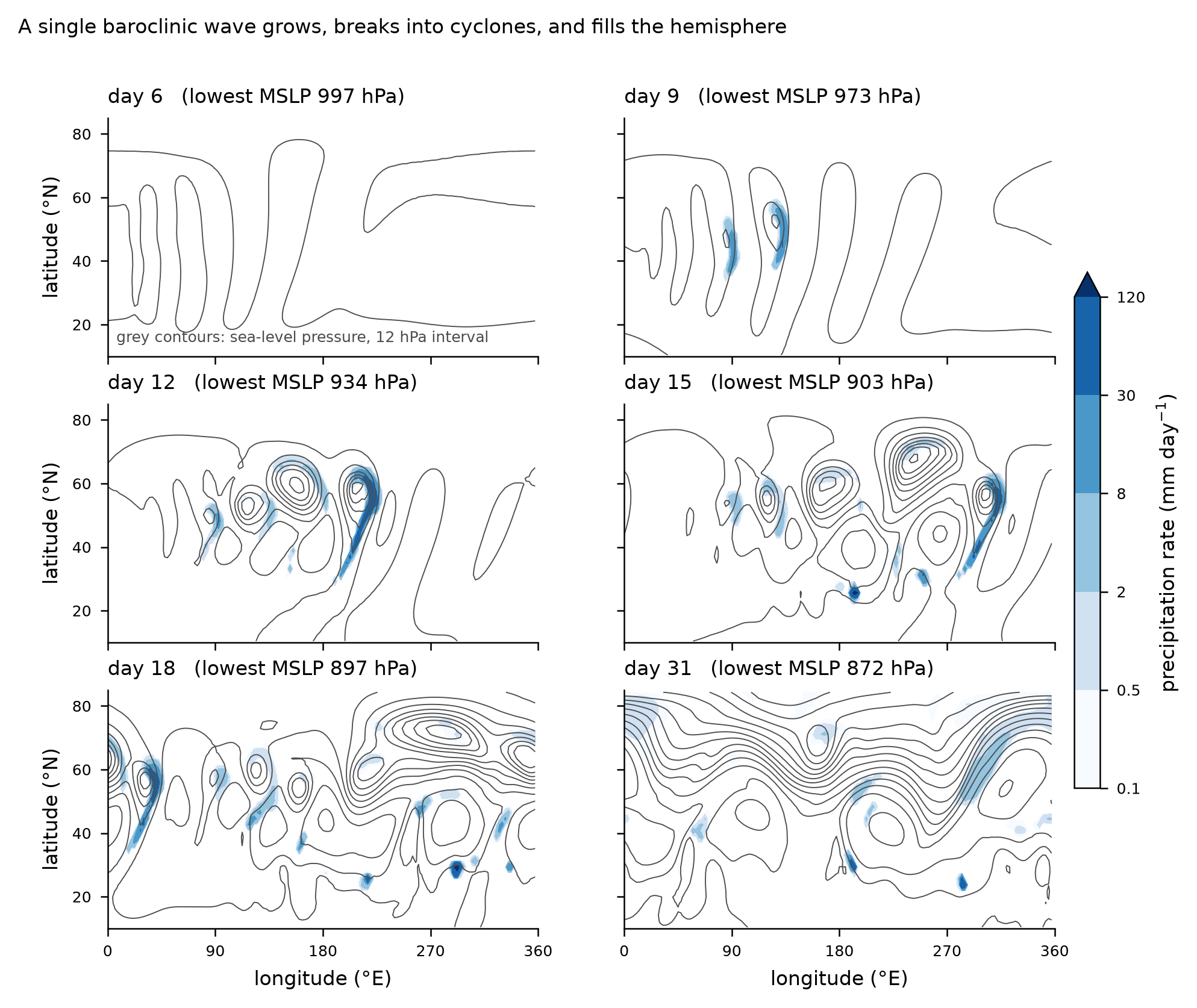
Saved pressure, ascent, cloud-water and rainfall diagnostics connect disturbance growth to the evolving model weather.
Explore the simulation ↗Create observations
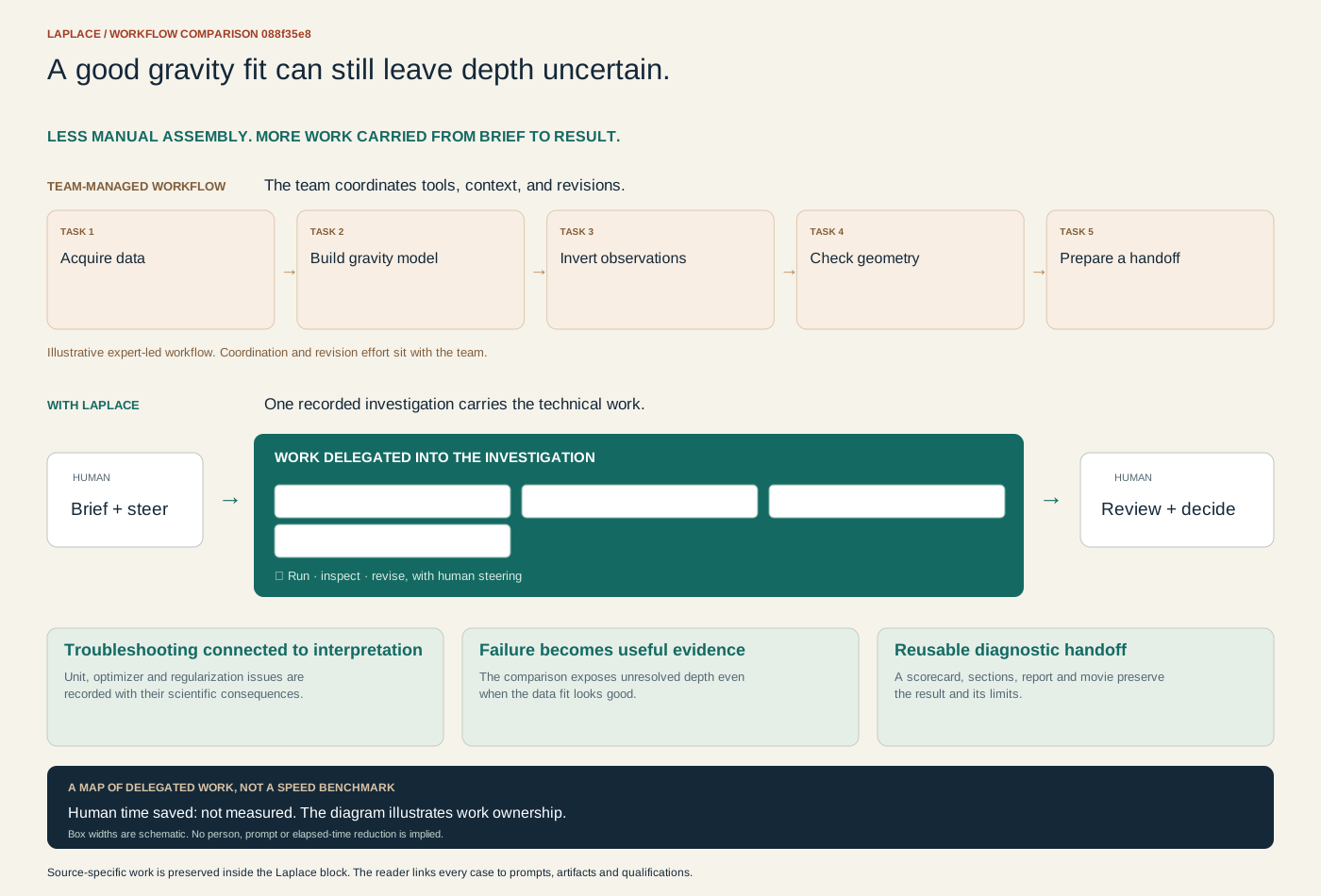
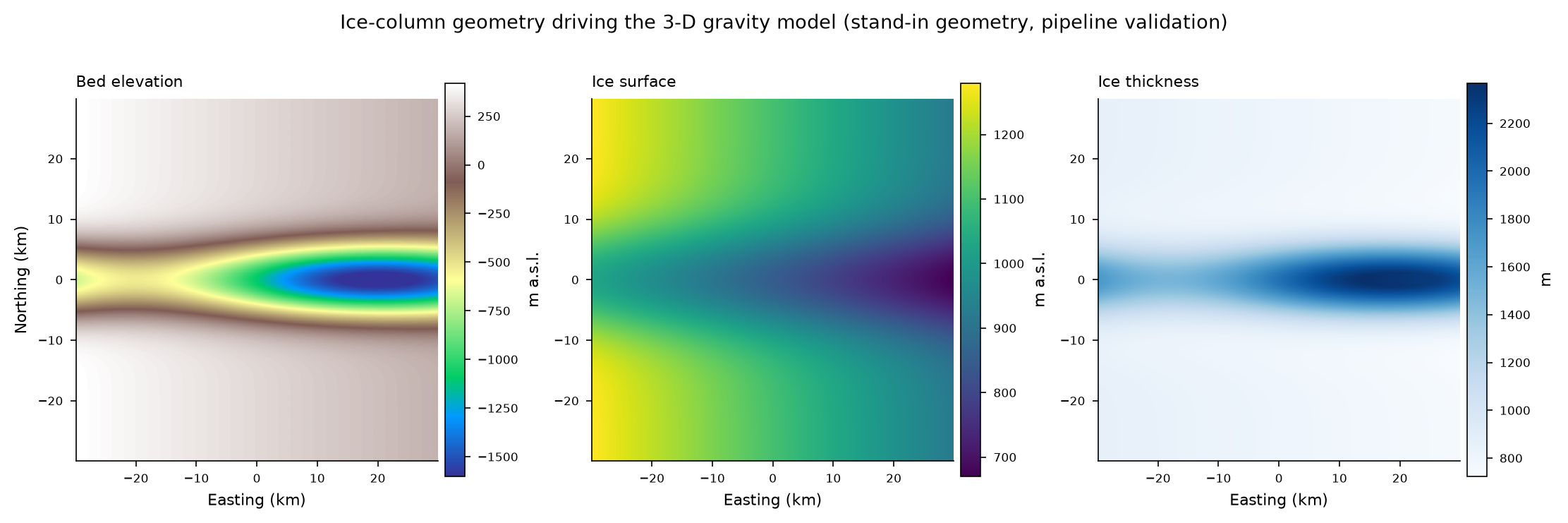
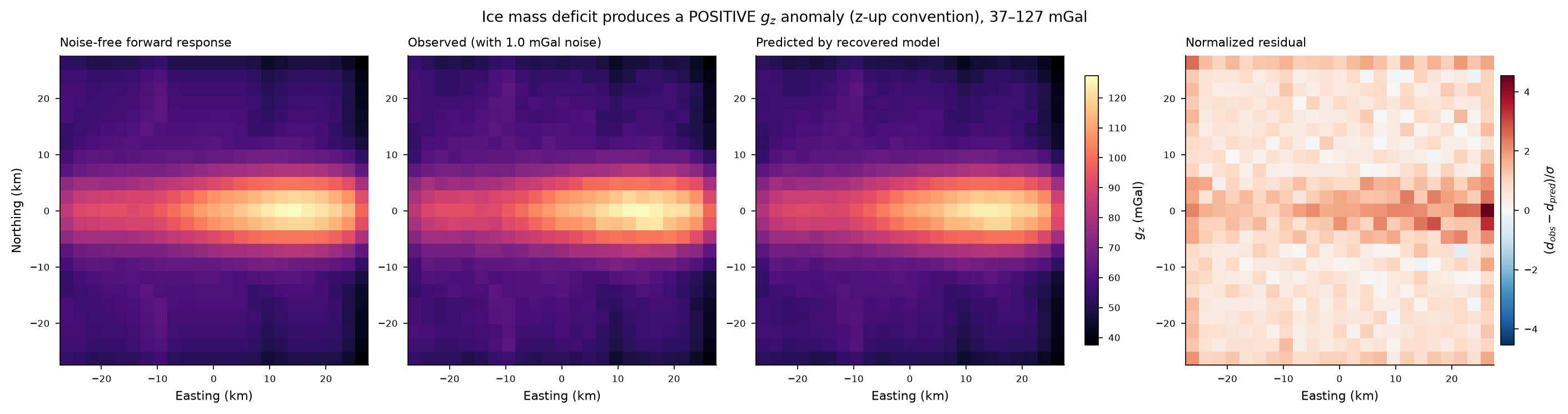
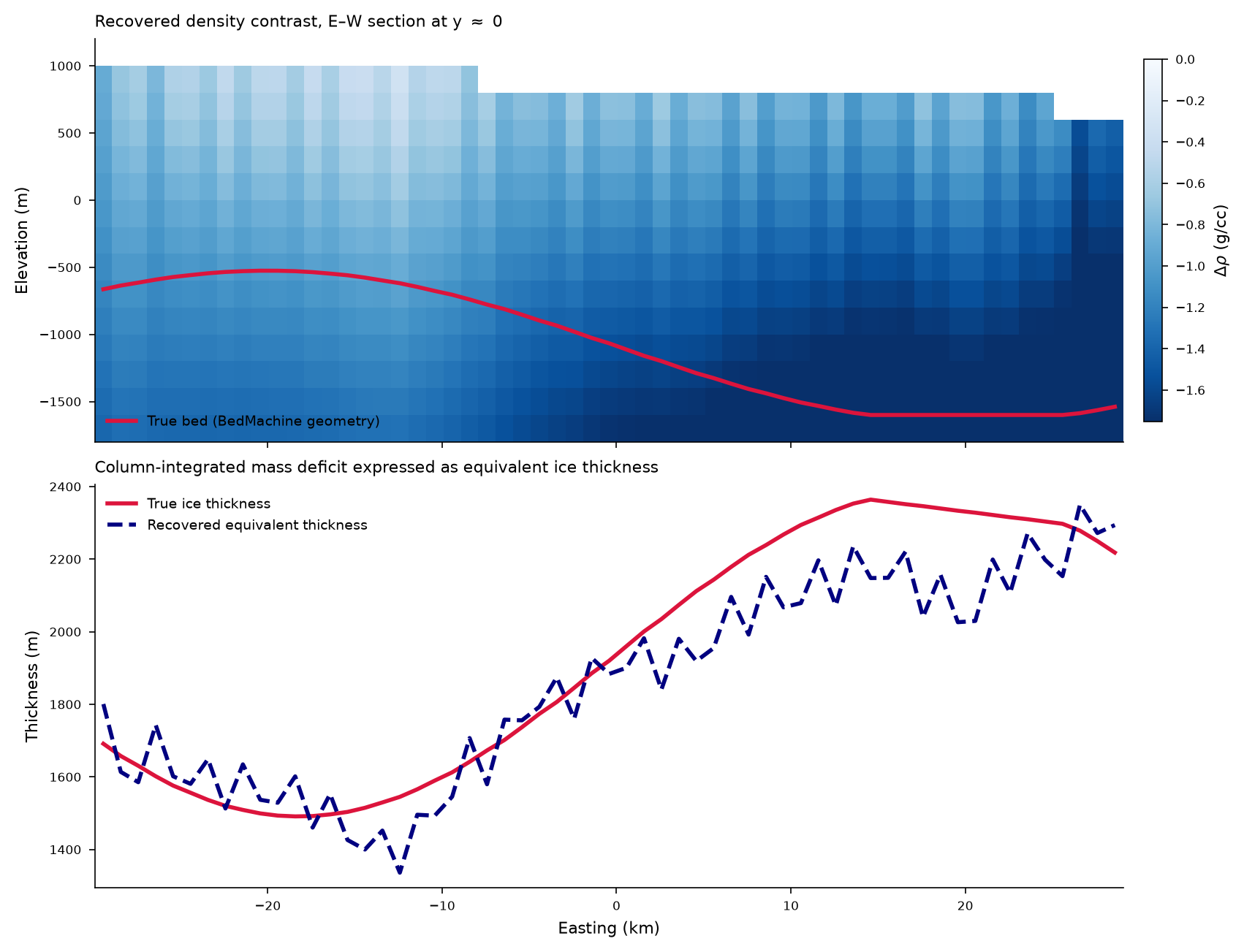
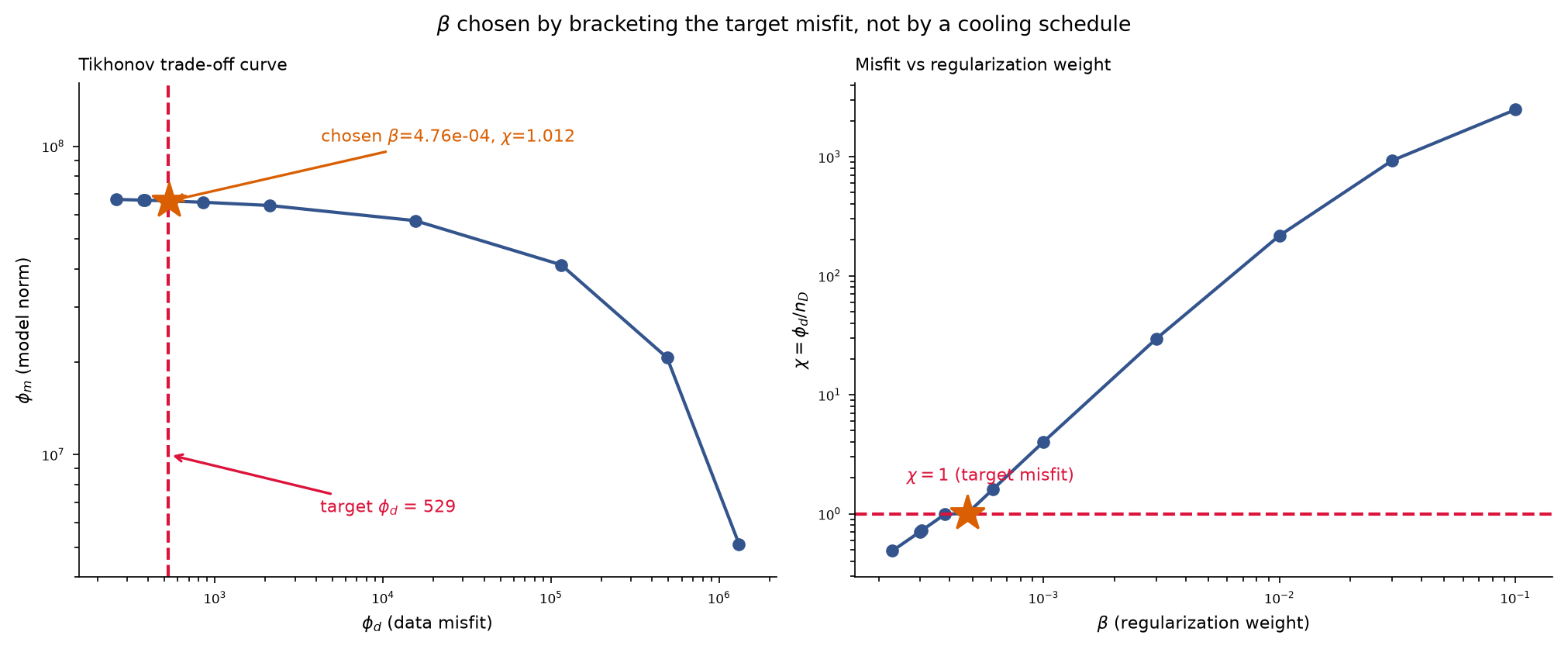
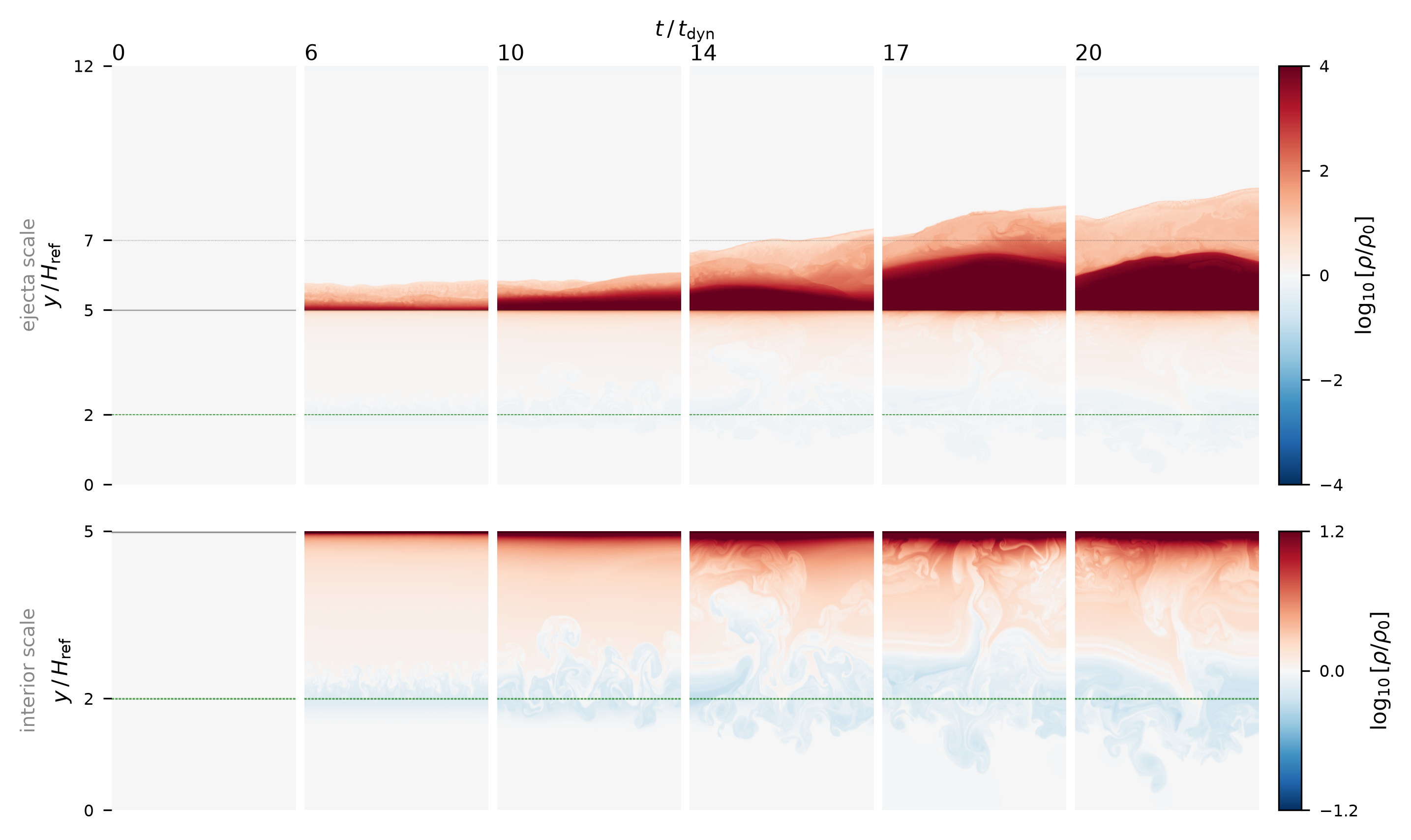
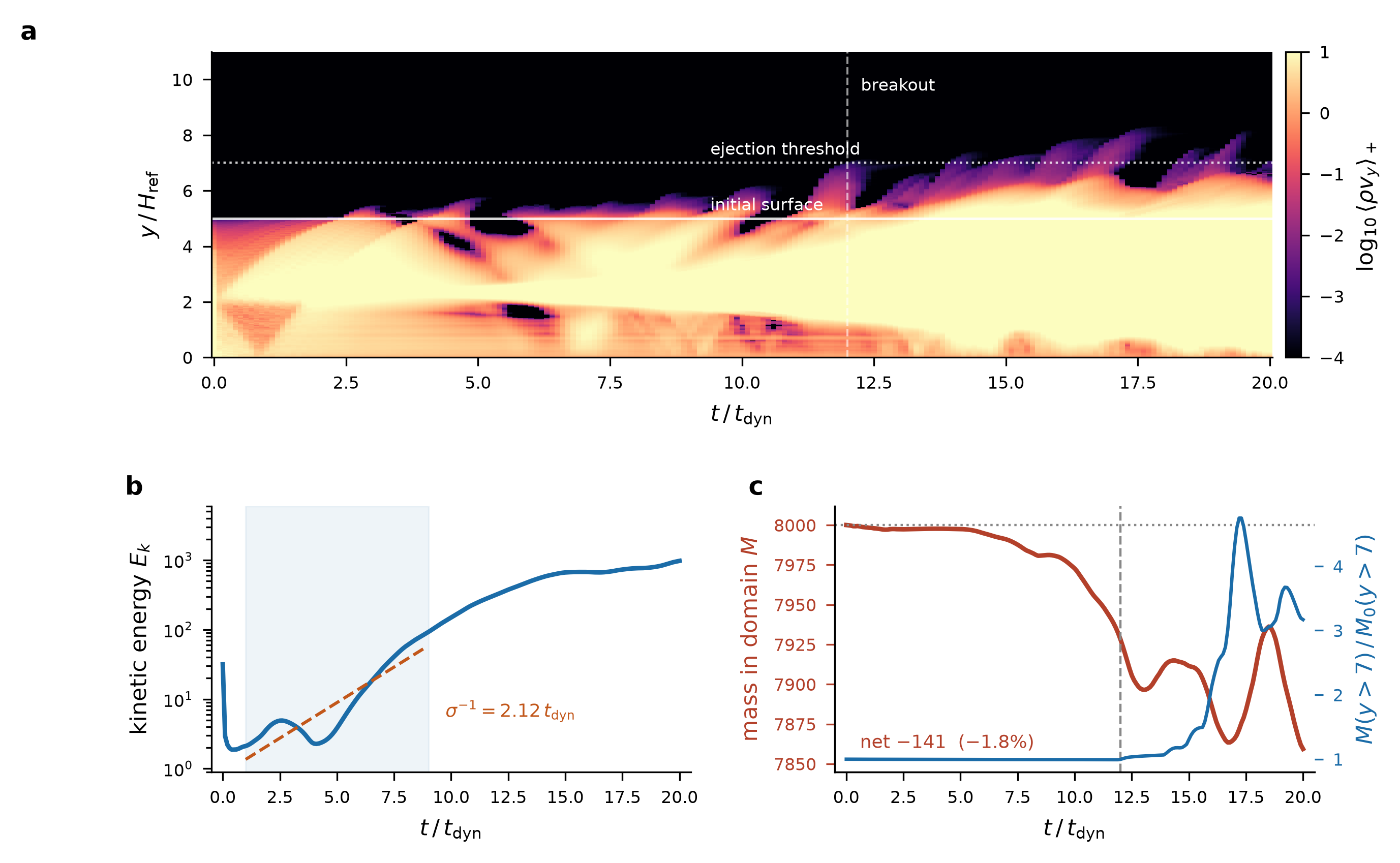
Recovered mass is close to the synthetic target, but a near-target data fit does not recover the bed-depth geometry.
Explore the simulation ↗Understand the physics
Errors increase on held-out publications, exposing a transfer gap that local experiments need to test.
Explore the simulation ↗Carry the computation · Engineering note
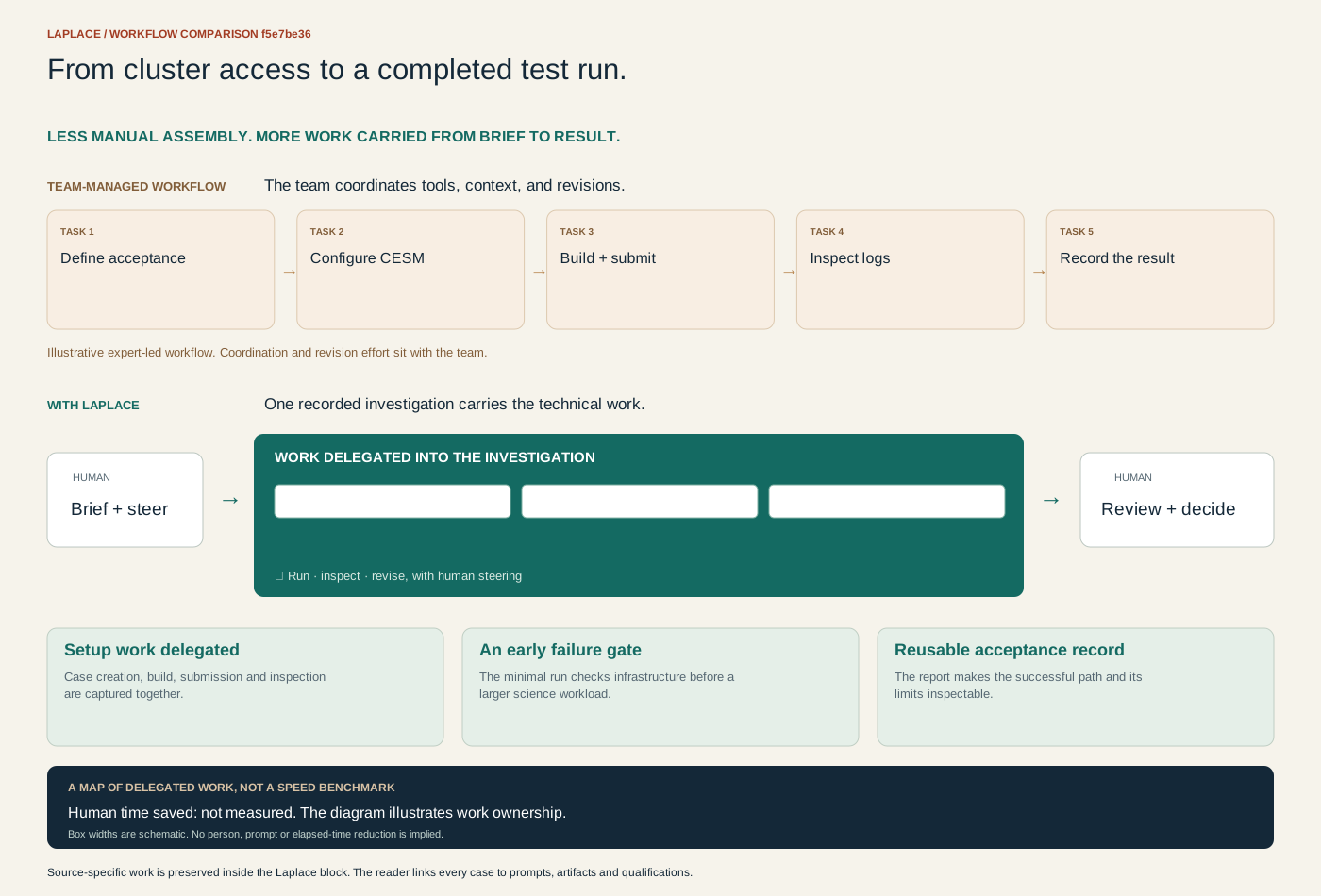
The reported test completes the configured build, submission and time-stepping path and records restart output.
Explore the simulation ↗Carry the computation · Engineering note
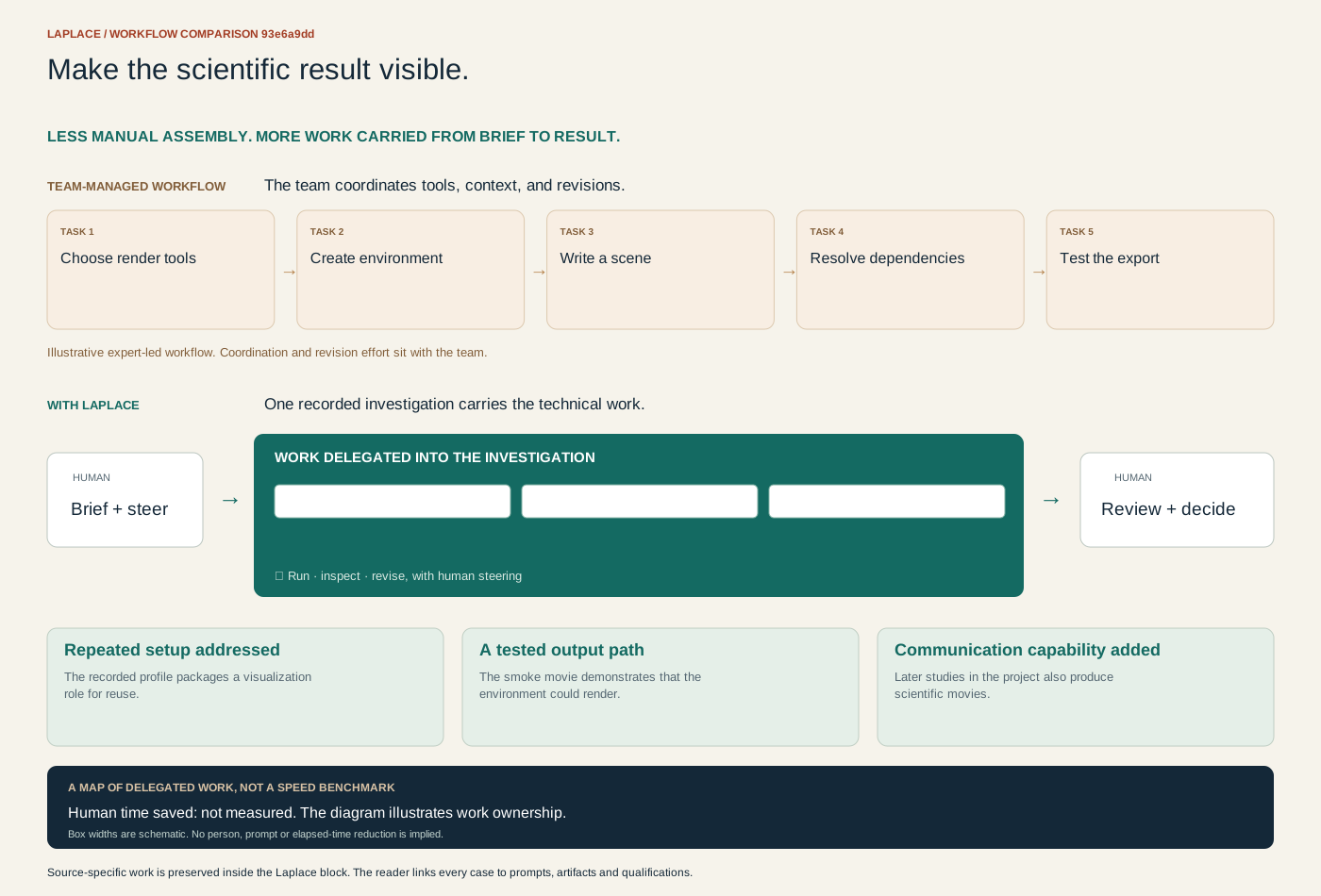
The Manim setup produces a playable movie and retains its source, establishing the rendering path.
Explore the simulation ↗Carry the computation · Engineering note
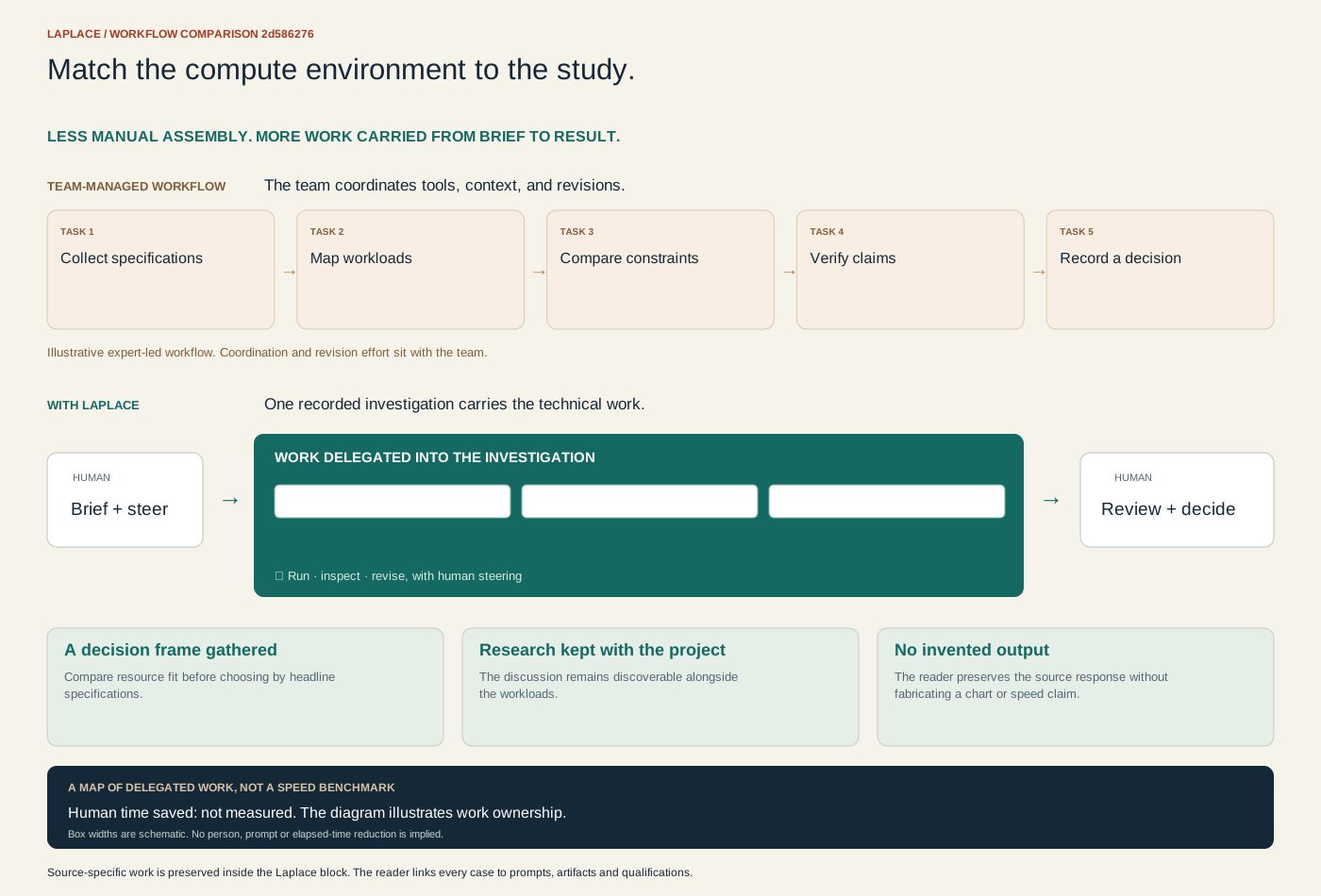
The research note identifies workload constraints; it provides no measured runtime or cost comparison.
Explore the simulation ↗Carry the computation · Unresolved
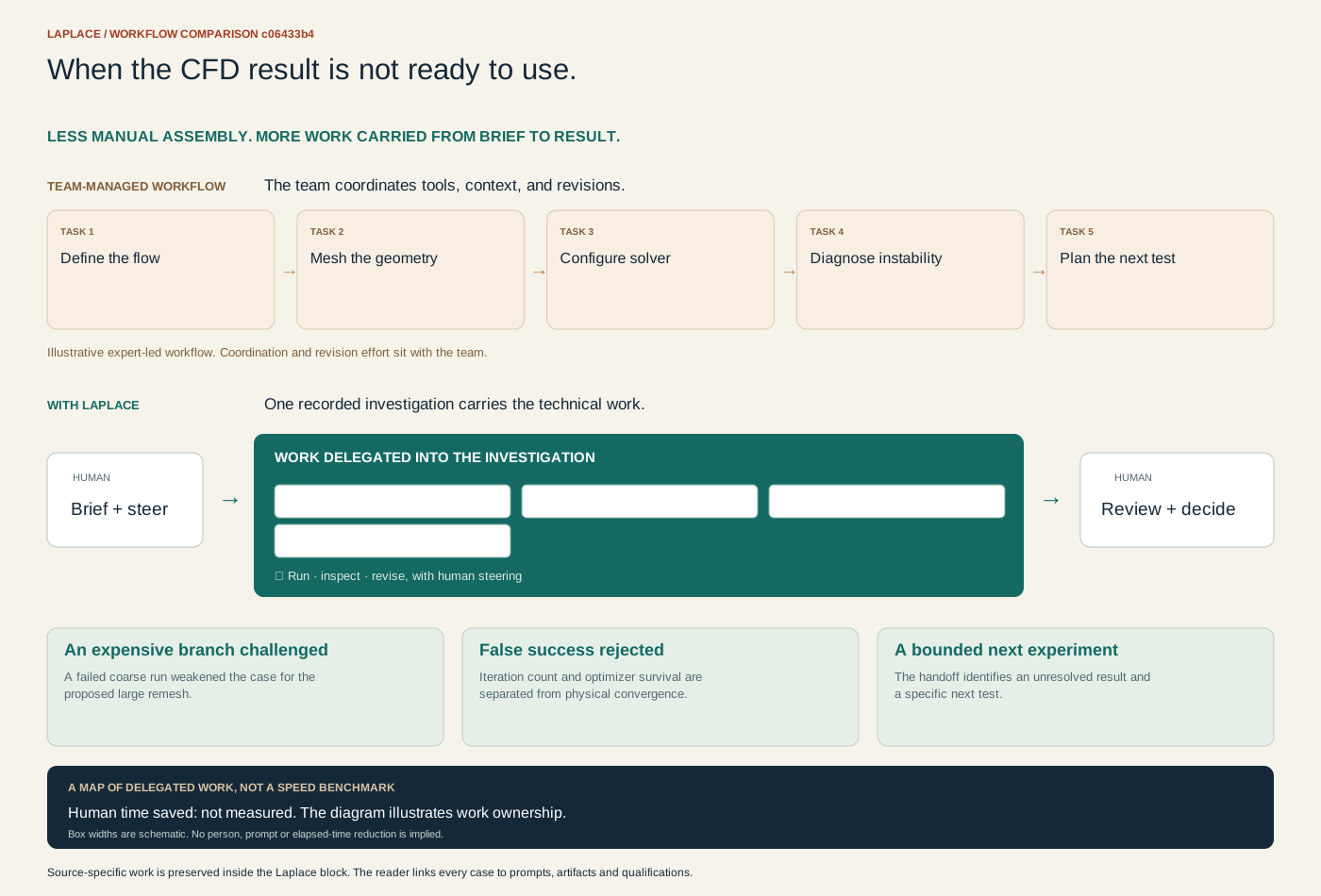
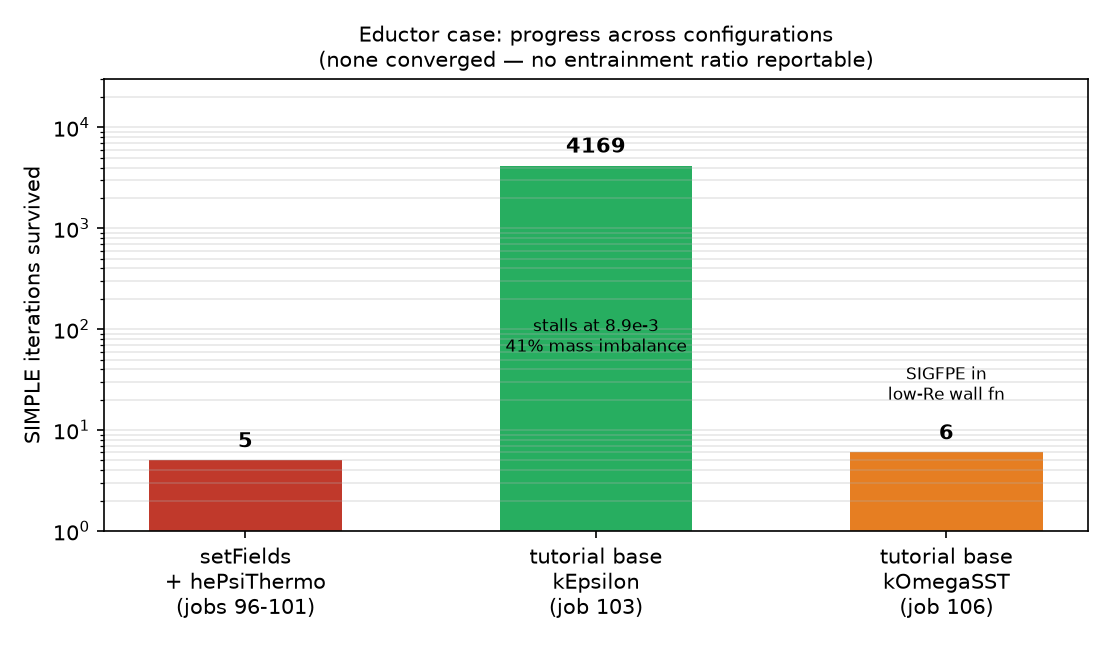
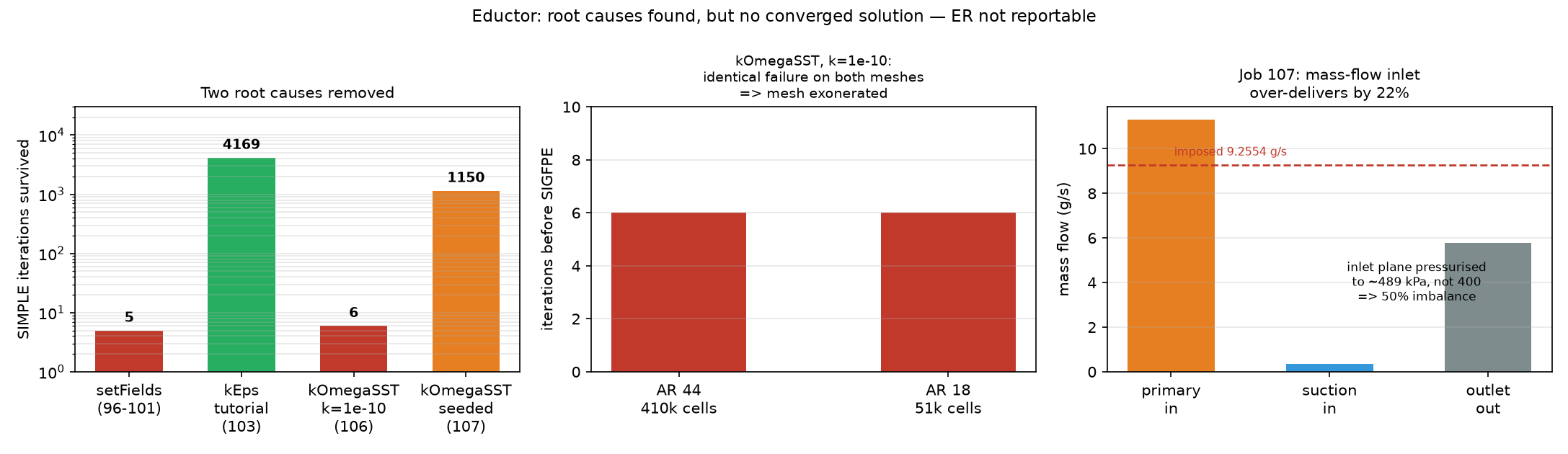
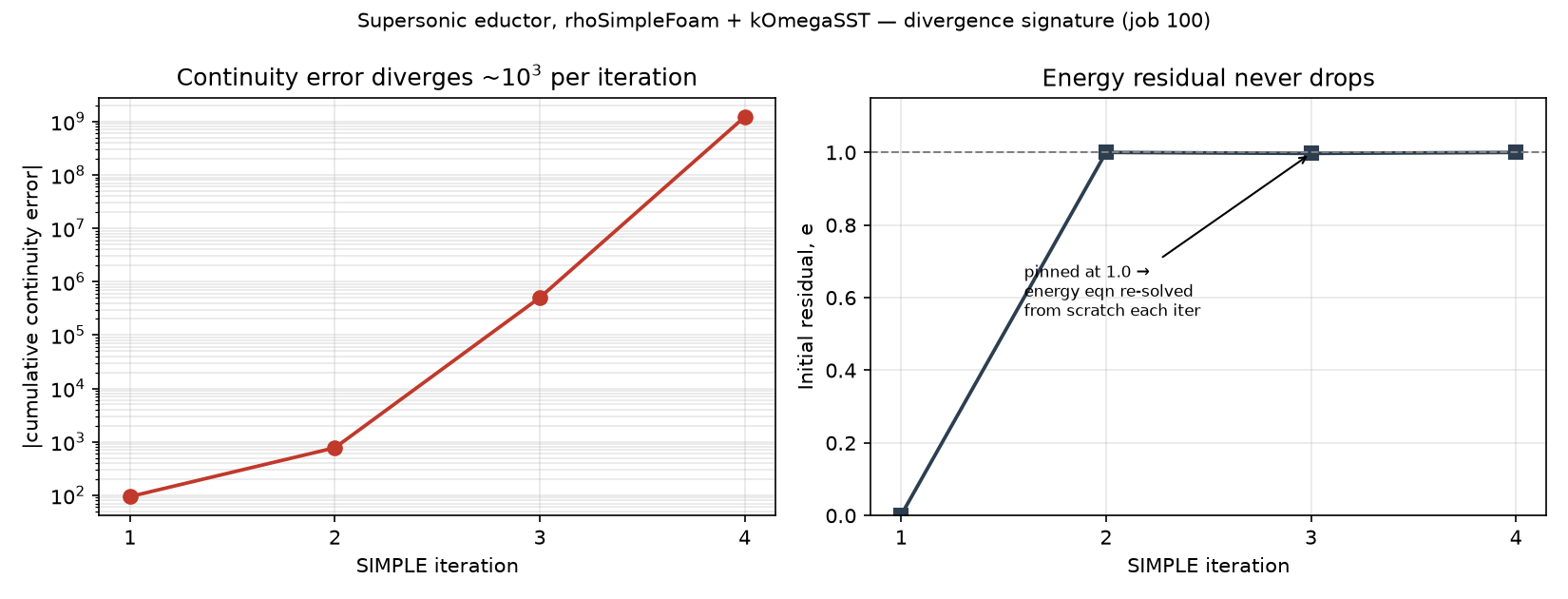
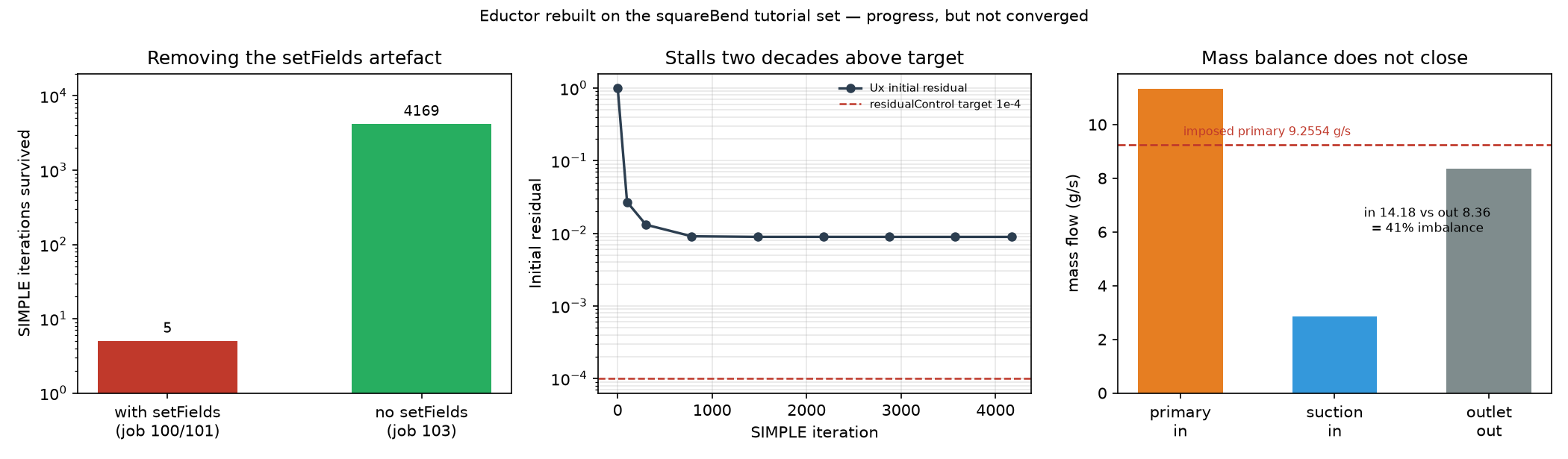
The later run retains substantial mass imbalance and unacceptable residuals, leaving the flow calculation unresolved.
Explore the simulation ↗Original artifacts
Download the original figures, films, data and selected code. These files retain their scientific detail and limitations.